THEATRE
1 Dec 2025
MJ The Musical

Subscribe to CX E-News
Originating on Broadway and still running on the West End, MJ the Musical has arrived in Australia. Currently showing in Melbourne at Her Majesty’s Theatre, the Australian leg of the production began in Sydney and is set to tour to Brisbane and Perth in 2026.
When making a musical about the King of Pop the sound design is its crowning glory. A crucial step to get right when audiences are already familiar with Michael Jackson’s music. British sound designer, Gareth Owen, described the job as “perhaps the most daunting prospect of my professional life.”
Given this, he decided to delve into his “go-to” toolbox: Avid mixing desks, d&b audiotechnik speakers, Shure radio mics and – what Owen describes as the “Swiss Army Knife of pro audio” – the Fourier transform.engine. “I’m unashamedly ‘cut and paste’ when it comes to the tools I use,” he says. “Since I didn’t get sacked, they paid off once again.”
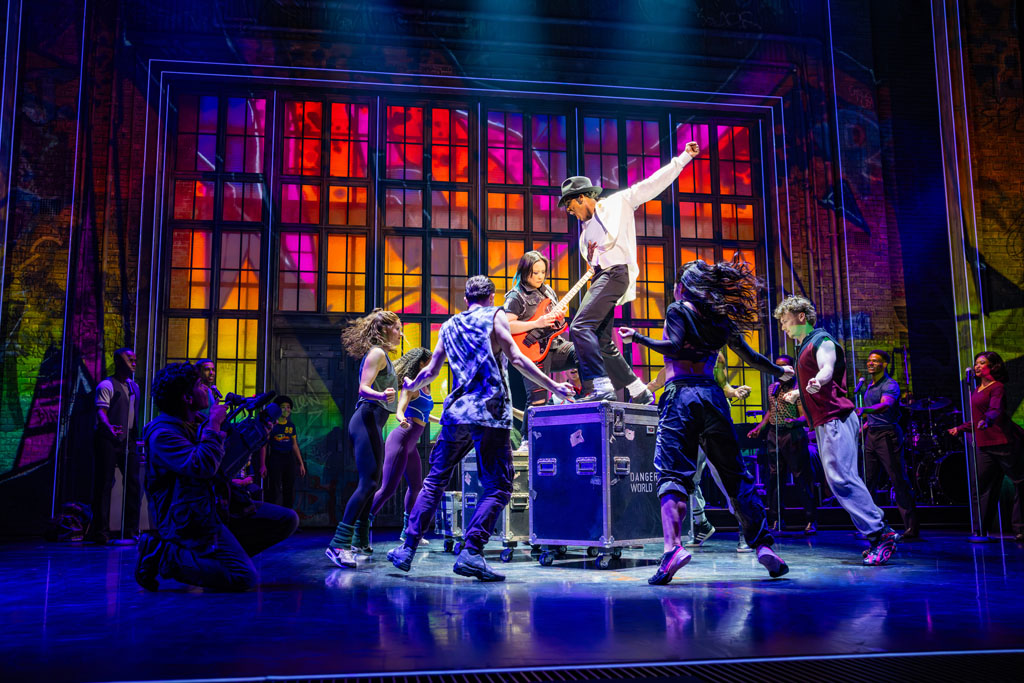
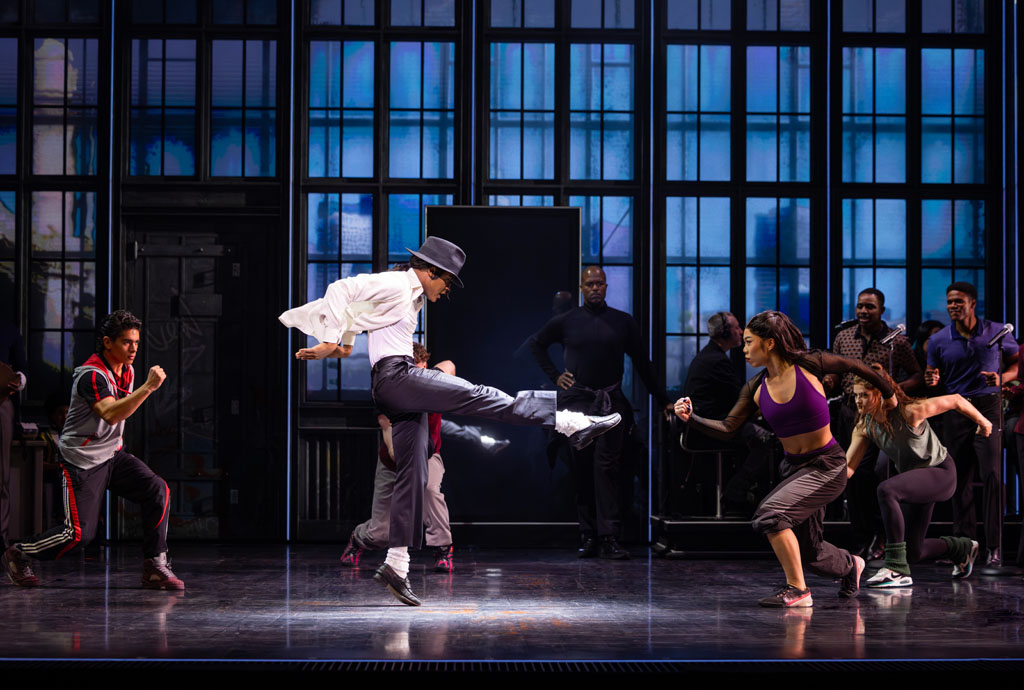
Technical Director of the Australian production, Cameron Flint, certainly agrees Owen’s toolkit paid off. “In well over 30 years in the industry, the sound design is as good as I’ve ever heard on a musical.” The show features a band that is mobile throughout the production, as opposed to positioned in an orchestra pit or on set rostra. The arrangements of MJ’s classics have not been ‘theatre-ised’ to better suit the stage, nor has the cast’s vocal delivery, as is sometimes the case with jukebox musicals. “Even though the show is a musical, it really does feel like a pop concert much of the time,” Flint says.
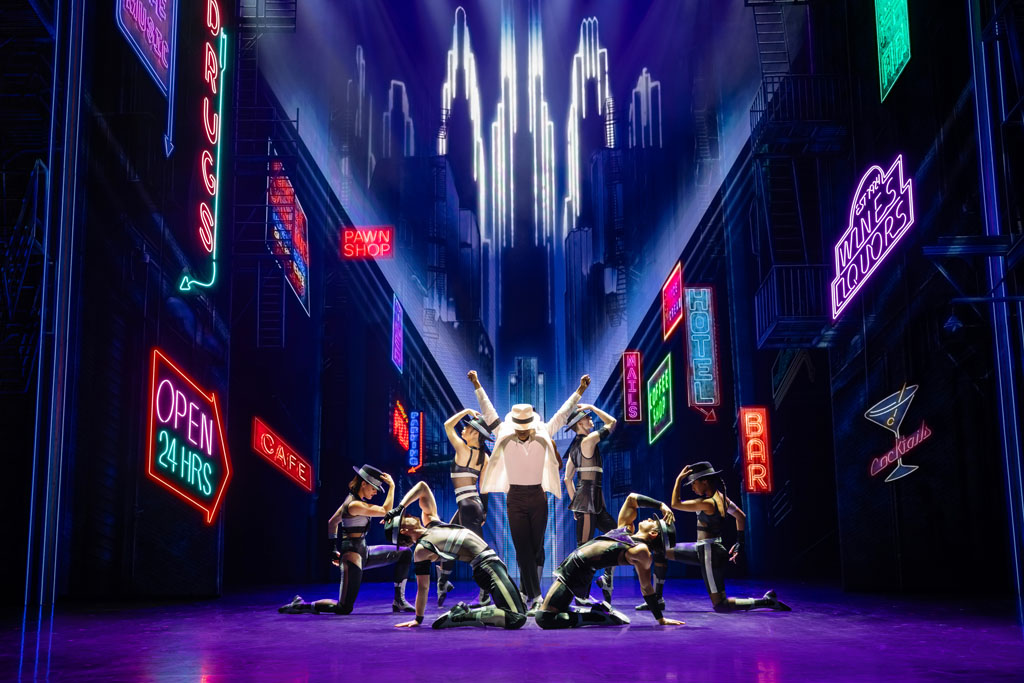
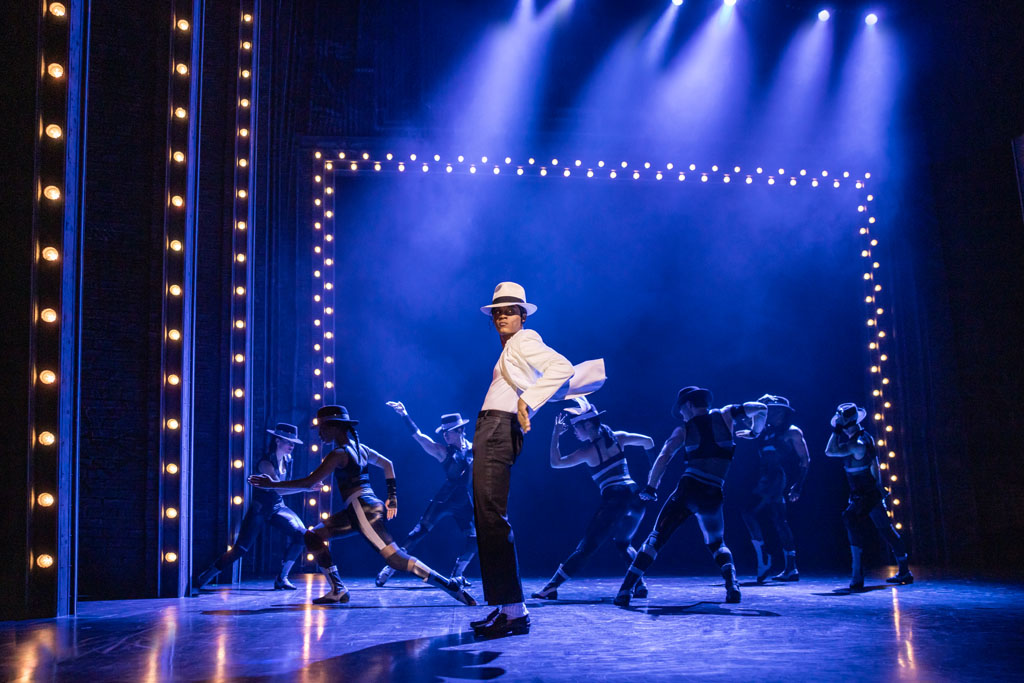
The story follows MJ’s career from his rise to fame in the Jackson 5 in the ‘60s through to his solo superstardom all through the ‘80s. The set is comprised mostly of flying pieces allowing for diverse locations and eras. It’s a testament to the design that the show manages to evoke the feeling of its different time periods given how modern its gear is. The only incandescent lighting fixtures found in the rig are a small number of globes on some set electrics.
Otherwise, the rig of over 100 lighting fixtures is all LED. Onstage and front of house lighting is made up of 89 MAC Viper Performances and 20 MAC Viper Wash DX units. The Vipers manage to achieve the punchy deep orange and dark purples of Natasha Katz’s lighting design, while still emitting enough light to highlight the performers. Upstage the rig also features three runs of GLP impression FR10 bars.
The most spectacular feature of the lighting is approximately 500 metres of City Theatrical QolorFLEX NuNeon RGB, A LED strip inside a silicon extrusion that is designed to evoke the look of traditional neon lighting. Most of the strip is rigged in vertical and horizontal lines on flown prosceniums and set pieces, although it is flexible enough to create curves and lettering. The set electrics installation was so huge it constituted thousands of manhours of work, most of which took place before anything was bumped in to a theatre.
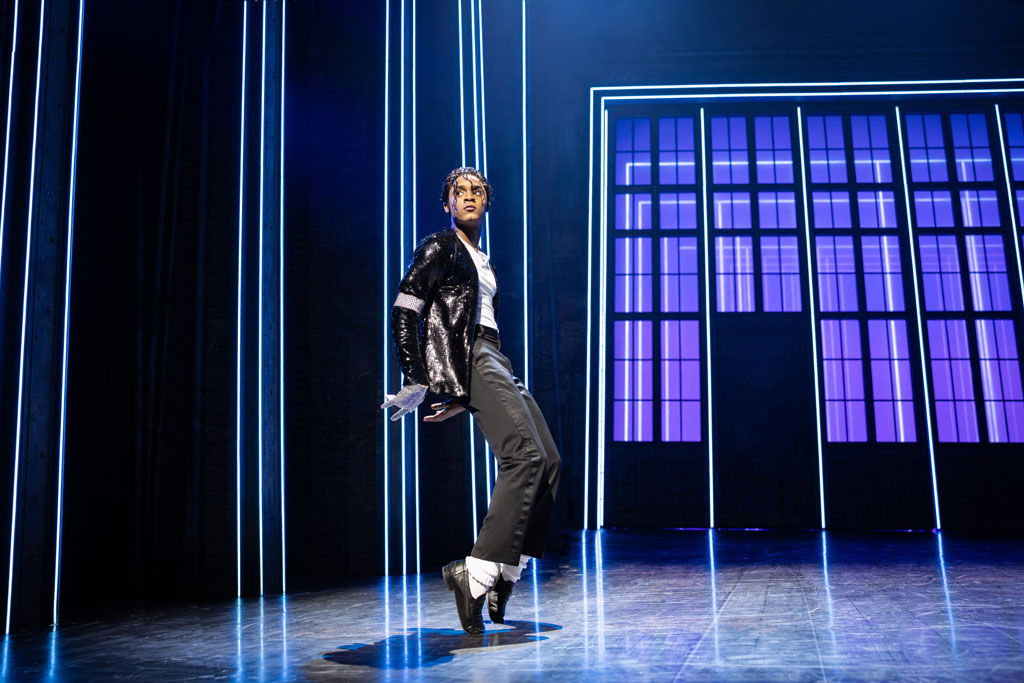
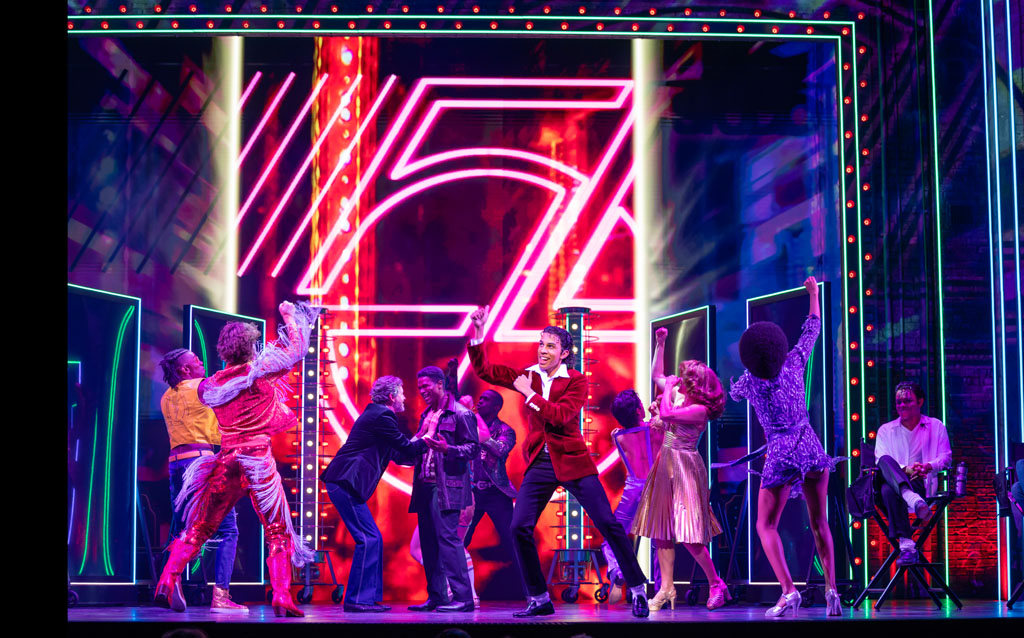
OPTO Projects in Melbourne supplied and installed the majority of the set electrics. The NuNeon came in cut lengths with six LEDs per 100mm. The sectioned pieces of set needed to join together seamlessly, but each part didn’t always neatly add up to 100mm increments.
This meant the OPTO team had to slice the backside of the product, fold the LED over and block it out to create the desired length. “It’s quite challenging because of how fragile the LED strip is and if you bend it over itself, it doesn’t really like it,” said Simon Toomer, Director of OPTO. The team’s hard work paid off in that all parts of the set were eventually able to meet and be lit in one continuous line.
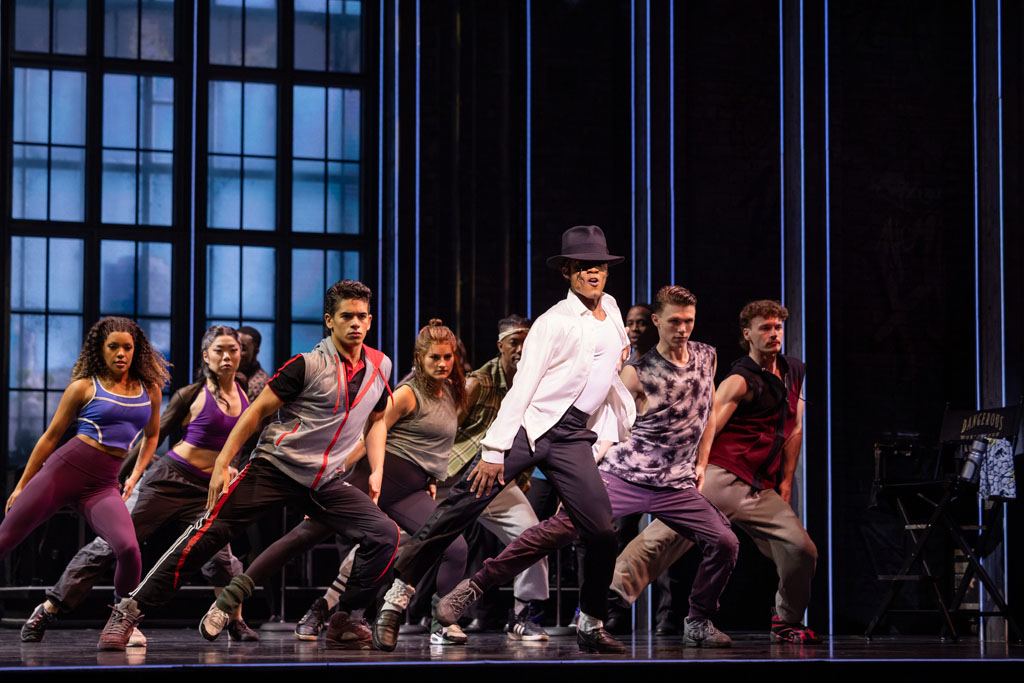
While the NuNeon is spectacular in its brightness and vivid colour, there were particular set pieces that the design team wanted to closer emulate a traditional glass neon look. In order to evoke the ‘70s, the Apollo Theatre and Soul Train signage was created using OPTO’s own LED RGBVW strip encased in clear tubing which was then filled with a light tinted product to emulate the look of formed neon glass.
Joining the OPTO projects team were production electrician Dale Mounsey and the set builders at Form Imagination (based in Ballarat). All the scenery was drawn up in 3D in the most minute detail before fabrication, right down to the smallest nuts and bolts. This allowed for the lighting elements, dimmers, cable pass throughs, and recesses to be created in the virtual space so the team had minimal surprises once it came time for the construction phase. Pre-planning meant that all the control equipment was able to fit within its designated real estate, while allowing custom breaks so scenery could be more readily assembled and disassembled for transport without the need to strip the set LX between each bump-in.
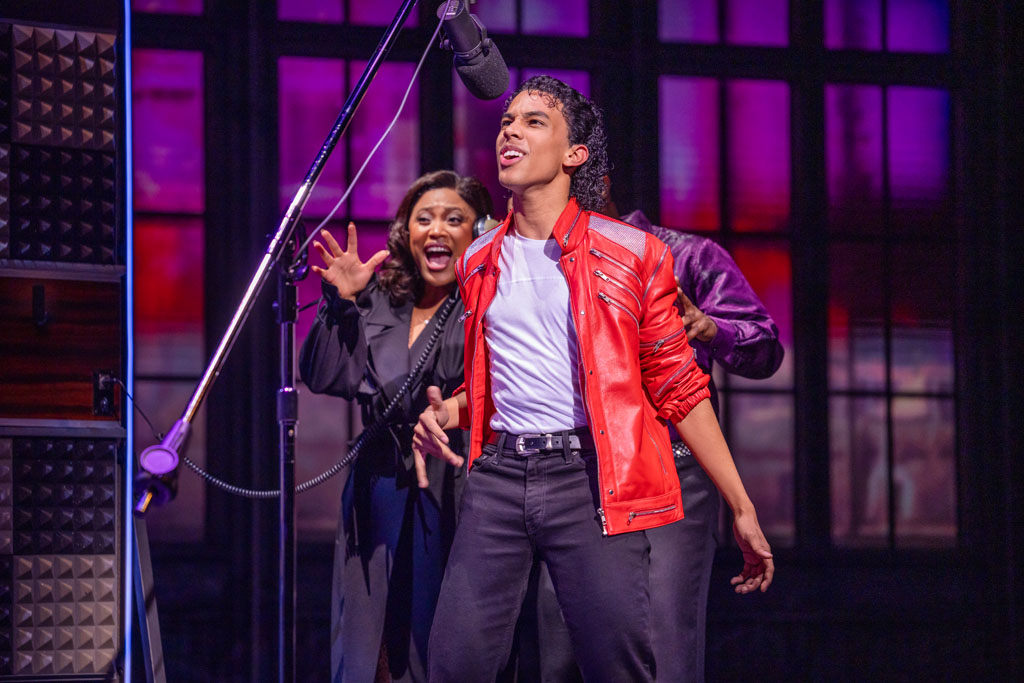
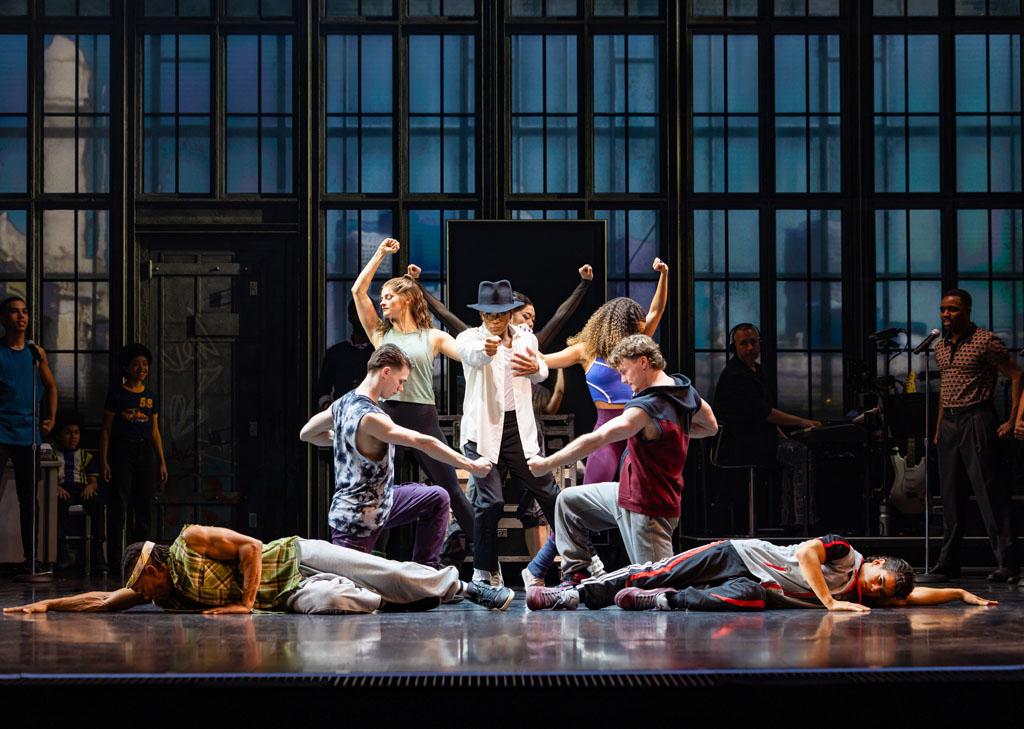
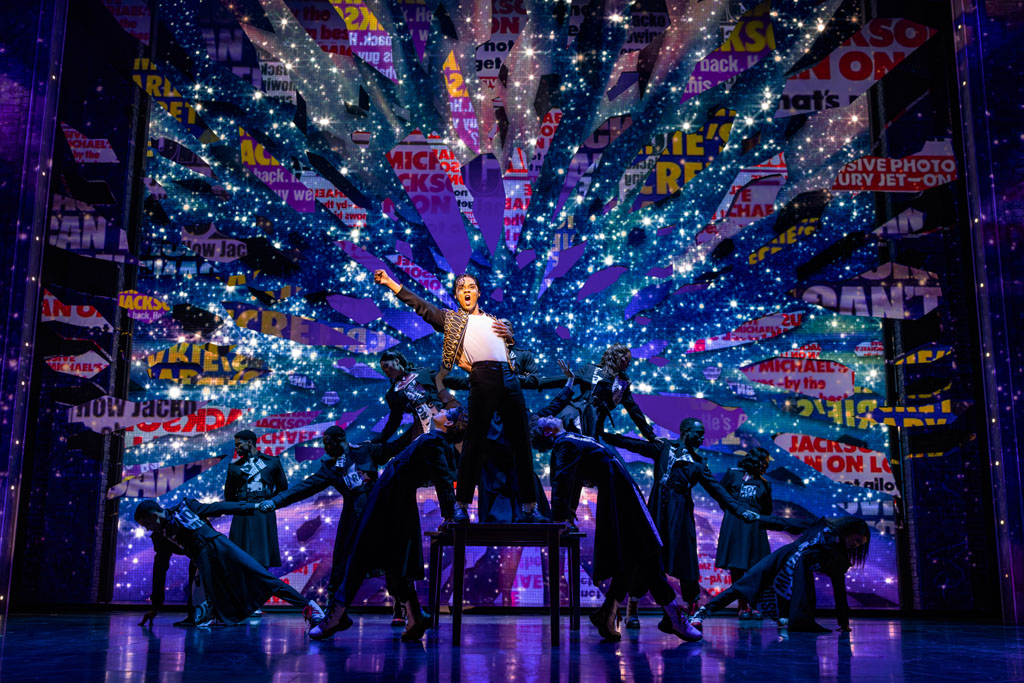
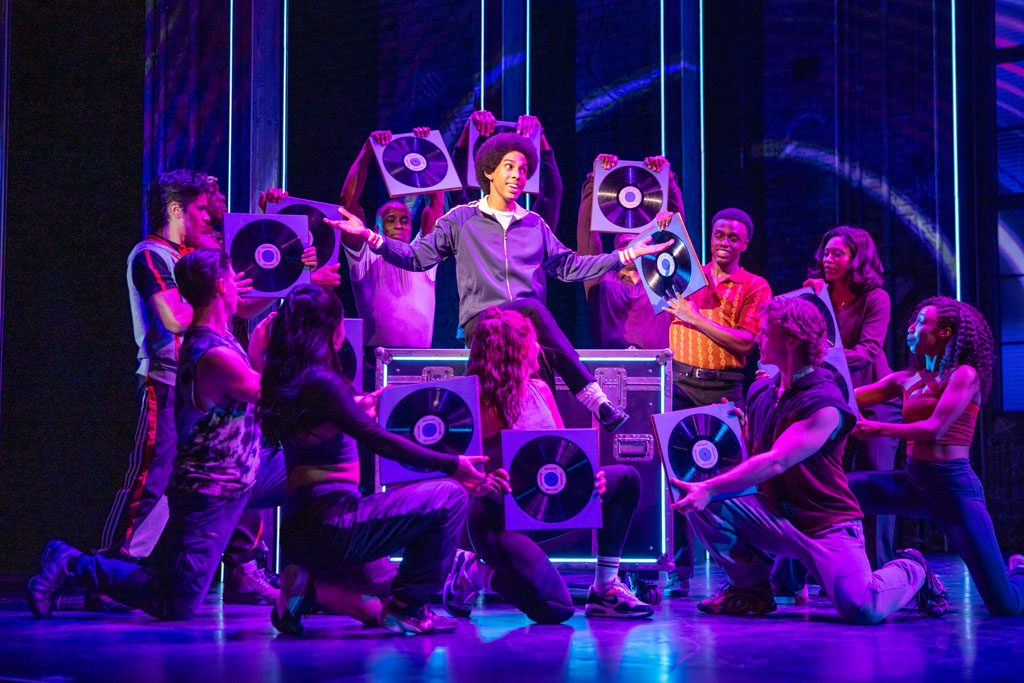
Given the complexity of the job, OPTO were prepared to make adjustments when the set pieces were remounted in Melbourne after the initial Sydney season, but were pleased to find that everything travelled flawlessly. This was no doubt thanks in part to the team’s work ensuring the set electrics were durable. For instance, each incandescent globe was individually dip-coated in Plasti Dip, a multi-purpose flexible rubber coating commonly used in automation to prevent rust. Using a clear version of the product, the team applied several thin, diluted coats until the globes could be dropped and would bounce rather than break.
“We are lucky to have so many excellent technical suppliers in this country, across all departments,” says Cameron Flint. MJ the Musical came together with gear and assistance from JPJ Audio, PRG Lighting, Big Picture, OPTO Projects and Form Imagination. “It is a pleasure to work with them, as well as the MJ crew on the whole.”
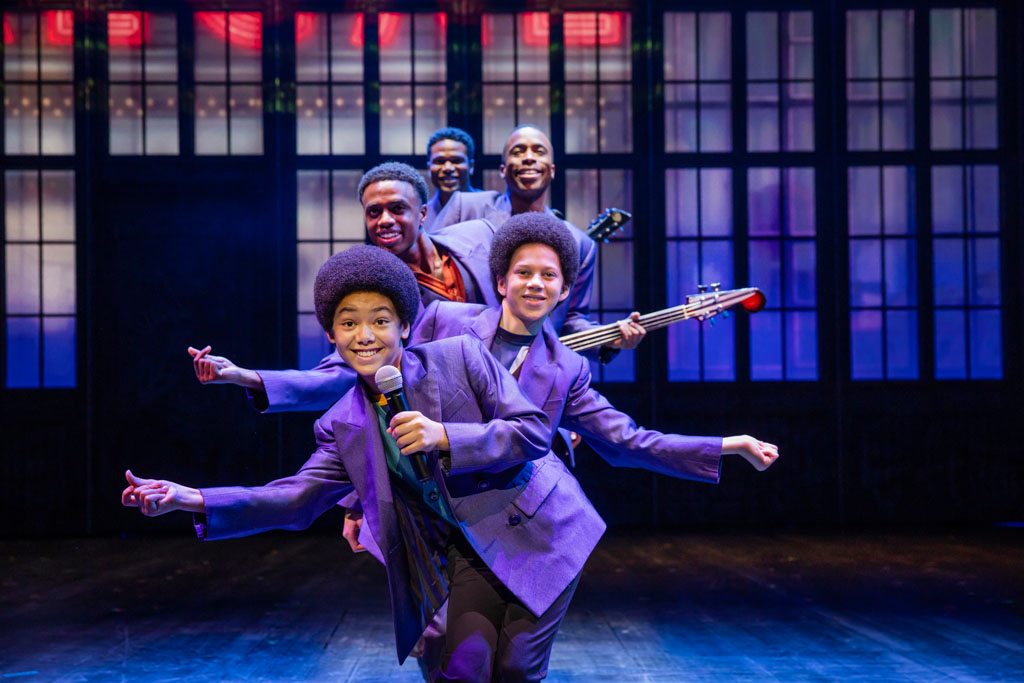
A thread running through the production is a desire of the fictional MJ to “appear from nowhere” at the top of his show. It’s a carrot dangled for the audience throughout the performance. The technical department (understandably) weren’t able to share with me the secrets to this particular bit of stage magic. What I can say is, that as an audience member, it most certainly paid off.
Subscribe
Published monthly since 1991, our famous AV industry magazine is free for download or pay for print. Subscribers also receive CX News, our free weekly email with the latest industry news and jobs.
Recent posts