NEW ZEALAND
2 Oct 2026
Brent Eccles: An Outstanding Contribution
Subscribe to CX E-News
Fifty years of backing Kiwi music and the industry
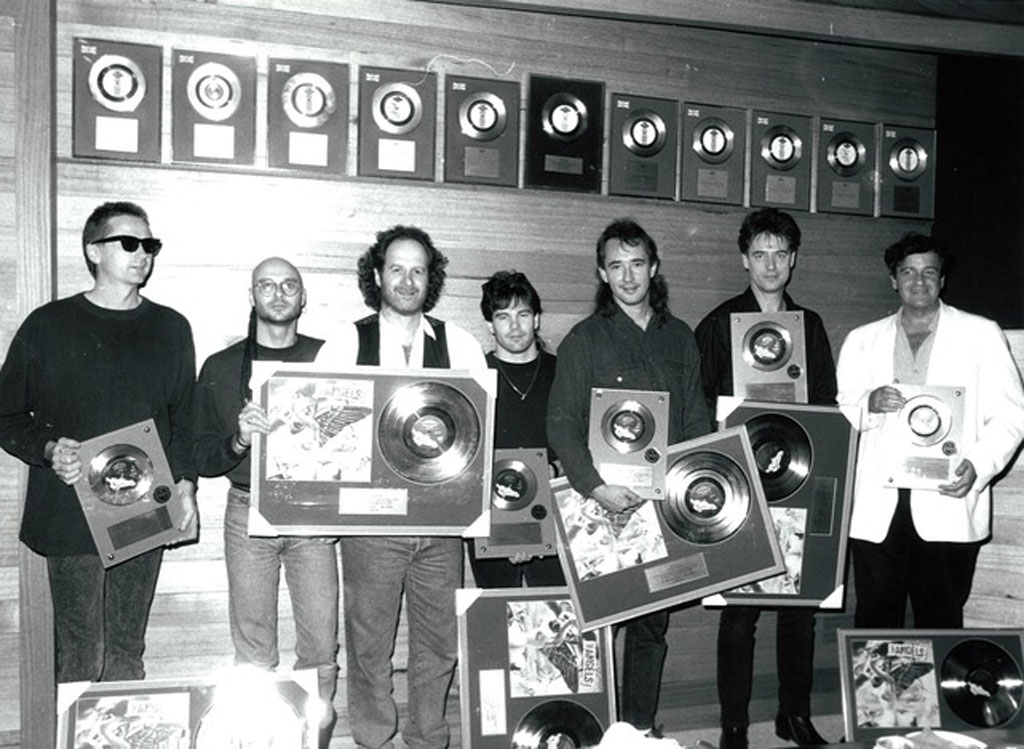
There are not many corners of the Australasian music industry Brent Eccles hasn’t experienced first-hand. He started behind the drum kit in 1970s New Zealand, playing with bands including Space Waltz, Street Talk and Citizen Band, before heading across the Tasman and joining The Angels in 1981. Over the following two decades he moved steadily from musician into management, eventually combining both roles, before returning to New Zealand in 2000.
With his wife and long-time business partner Helen, he established Eccles Entertainment and began the next phase of his career: promoting international tours, representing Frontier Touring in New Zealand and, equally importantly, helping put New Zealand artists onto stages around the country. The company’s first tour, Together in Concert, featuring Tim Finn, Bic Runga and Dave Dobbyn together, sold around 40,000 tickets and provided an early indication that the conventional wisdom around the commercial limitations of touring local Kiwi music wasn’t necessarily right.
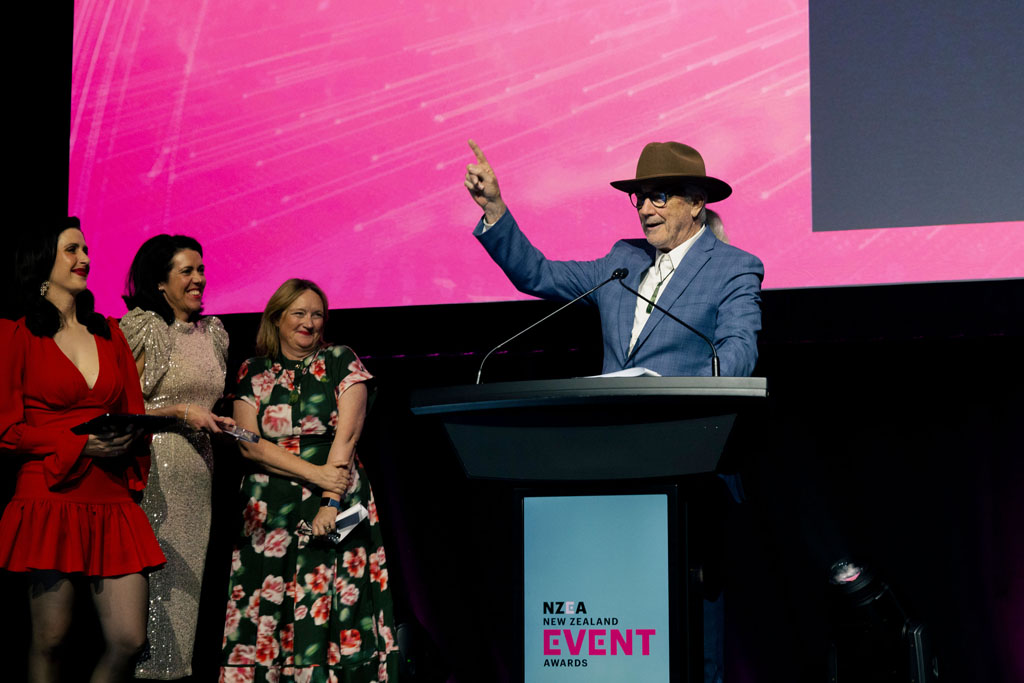
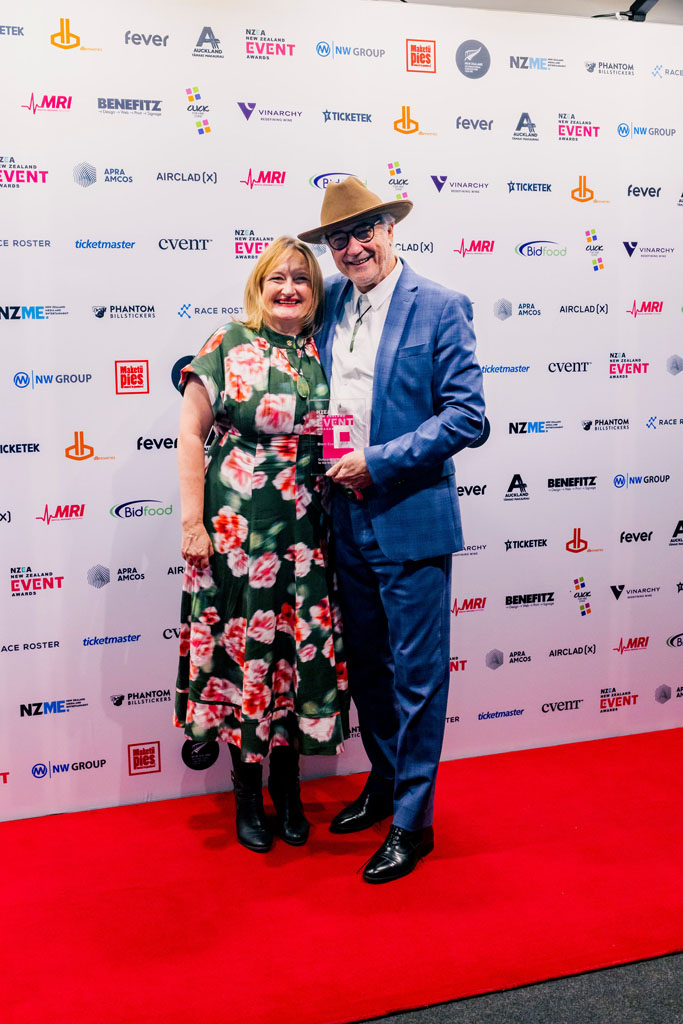
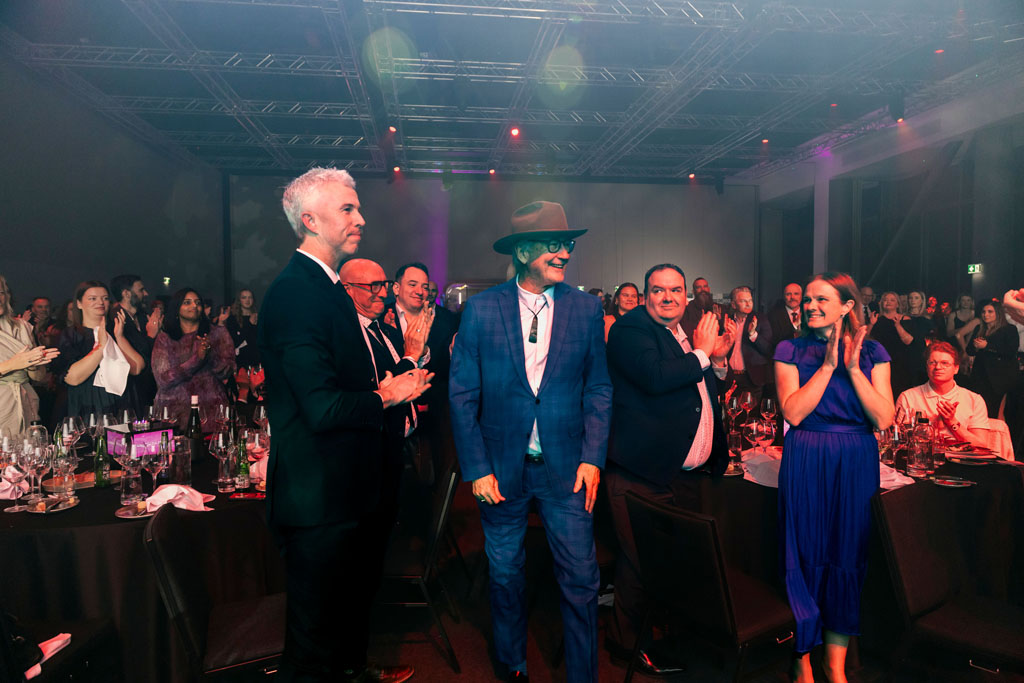
Since then, Eccles has helped bring international artists to New Zealand, continued to champion homegrown acts, played a significant role in the growth of this country’s live touring market and remains one of the most influential figures in New Zealand live entertainment. This year, that contribution was recognised by his peers with an NZEA Outstanding Contribution to the Industry Award.
What did receiving the award mean to you?
I was blindsided by it. I was deeply touched and quite emotional. I’m a pretty proud New Zealander and when your peers give you something that recognises what you’ve done, you think, “Wow. This is a piece of time that’s pretty special.”
You started as a drummer. Was the move into management and promotion accidental, or was there always a plan?
It was always there. I came from quite a commercial family so I was always alert to the business side.
When I got the gig with The Angels in Australia, I realised I was suddenly around some very important people who didn’t know me from a bar of soap. I thought I should get to know these people and understand how this business actually works. I asked to see the recording contract, although they were fairly reluctant to give it to me. I spent about a month reading it until I could explain parts of the deal to other people in the band.
After about ten years, our manager John Woodruff resigned and the band asked me to take over, so I managed and played drums. When I came back to New Zealand in 2000, I thought, now I’m going on to the business side. I’m going to be a promoter.
Everything I’ve done has somehow felt preordained. I’ve always thought, “I’m going to be a professional drummer one day. I’m going to be in a big band. I’m going to manage someone. I’m going to be a promoter. I’m going to sell out Western Springs. I’ve just kind of known.
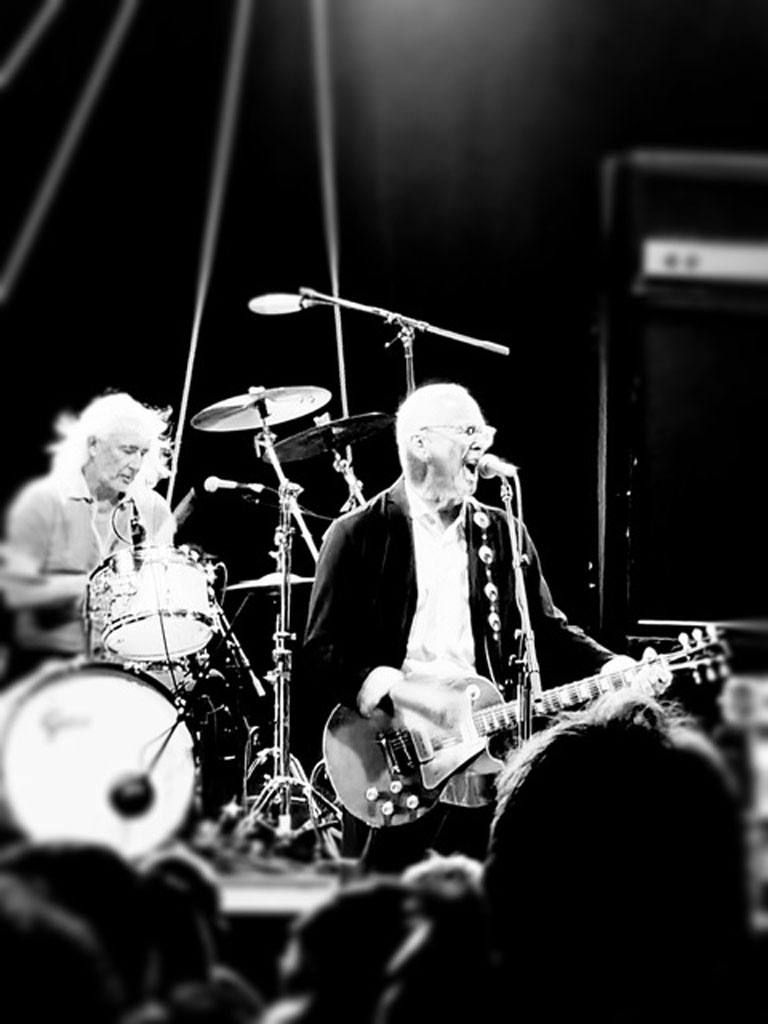
Did being an artist change the way you approached promoting shows later?
Absolutely. When you’re in a band, you’re the person who physically goes and does whatever strategy somebody else has decided on. You’re standing there thinking, “Why are we playing this gig? We should be at the venue up the road. Why is the ticket price that? Why have they done this?”
Now on the other side, some decisions that people might dwell on for hours just make complete sense to me. I can just go, “No, do this. Go that way.”
You’ve spent decades in a very relationship-driven industry. Who has been important to you along the way?
My wife, for one. We’ve been together fifty years now, I think it is. We work together, we’re always together, and Helen has always been very involved on the financial side of things. Beyond that, I’ve got a lot of people across Australia and New Zealand who I’ve known for years and can call on when I need to, and they can call on me. And I’ve got a very loyal staff.
What has changed most dramatically in New Zealand live music during your career?
The scale of the whole business. When I toured New Zealand with The Angels, the big gigs for us were Logan Campbell Centre, Christchurch Town Hall, Auckland Town Hall, Wellington Town Hall. Spark Arena’s opening was a major change.
Suddenly Perth, Adelaide, Sydney, Melbourne, Brisbane and Auckland could all offer roughly the same arena capacity, which made Auckland much easier to include in a touring run.
Then stadium shows really started coming through. Today you can have several major stadium artists in a year. That simply wasn’t happening when I came back.
And I guess I’ve played my part. Through Eccles, we’ve done Western Springs and sold it out, and we did the first concert at Eden Park with a local act Six60 and sold that out.
You’re quite vocal about New Zealand needing to be treated as its own touring market. Why?
Because New Zealand has its own ethos. It is not Australia. We get lumped together as the ANZ market. No offence to Australia, but Australia can have the A. We’ll have the NZ.
If you’re careful about the artists you choose, New Zealand can punch above its weight. Some artists will actually do better here than elsewhere. But you cannot take this market for granted. You need the right ticket price, you need to understand your audience and you need to control your production costs.
What I don’t think works is simply adding Auckland onto an Australian tour on exactly the same terms as Sydney, Melbourne or Brisbane.
We don’t have the same production inventory. If you insist on bringing exactly the same show here, suddenly you’re shipping all this extra equipment across the Tasman and eating into the economics of the show. It is really important that artists coming to New Zealand make financial sense for the promoter, because if the promoter makes money, they’ll come back.
And you’ve got to understand Kiwi punters. They want to see the artist. They’re not necessarily saying, “Where’s the elevator? Where’s the whizz-bang thing?”
Is promoting international artists riskier today?
Yes, I think it is. The sums are much bigger. On major shows you might have touring parties of 75 or 100 people, enormous freight costs and increasingly prescriptive production requirements. The show in Auckland has to look exactly like Brisbane, Manila or wherever else in the world.
And sometimes you’re sitting there going, “Everyone is putting their nuts on the line and nobody’s going to make any money. Why are we doing this?”
Of course we want the artist here. But we need to ask: can we deliver a version designed around New Zealand conditions while still respecting what the artist wants creatively?
Everyone deserves to make money; Frontier, Live Nation, TEG, whoever it is, because these companies employ people and keep the industry moving. If a major show sells out an arena and still doesn’t make any money, what’s the point?
How involved do you get in the technical production itself?
I don’t know enough about operating lighting desks or sound consoles, and I wouldn’t pretend that I do. What interests me is the show business part of a show. The bit with fizz. Those big sweeping ideas interest me.
On something like Once in a Lifetime at One NZ Stadium, the production was enormous. My job wasn’t telling technical people how to do their jobs. It was supporting very good people doing an incredibly complicated event and saying, “It’s okay. You’ve got this.”
They’d say, “We don’t have enough time.” I’d say, “Yes, you do. You’ll be fine.”
And look what happened. It was incredible.
What do you tell younger people coming into the industry?
You’ve got to be a lifer. This isn’t really a business where you come in for five minutes. There are very good times and very bad times and you need to be able to take both.
I encourage people to cut their teeth here, but at some point, overseas experience is incredibly valuable. That applies whether you’re a monitor engineer, a truck driver, a stagehand, a rigger, an agent or a promoter. Lots of New Zealanders have gone overseas and done incredibly well.
After fifty-plus years, what still gives you that feeling of: this is why I’m doing it?
A great show. Recently Supergroove played with King Kapisi, Rubi Du and Troy Kingi. It was properly integrated, everyone working together, real show business, and they sold out two Auckland Town Halls.
Once in a Lifetime was another one. Duco and Eccles are very different companies and we certainly didn’t understand each other all the time. There were some interesting discussions, all in good faith, even if not necessarily all in good humour!
But I watched almost the whole show and thought, “Wow. A new venue. An all-Kiwi line-up. This is incredible.”
Career highlights?
So many. As an artist I’ve had nights with The Angels where the band and audience just became one and you thought things could never get better than this.
As a promoter, though, Together in Concert, my first tour back in New Zealand still stands out. Nobody had much faith in New Zealand artists and we sold out four shows at The Civic. What a calling card.
And the thrill of announcing Fat Freddy’s Drop “Based on a True Story” shows and watching them sell out so fast. When you sell out Christchurch Town Hall three times and your last show is a Monday, you know you are onto something. I just love working with the Freddys.
Is there anything you still want to achieve?
I’d like to do more with New Zealand’s theatres. You look around the country and there are beautiful venues that could be carrying far more contemporary music. I love the theatres of New Zealand. That’s probably where I’m happiest.
I helped get Eden Park going as a concert venue and I’m proud of that, but Western Springs sits very deep in my soul. That’s where I saw Creedence Clearwater Revival, the Stones, Led Zeppelin, and Joe Cocker. There is something about that place you cannot get anywhere else. It’s unique. Thousands of people, general admission, outdoors, right in the city.
So now I’m excited about advising Auckland Stadiums and Auckland Council on how we can make it work better for promoters and artists. It has so much to offer audiences, and younger artists too, as a stepping stone towards those really big outdoor shows. That’s my current project.
Subscribe
Published monthly since 1991, our famous AV industry magazine is free for download or pay for print. Subscribers also receive CX News, our free weekly email with the latest industry news and jobs.
Recent posts