AUDIO
20 Apr 2026
Ordio’s Dynaudio Audio
Subscribe to CX E-News
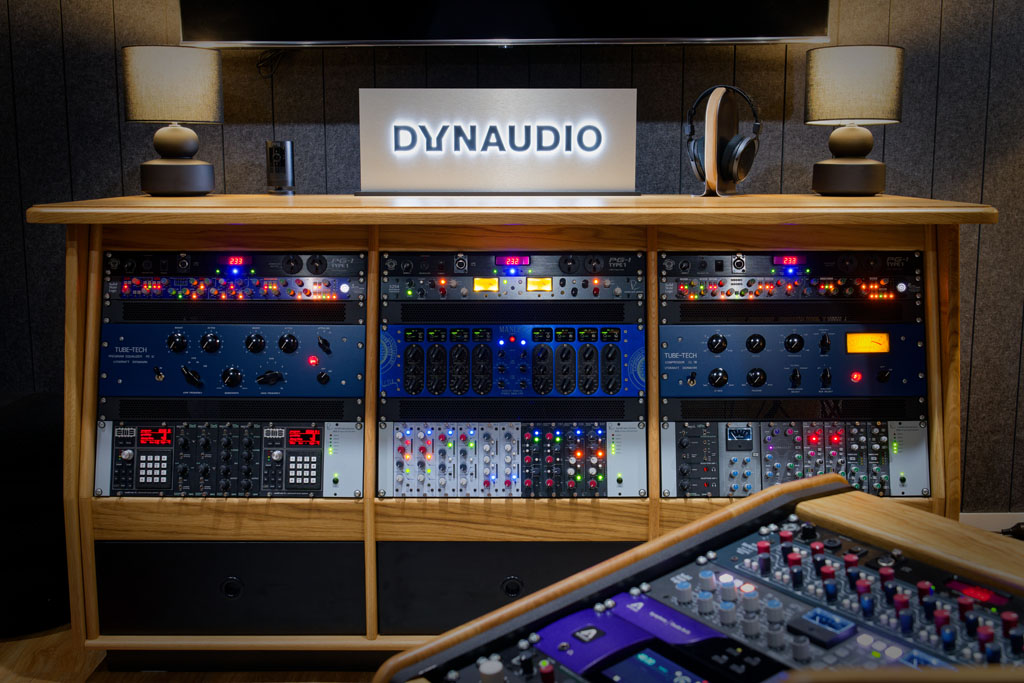
Sydney’s Ordio Productions are not doing things by halves. A specialist provider of professional audio and acoustic solutions for studio and broadcast environments with deep experience in custom cabling and acoustic treatment, their purpose‑built Taren Point studios allow professionals to hear complete solutions in real working spaces before making purchasing decisions. They recently refitted three of their studios with Dynaudio monitoring, creating a showcase for the Danish brand, and there’s a new Dolby Atmos space still to come…
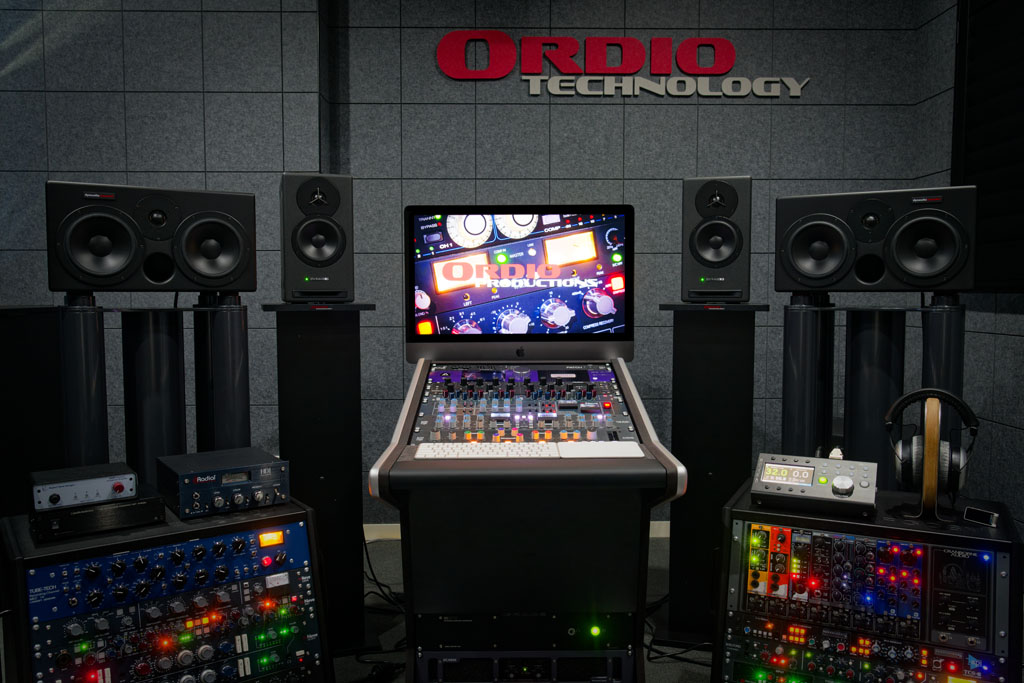
Their Studio 1 is running Dynaudio M‑Series M2 MkII passive three‑way monitors run on a Dynaudio Delta 40 digital power amp with DSP, augmented by a Dynaudio 15” passive sub powered by Dynaudio Delta 20 digital non‑DSP power amp. There’s also a pair of powered Dynaudio Core 7s and a Dynaudio Core Sub.
Studio 2 has a massive pair of Dynaudio M‑Series C3 MkII passive three‑way monitors powered by a Dynaudio Delta 80 digital power amp with DSP.
Studio 3 boasts Dynaudio M‑Series M1 MkII passive two‑way monitors powered by a Dynaudio Class A/B power amp. They are joined by powered Dynaudio Core 5s and a Dynaudio Core Sub.
In the very near future, Ordio will open their Dolby Atmos room, all powered by Dynaudio, and will include the formidable Dynaudio M3 MkII as left, centre, and right, flanked by passive models in the surrounds, and an 18” Dynaudio sub.
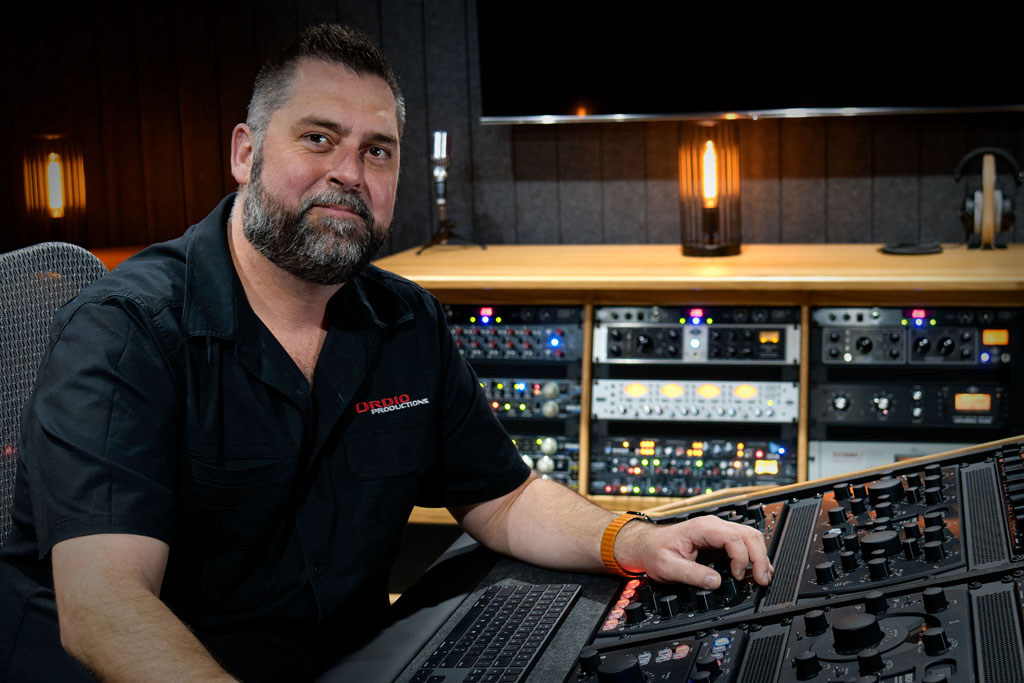
We sat down with owner Ben Wever to talk about the move to Dynaudio, the philosophy behind the working studios as showrooms, and the partnership he’s developed with Australian Dynaudio distributor Amber Technology.
“We wanted to do something unique and boutique, putting the integrity back into our brands, and building a space where people can truly appreciate them,” declares Ben. “It gives us the opportunity to pitch a brand in its native environment; I’d rather see a giraffe in Africa than in Taronga Zoo!”
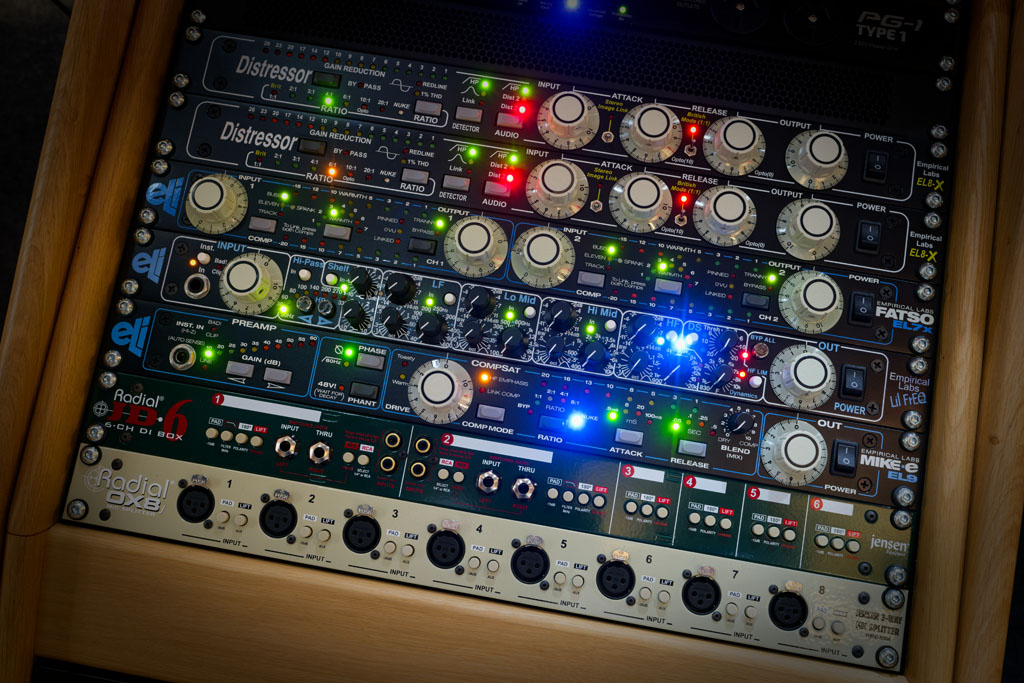
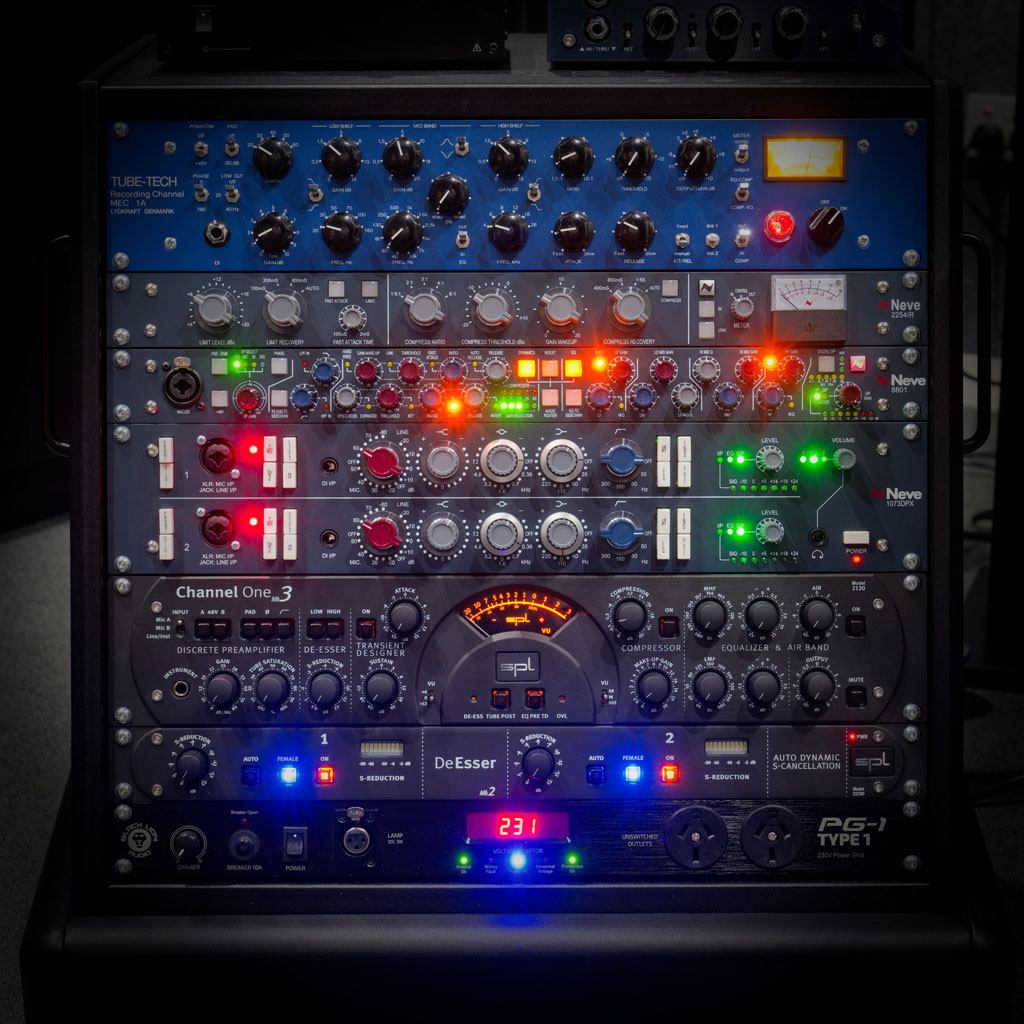
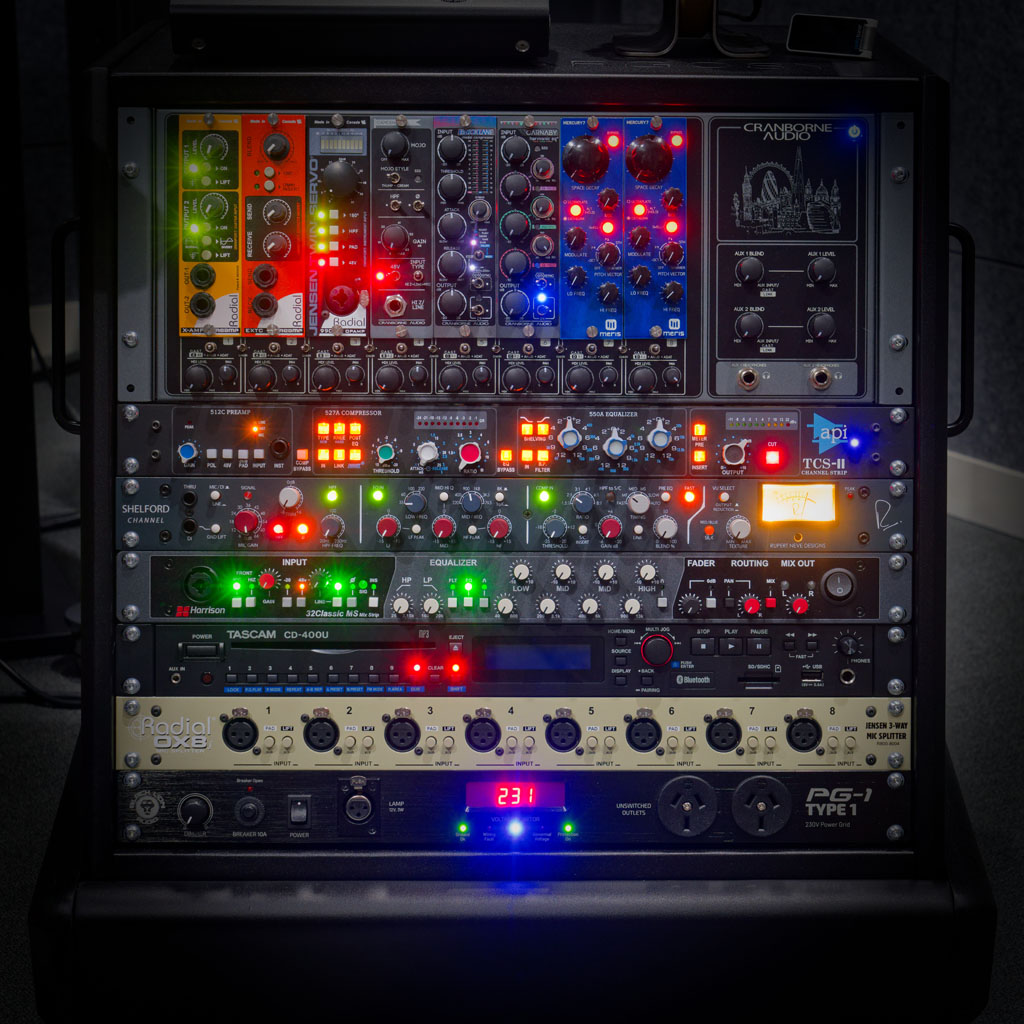
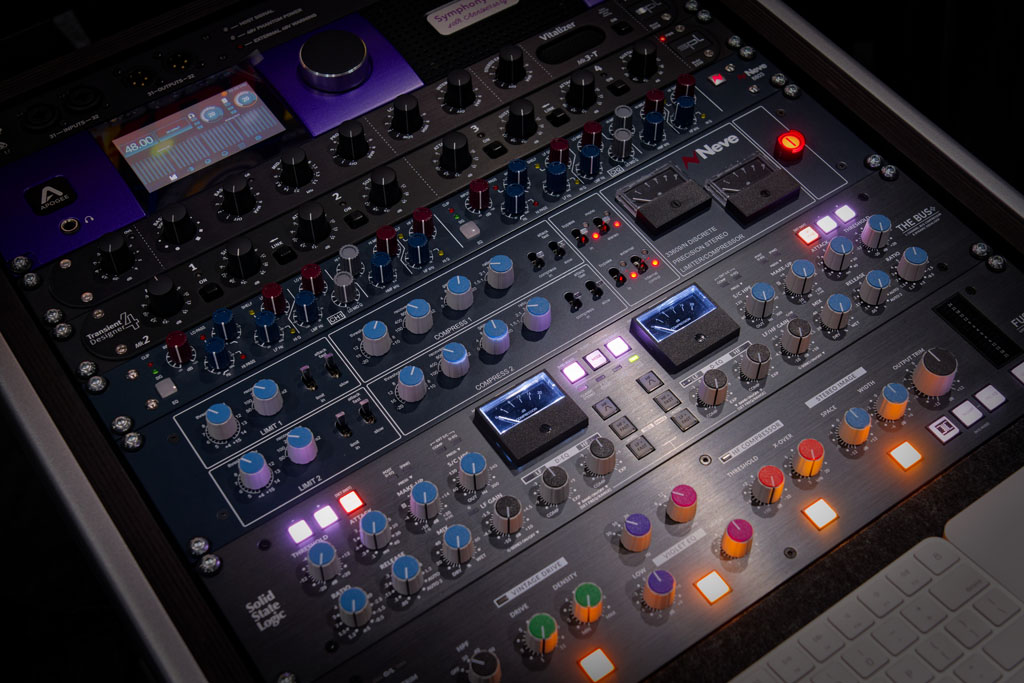
With industry‑standard outboard, high‑end mixers, top quality microphones and excellent acoustic treatments, all of Ordio’s functioning recording and mixing spaces now benefit from Dynaudio monitoring.
“It’s not just the M Series MkII, we also have the BM series, LYD series, and Core series across the rooms for comparison,” explains Ben. “In Studio 1, for example, we have the M2 MkII flagship monitors. They’re small enough for a monitor bridge but powerful enough to fill a seven‑by‑five-metre room. We’ve paired them with a 15‑inch sub, along with Core 7s and a Core sub to create a night‑and‑day comparison. We can show you the Core 7, an active DSP box that punches above its weight, and if you’re happy with that, great. But once you step into M2 MkII, something special happens; when it comes to stereo imaging, finesse, fidelity, accuracy, and technical brilliance, these monitors deliver.”
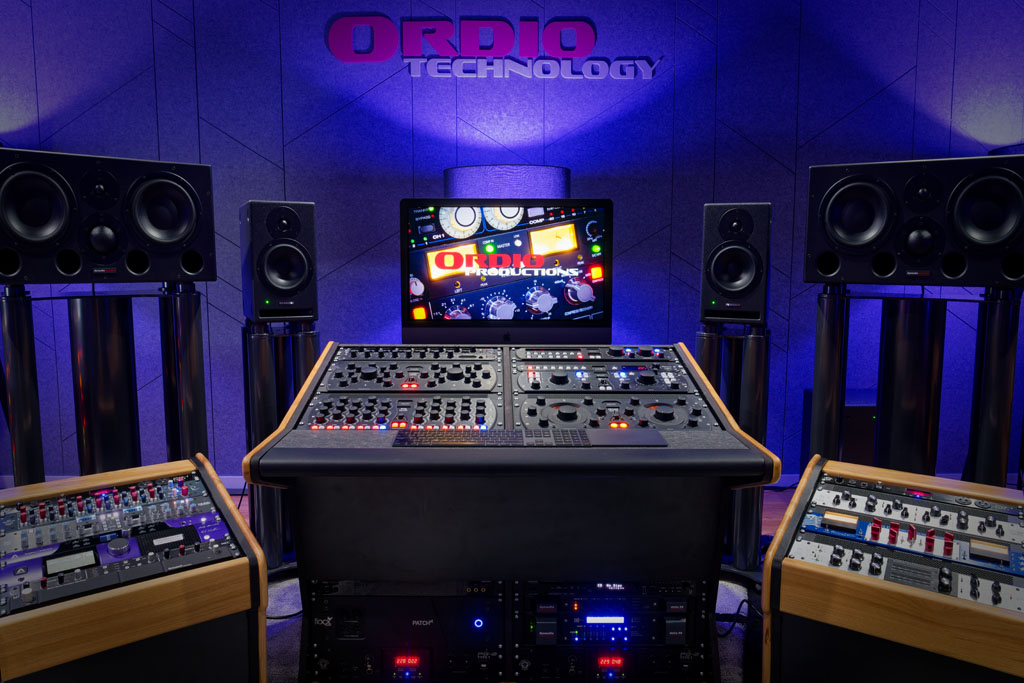
“Out of the box, the M Series M2 MkIIs are accurate, flat, and responsive,” continues Ben. “We were concerned initially about using passive boxes in 2026, but it makes sense. There’s more room in the cabinet without internal amplification and heat. The porting is right, the depth is substantial, and nothing feels stressed.”
The smaller M1 MkIIs are in Studio 3. “They’re a two‑way design with no DSP control; the crossovers are in the box,” outlines Ben. “Studio 3 is our podcast, vocal chain, and entry‑level room. It’s designed for editing, light post, and testing gear like channel strips, microphones, and headphone amps. It’s aimed at the prosumer market. In that room, we’ve also got the Core 5 and Core Sub to provide a clear comparison between prosumer and M Series. The M1s immediately show their pedigree, especially in the tweeters. There’s zero fatigue, and the new driver design is incredibly strong. They’re ideal for broadcast and smaller post environments, especially speech‑focused work. In smaller suites, like those in Surry Hills or St Leonards, they’re easy to install on a monitor bridge or fly‑mount.
They go low, but not in an exaggerated way. They’re about accuracy, not hyped low‑end. At lower volumes, they still produce a strong soundstage. They’re versatile and serve a clear purpose within the M MkII Series lineup.”
Running the passive M Series monitors are amplifiers from Dynaudio’s Delta range. “The Delta amplifiers are large, digital, and don’t overheat,” states Ben. “The DSP is incredible, and we’re still learning how to fine‑tune the system. Every day we discover something new about how accurate they are. We like to understand the limits of how far you can push a system. With 1000 Watts driving them, these speakers can run all night, but you’d tap out before they do.”
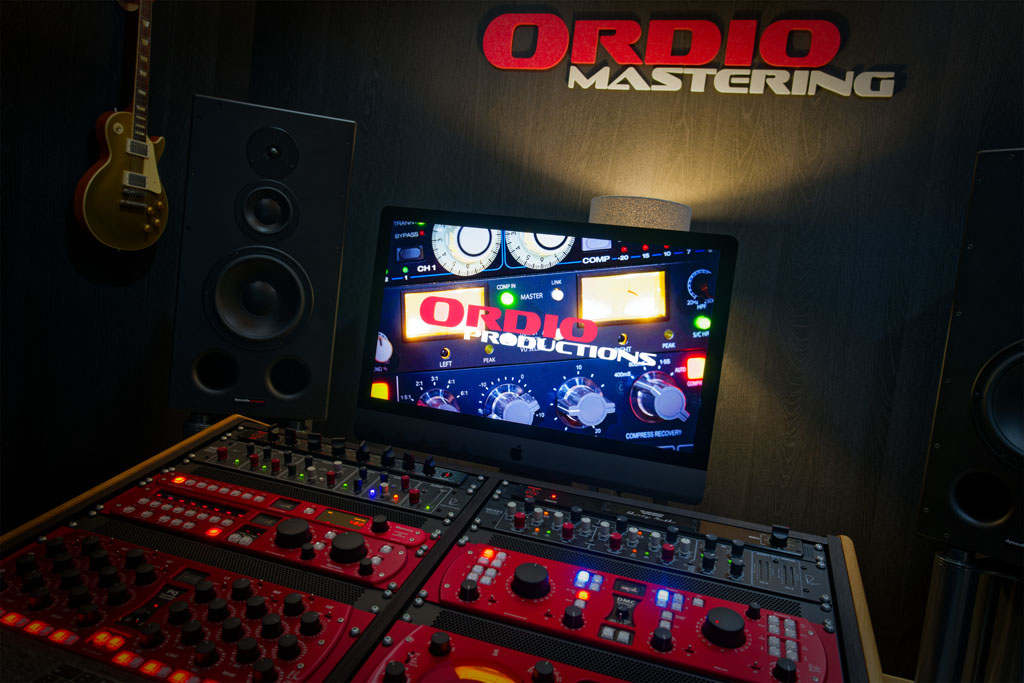
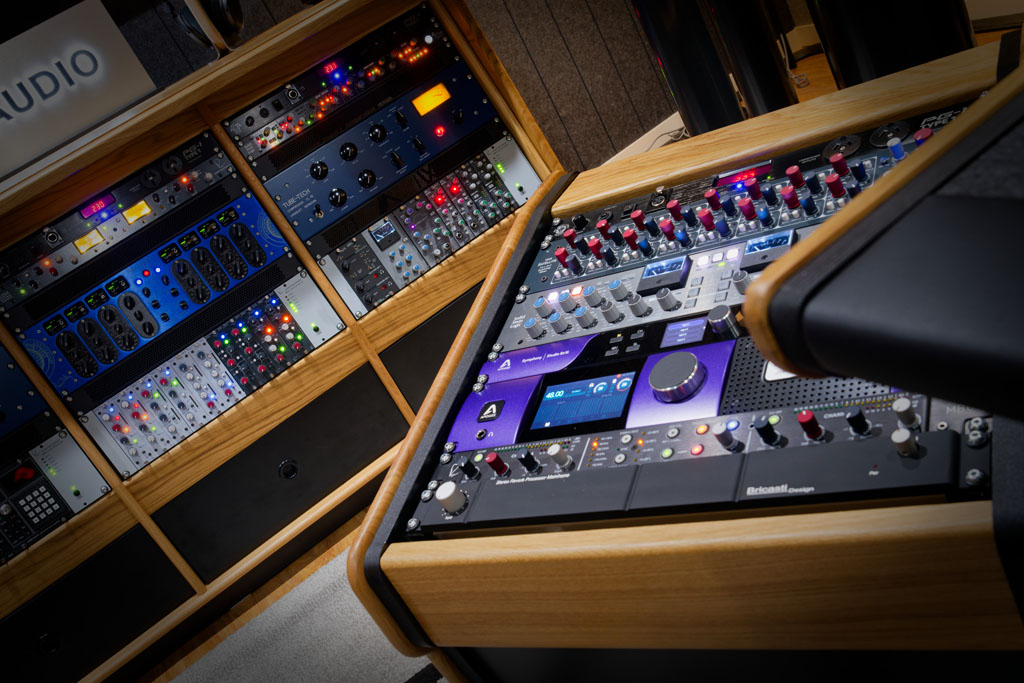
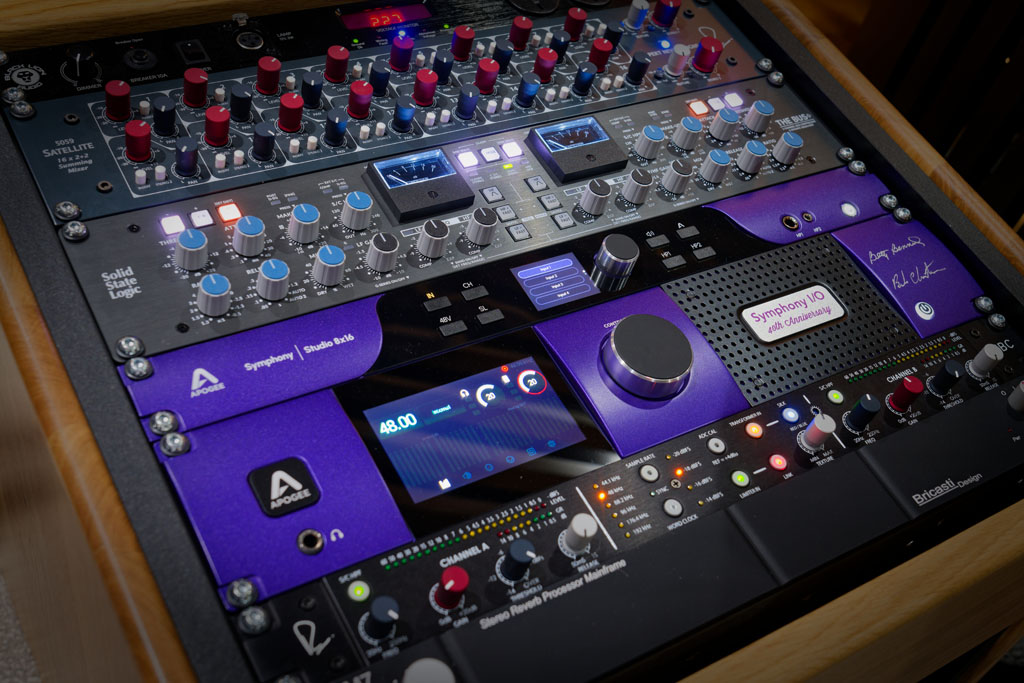
With such a massive investment and huge opportunity to get working engineers in front of Dynaudio, distributor Amber Technology are providing Ordio with their full support. “Working with Amber has been a 20‑year journey for me, and I can’t speak highly enough of them lately,” professes Ben. “Over the last five years especially, their team has brought in sharp people who are genuinely passionate about the industry. I’ve met too many sales reps who show up with a station wagon and a price list, then disappear, offering no support. Amber is focused on pro audio, and is doing what others aren’t, which is taking care of their customers properly.”
With a strong background in room acoustics, Ordio can ensure your new monitors are going into a space that is perfectly treated for them. “Ordio has been appointed the Australian and New Zealand distributor of a German‑made range of acoustic products called bluefiber,” reports Ben. “We’re now going across the country looking for solid, qualified installers and solutions providers to grow our sales network. We’re building the bluefiber acoustic showroom, which will also be the new Dolby Atmos space, filled with Dynaudio. It’ll be a place to learn, educate, play, demo, and quote from.”
With Dolby Atmos now a must for both Apple Music and Netflix, it’s inevitable that all studio and post professionals need to upgrade, if they haven’t already. Ordio will soon have the space for them to start their journey. “We’re going to need serious renovations,” admits Ben. “We’ve appointed the same builder who constructed the other rooms. He’s a fantastic local carpenter and designer.
We’ve finalised quotes for air conditioning, electrical, three‑phase distribution, and all materials required for Dolby Atmos certification, including zero‑vibration building standards. We are ready to go!”
The Atmos room will also carry equipment from other Amber brands, aligning with Dynaudio. “When the Atmos room goes live, it will become a major selling point,” notes Ben. “We’ll be able to run training nights, seminars, and professional mixing sessions. We can offer hands‑on training, full support, and direct sales or remote support as needed. The Atmos room will be a feature in itself, but it will also bring people into the other spaces.”
Ultimately, Ben sees the Dynaudio range as supporting the Ordio business model. “Rolling out the M MkII Series across the rooms allows each space to showcase something unique,” concludes Ben. “On a commercial level, it’s an opportunity. On a personal level, I know who I’ll be working with in 10 years, not just 10 months. Amber Technology has backed these spaces just as much as we have.”
Subscribe
Published monthly since 1991, our famous AV industry magazine is free for download or pay for print. Subscribers also receive CX News, our free weekly email with the latest industry news and jobs.
Recent posts