LIVE
16 Nov 2026
The Trouble with Lighting Leo
Subscribe to CX E-News
“Leo, king of the jungle, has bad breath but no one can find a way to tell him.”
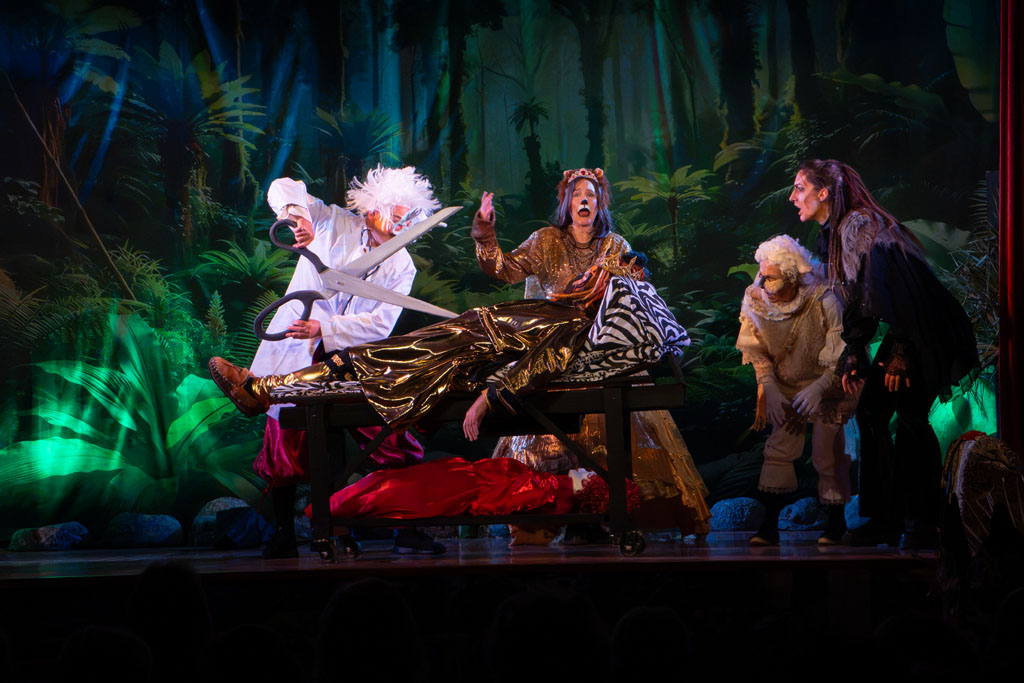
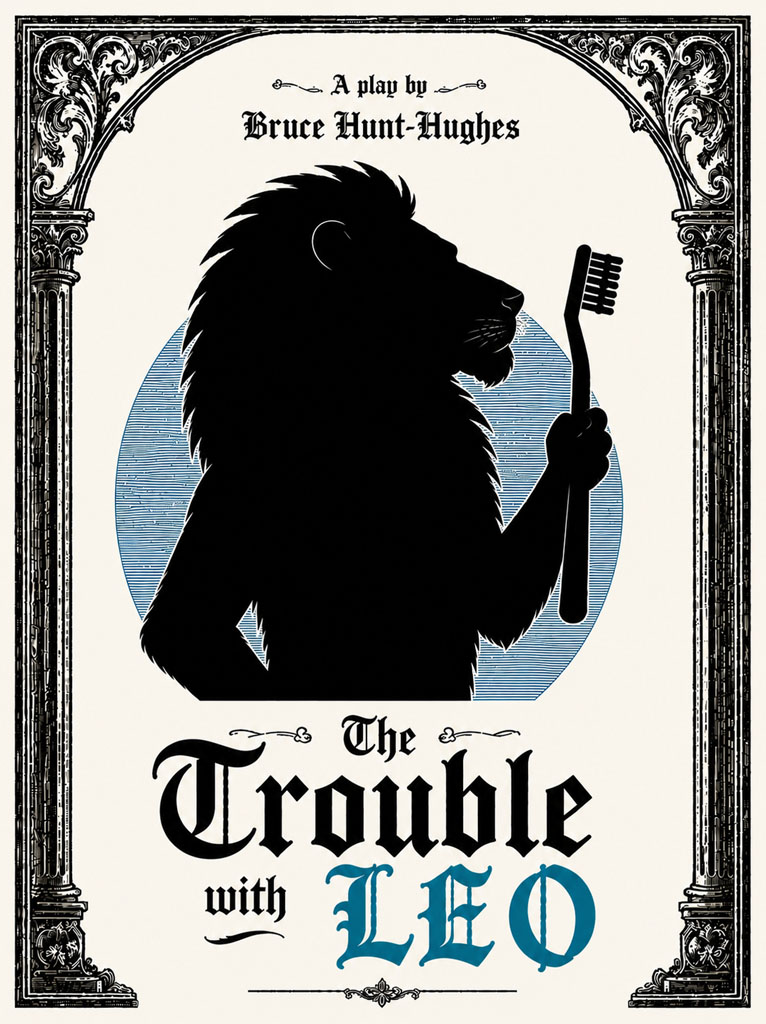
Part pathos, part joy and full of tongue-twisting wordplay, The Trouble with Leo by Bruce Hunt-Hughes is pure pantomime. A major health scare gave Bruce the impetus to dig out this old idea – dreamed up before the distractions of a long career on stage and screen – and get it out in public. Which he did, on a local stage, not far from his home and mine.
I heard it was happening but lay low, too busy with health concerns of my own. Eventually fessing up to prior performance-lighting experience, I joined this community endeavour on one condition: “that I get an understudy to pass on some knowledge of lighting the stage.”
Only then would it be worth the effort. I had nothing to prove in the LX world, content with the shows I made for a living way back when. What I had now was a golden opportunity to pass on some of the techniques and tricks to a future LD/LX tech.
During the initial testing-the-waters phase of Leo, Bruce and I realised that we had both once worked on the same theatrical piece – A Midsummer Night’s Dream in Melbourne’s Botanical Gardens, albeit in different years. How weird that we should now cross paths decades later in country Victoria?
What am I lighting and how am I doing it?
In my prime, this gig would have been a piece of cake. With a busted old body and a head full of pills, now more commentator than practitioner, it turned into quite a challenge.
The first step of any design process is to establish a scope. What are you trying to do and what do you have to do it with? For this one: country panto, tight budget, light-hearted fun.
The next step is defining technical limits, the most stringent of this job being power and rigging. Or a lack thereof on both counts. Violet Town Community Memorial Hall was built in 1968 and it shows. It has a simple, elegant proscenium framing a decent-sized stage with modest wings but that is where the tech joy stops.
No rigging bars or rated points above the stage (and I am not hanging lights off the curtain tracks!). No three-phase power, and a confusing mix of 240 V AC outlets on shared circuits. On a shoestring budget to boot. This might be a tricky problem to solve.
Before I could do that, I asked Bruce what, if any, effects he might like. He marked up the script with some ideas and left me to my own devices to interpret them. Some vague mood boards provided the initial aesthetic guidance.
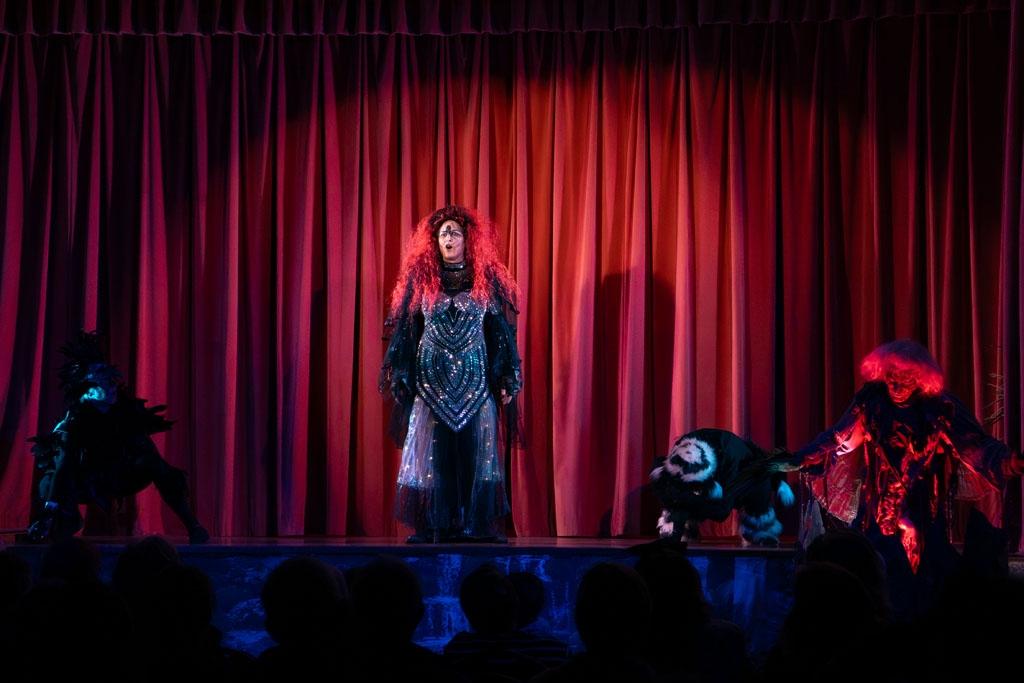
From little things…
Tech problems first: what gear could I get and how could I power it? Various local organisations had bits and pieces but not in a mix that would ensure a good outcome without major grind. With time and effort, I’m sure that I could jury-rig together something, but there would likely be more frustration than it was worth. I suggested a modest hire.
Hugh Drum at HD Productions was a great help. Learning of the power and budget limitations, he suggested using the ChamSys MagicDMX dongle’s single-Universe demo mode, controlling Jands 4PAK-D dimmers over DMX. And yes, he had heaps of base plates for vertical truss. He also gave us a great deal, and his service is an example many big-city providers could do well to emulate.
Still not entirely sure of the exact stage layout or blocking, I erred towards a multi-functional plot, where fixtures could fill multiple tasks and cover general zones. Two offstage bars at FoH were adequate for front lighting applications and four onstage v-trusses held everything else.
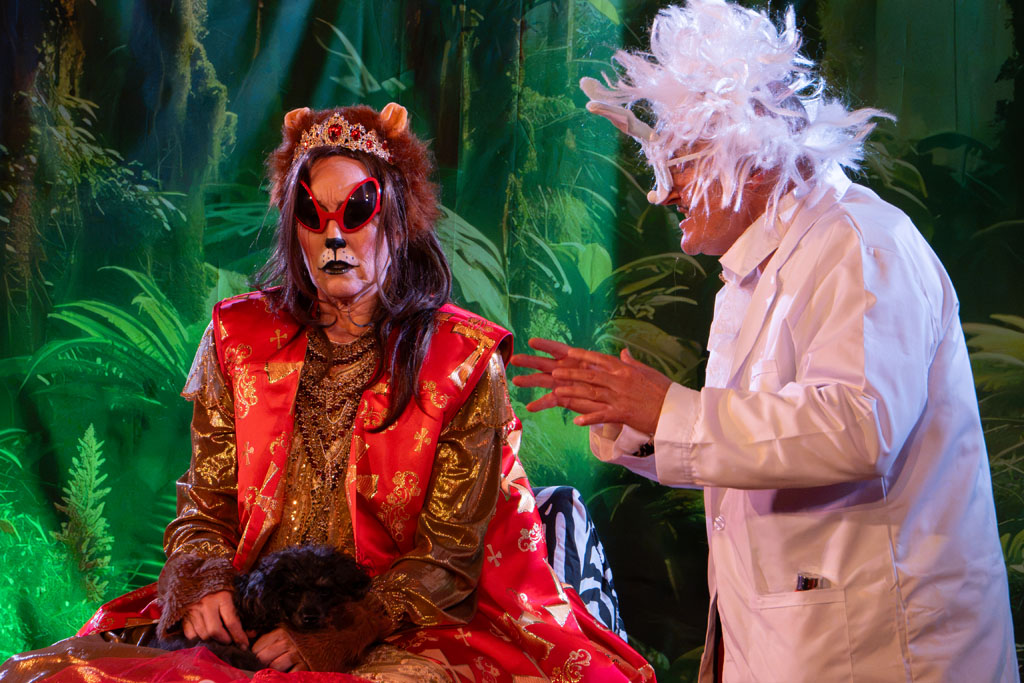
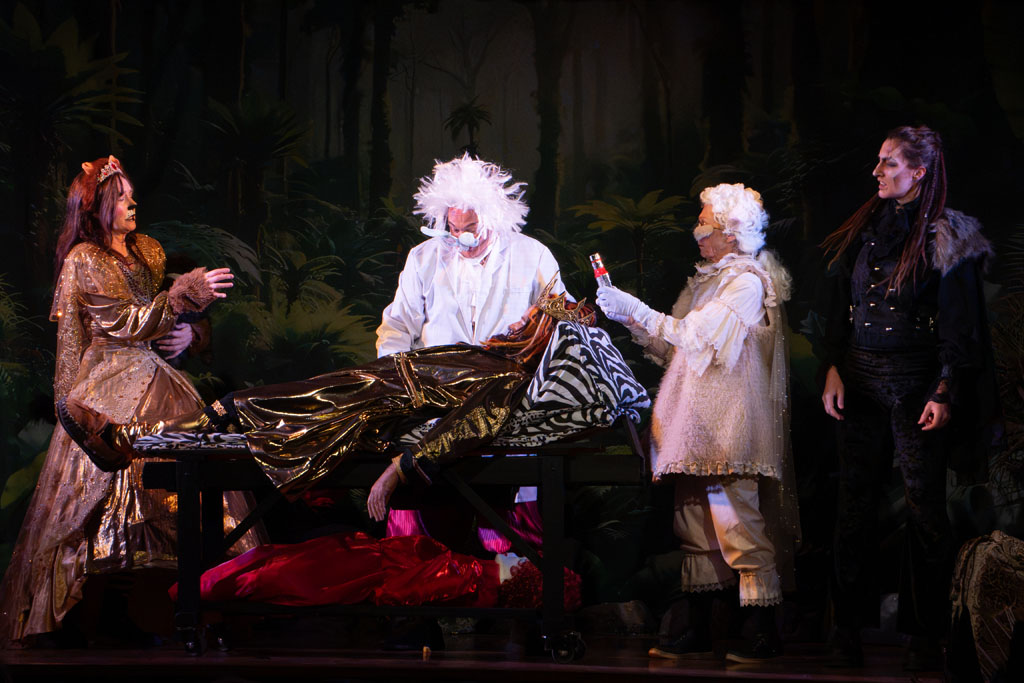
Gear selection and plotting were the easy bit. My excursions into programming a modern lighting console were far less successful. One step forward followed by five backwards. After early attempts, I was starting to feel out of my depth. An uncomfortable feeling at the best of times, but it was compounding the daily life struggles of an invalid going in circles.
Mentoring again
Not having anyone to teach was making the whole experience hollow and getting me down. All the creative youngsters I knew were neck-deep in Year 12. Out of the blue, local IT engineer Simon Jennings joined our party. We had a chat, he was keen to learn, and I quickly devised a broad plan around getting him up to speed enough so that I was not operating the shows.
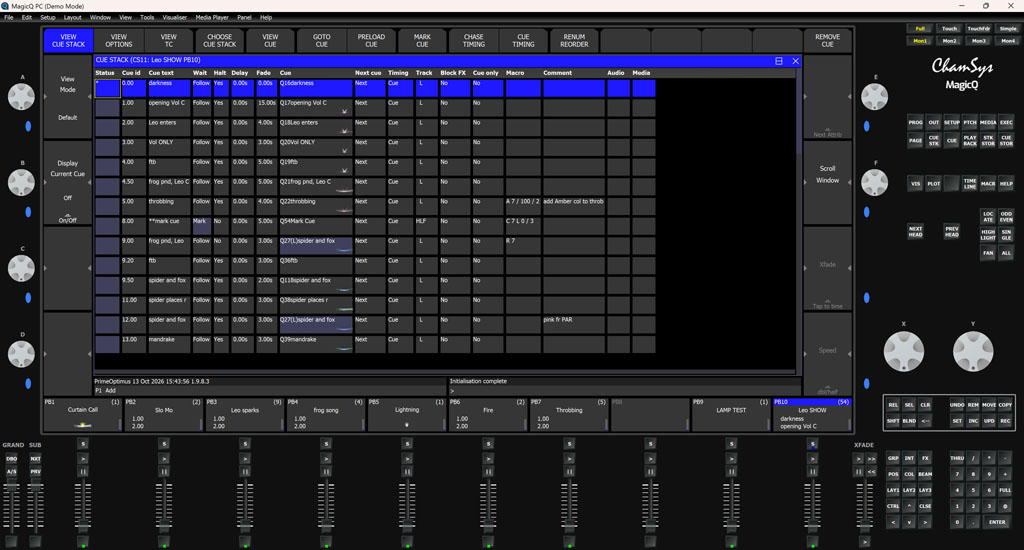
Lighting 101, profiles v washes v effects, dimming tech, DMX, and other basic LX concepts formed a rudimentary syllabus. By then, the plot was worked out as I was getting stuck into (or stuck at) programming. I gave him the basics on consoles and set him loose with MagicQ and the School of YouTube. “Concentrate on heads, colours, intensity, and cue stacks. That’s all we need for this show. Ignore everything else.”
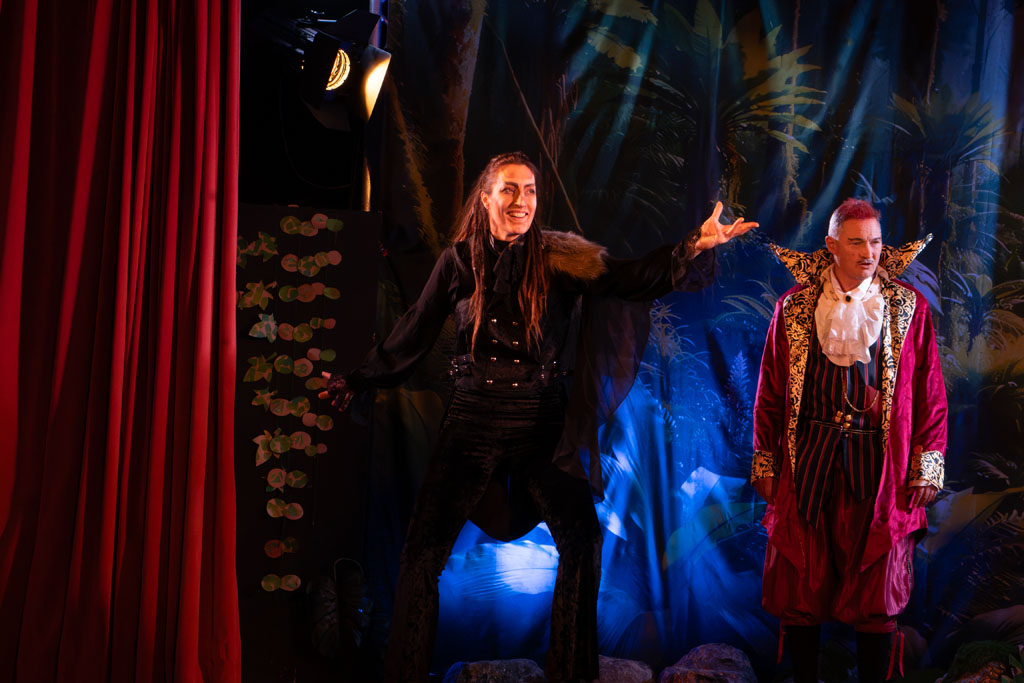
Two old pals, patience and perseverance, popped in to help. Breaking my learning into chunks, I forced myself to be diligent in solving one problem at a time. Further, I versioned fastidiously, saving often. Every day or so, I sent the most recent show file to Simon for his ongoing study.
The (production) people
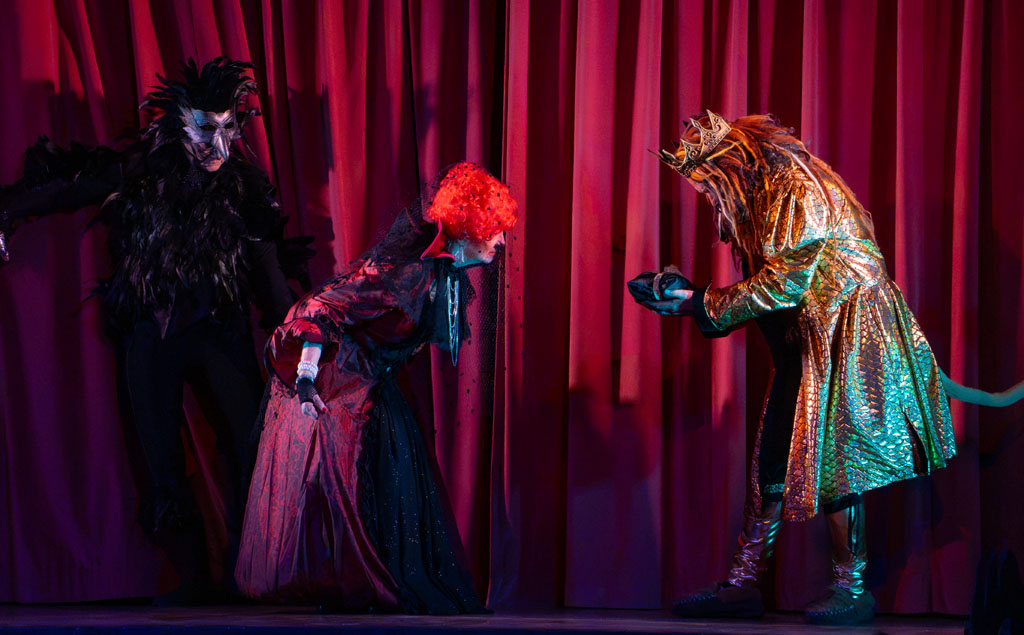
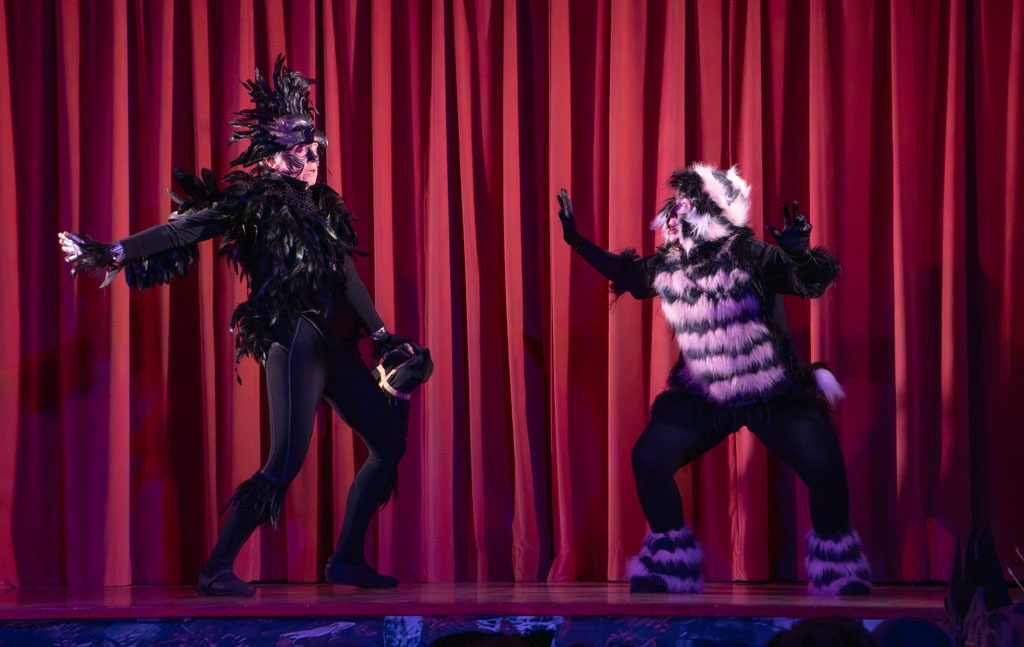
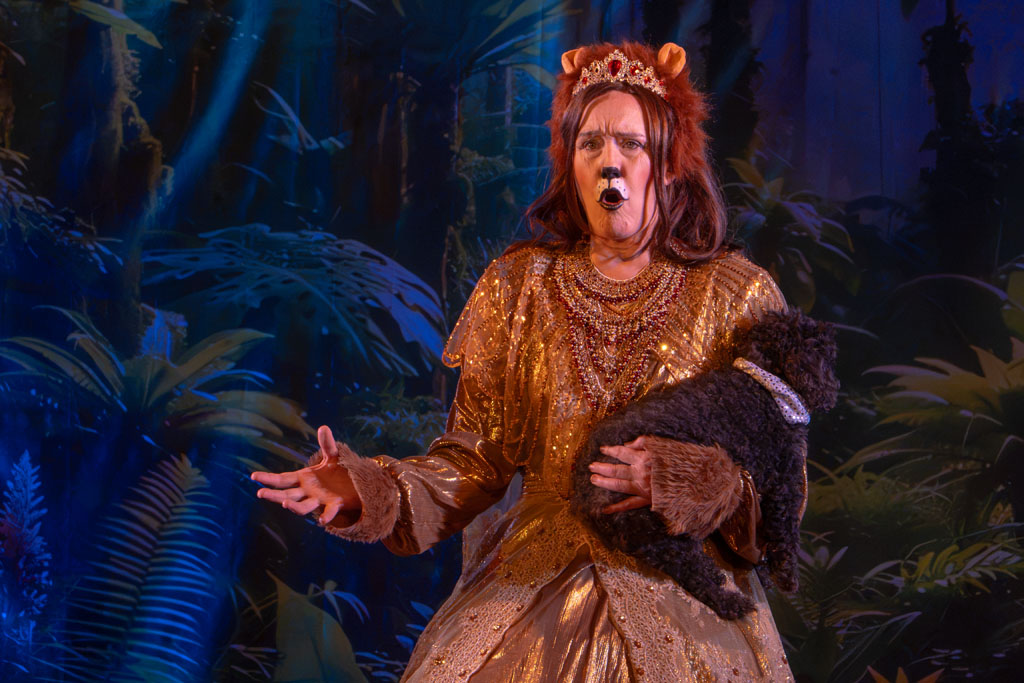
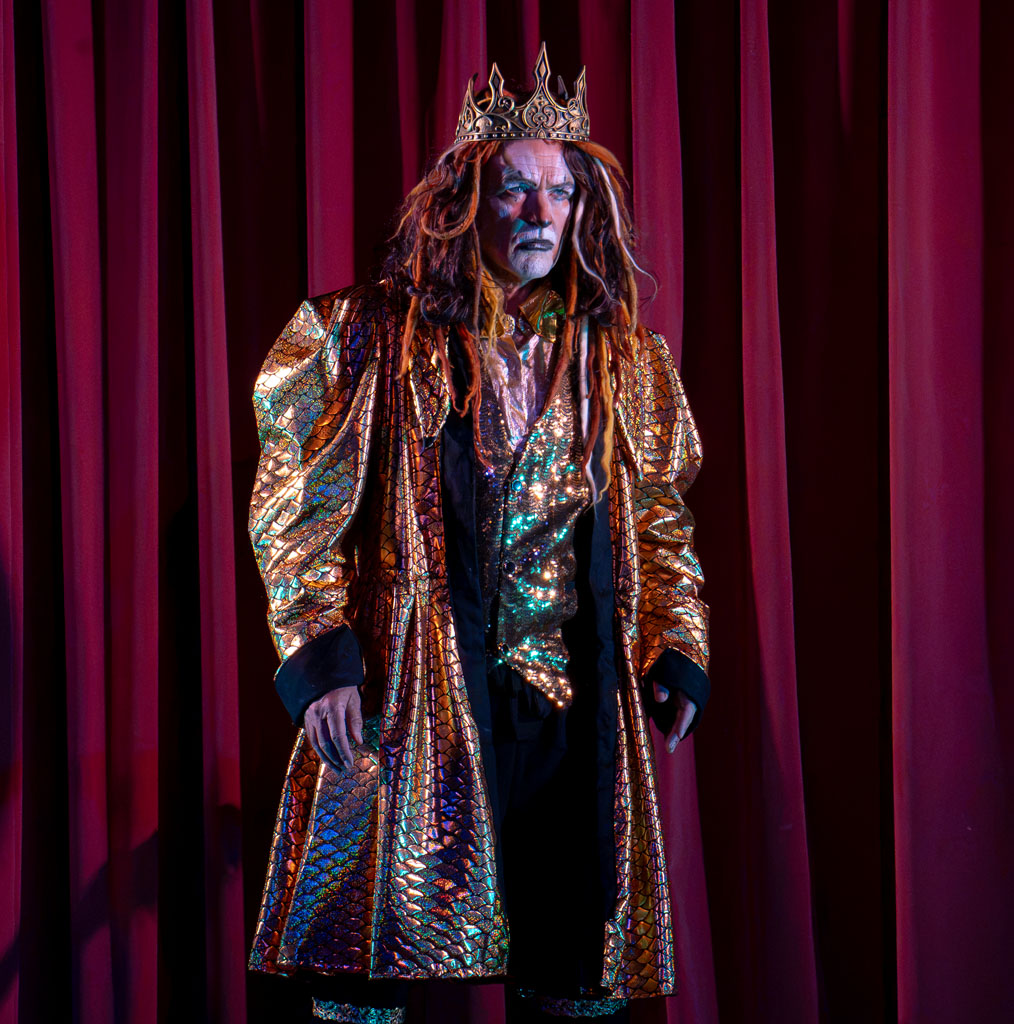
At the initial tech production meeting, I was introduced to Jacquie Koolen and her astonishing costumery. We were all amazed – this kit looked awesome. We could light the whole thing in open white and it would dazzle. This high bar was excellent inspiration for me. It also gave Bruce the faith to bump up my budget a bit, adding some more RGBW Pars to help make it sing visually.
We tried a few backdrops before settling on a simple jungle scene that I could highlight details of with basic lamp trickery. As we progressed, Jacquie’s attention to detail went beyond even my lofty perfectionist standards. It was a real pleasure to create alongside someone so calm, considered and humble.
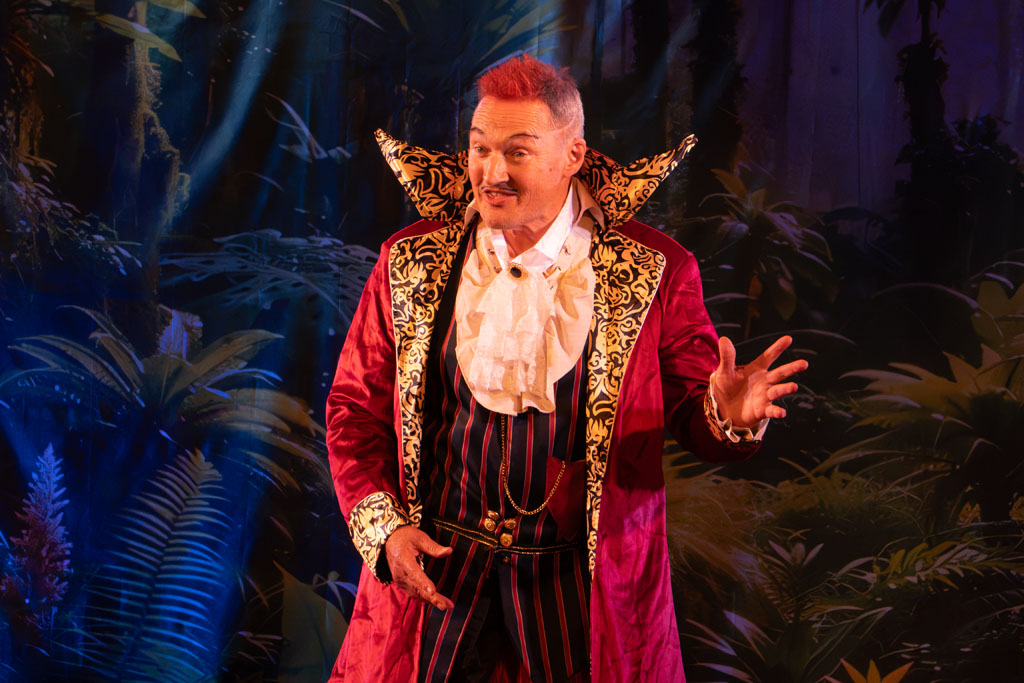
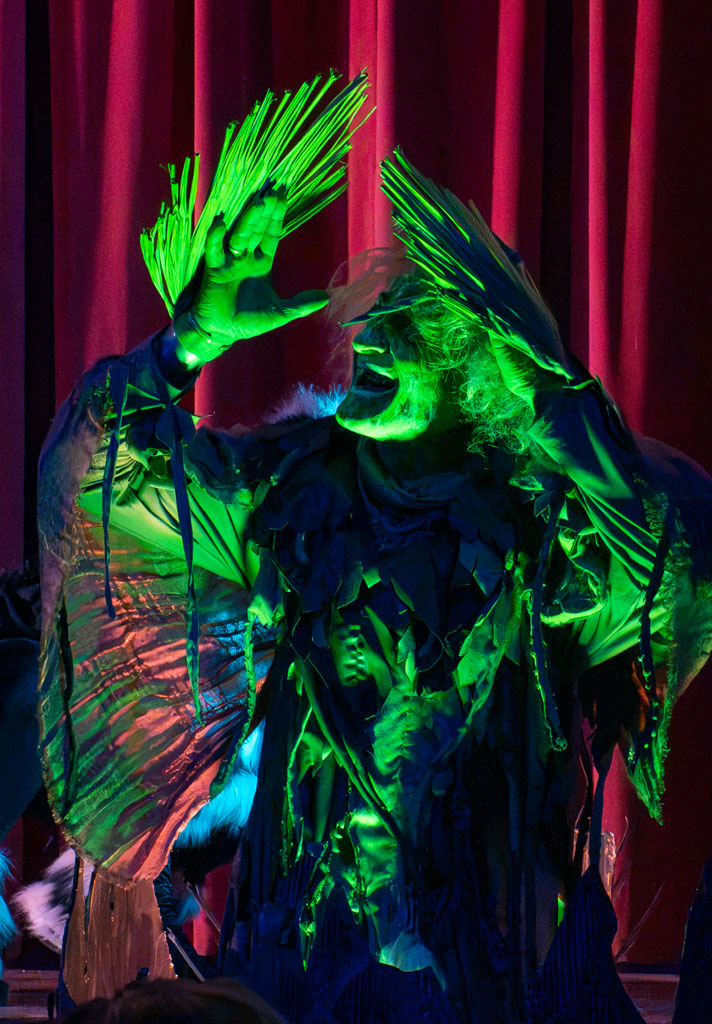
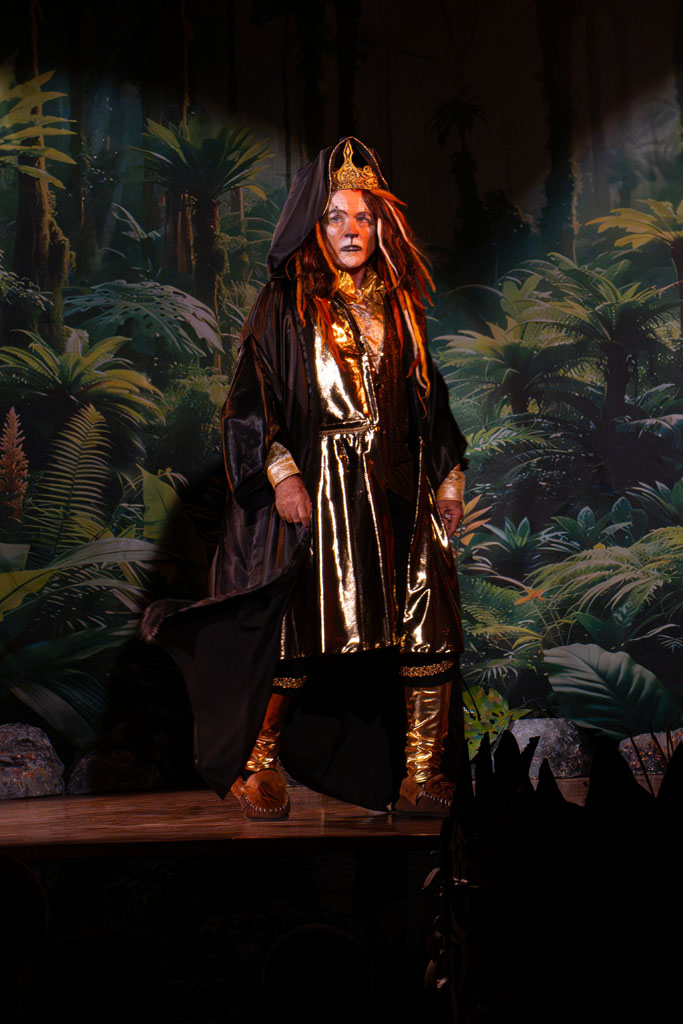
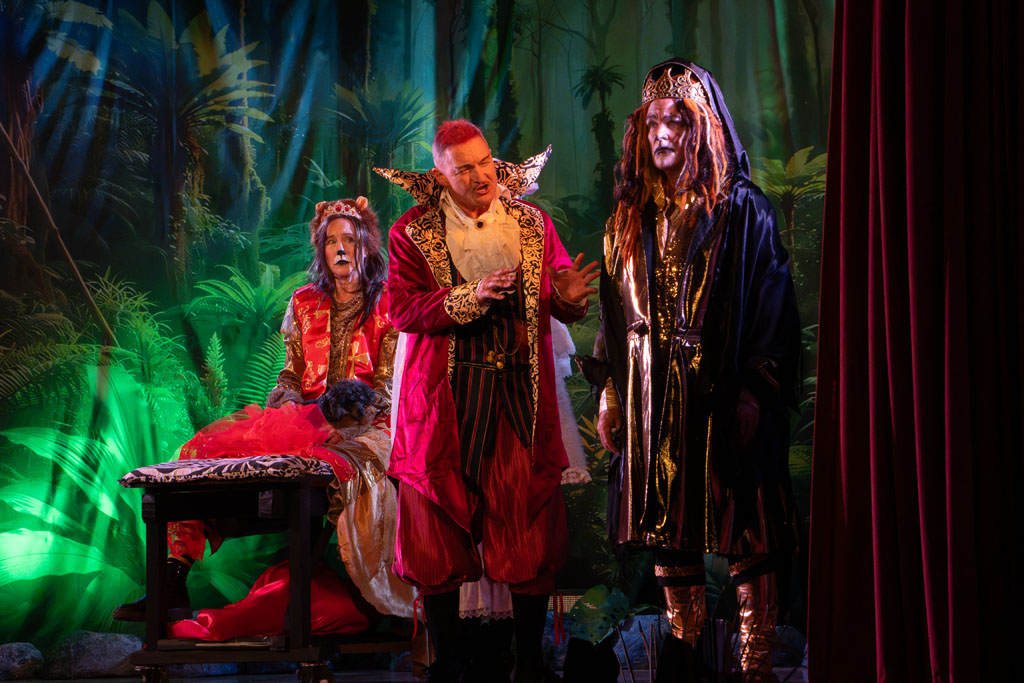
In the meantime, other players were coming through with their own top-notch contributions, from music to props and accessories. Each layer of the Leo-cake was looking mighty tasty, providing me with the stimulus to leap over my programming hurdles and piece together something worthy.
The palette I ended up with was colourful but not quite cartoonish. Using bold primaries at times, I also filled with plenty of white. The trusty Lee 132/170/159 combo got dusted off, and completely launched on Leo’s stunning frocks.
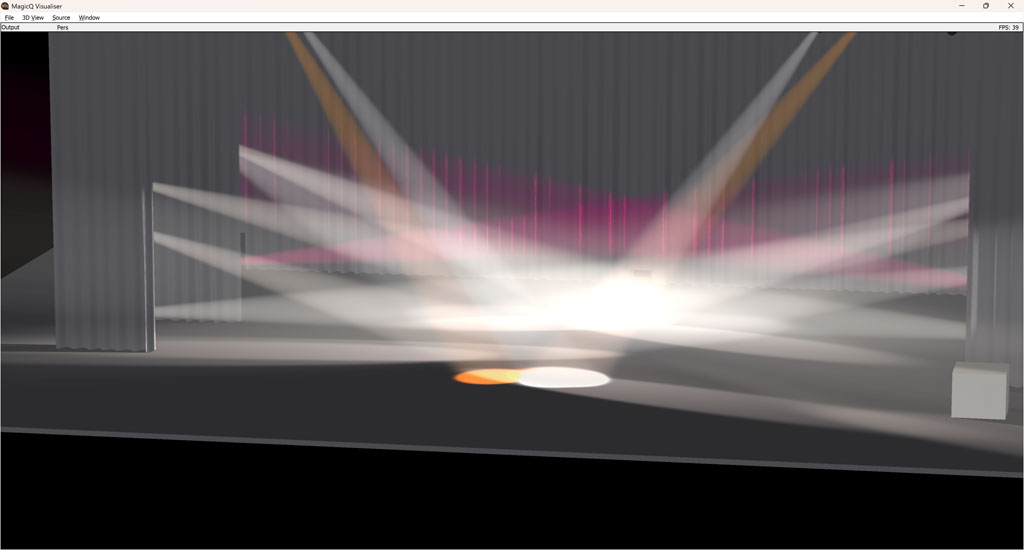
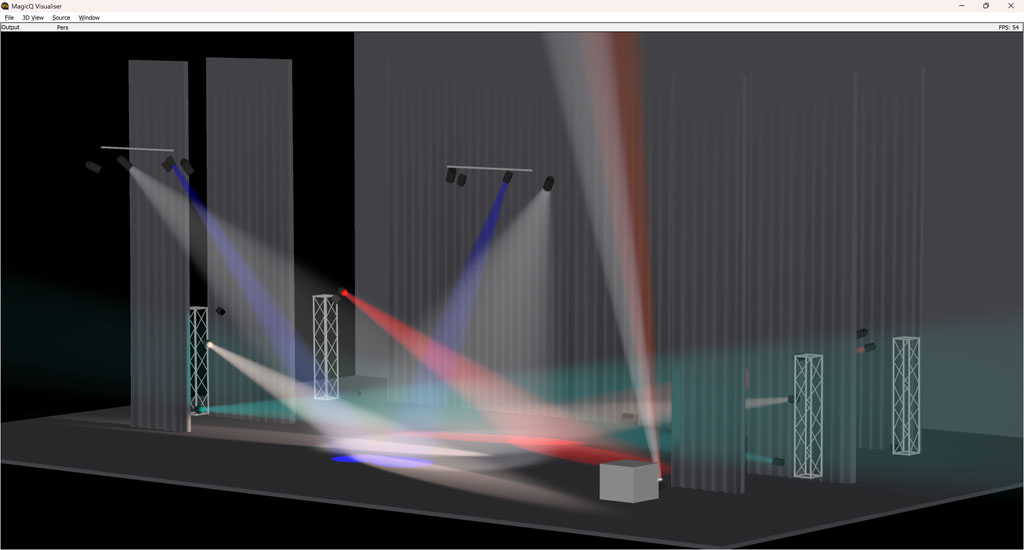
I eventually got a working show file ready to demo at the next tech meeting. Pre-vis is one of the greatest advancements in show lighting. Period. What was once in my head was now on screen in glorious 3D for all to see. That got everyone very excited. It also gave us all a crucial chance to talk through scenes and blocking, identify tech or staging problems (with potential solutions), and get a better feel of what each department was up to.
Greater than the sum of its parts
Makeup, props, music – all lifted to a level beyond, each inspired by what everyone else was bringing to the party. And keep coming they did, with several roles written into the script to accommodate keen actors as they put their hands up.
Though some of the cast had prior experience, many had not performed beyond school productions when they still used candles as footlights. Some had no stage time at all. Producer Charmayne Lane has form and played a delightful Volumnia as she kept everyone on track week by week.
One of the most heartwarming aspects of this production was seeing so many people so far out of their normal comfort zones while bringing their everything to their parts. It must have given all those involved incredible self-worth and pride to be part of something so magical. Even as a seasoned professional cynic, I am equally proud of what we achieved.
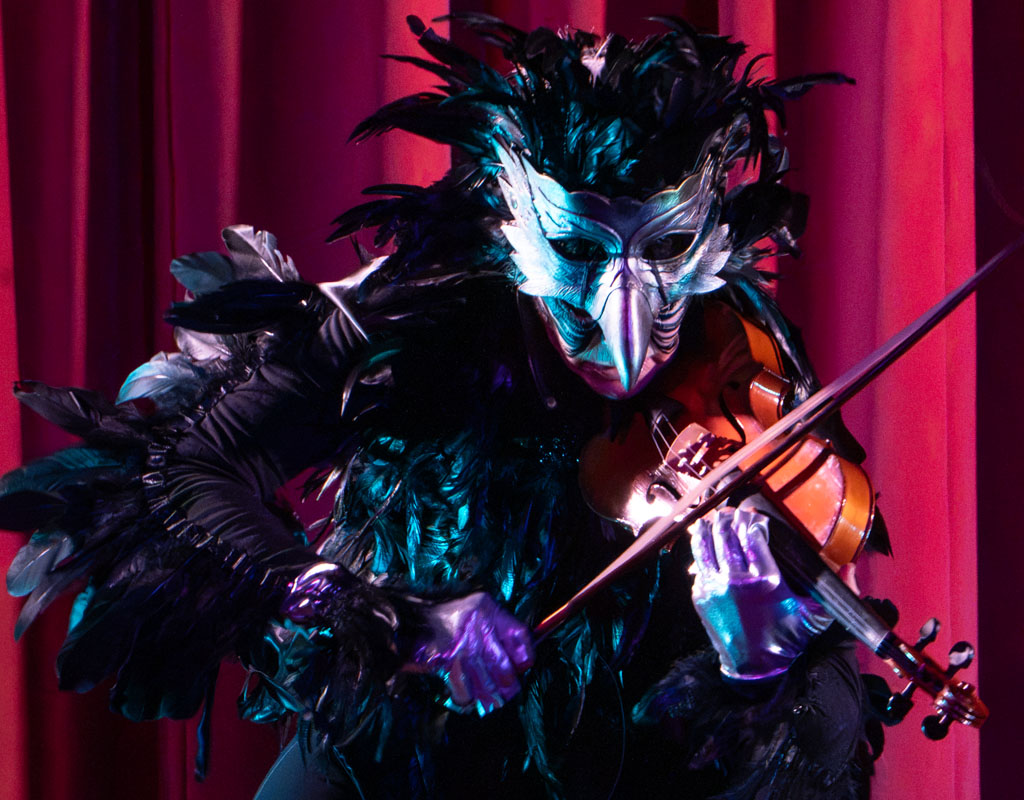
In the end, it was no trouble at all to light up Leo. Although personally challenging at times, the final result was well worth it. The best outcome was watching all my (old and new) local friends brim with confidence in rising to a challenge of risking looking foolish in public. Across the board, they all shone, and I couldn’t be happier for them.
I would have loved another 20 hours of programming, and a deeper understanding of both the control platform and the response of the lamps being controlled. But I stayed mindful of context here – this is a community pantomime in a small rural hamlet. No iconic Sir Whatsits to be seen and no deep budget either.
Captain Sensible
In a quiet moment after one of the tech runs, I asked Bruce if he was happy with the lighting design and whether it met his expectations. “Not only am I happy, I am astounded by what you have done.” Coolio – job done. Once upon a time, I would have stressed about the bits that could be better, stayed up all night polishing looks and been a grumpy downer because my part wasn’t absolutely perfect. Wiser now, I am very happy that I exceeded the brief and everyone had a fun experience.
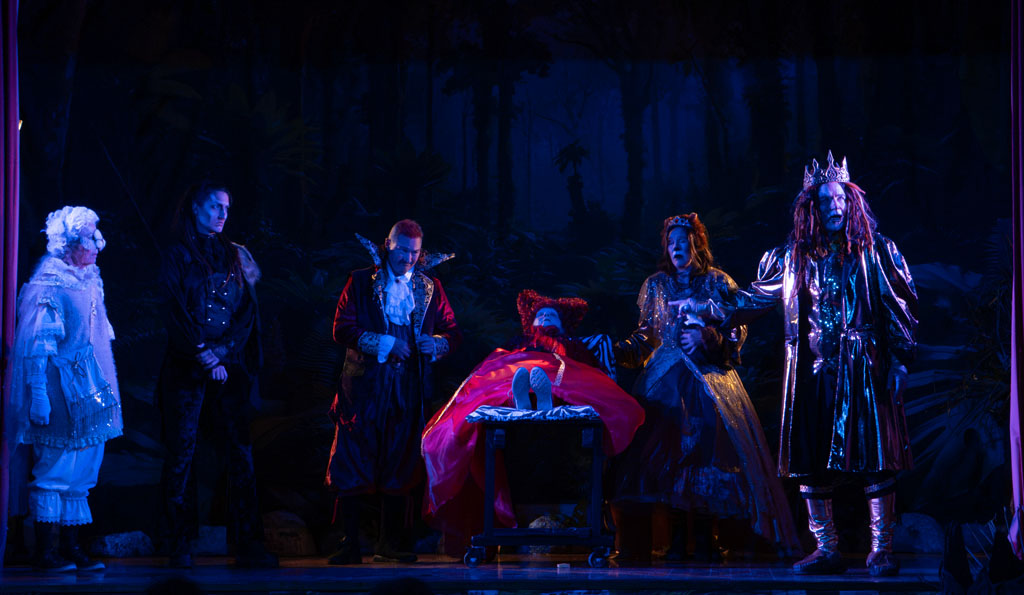
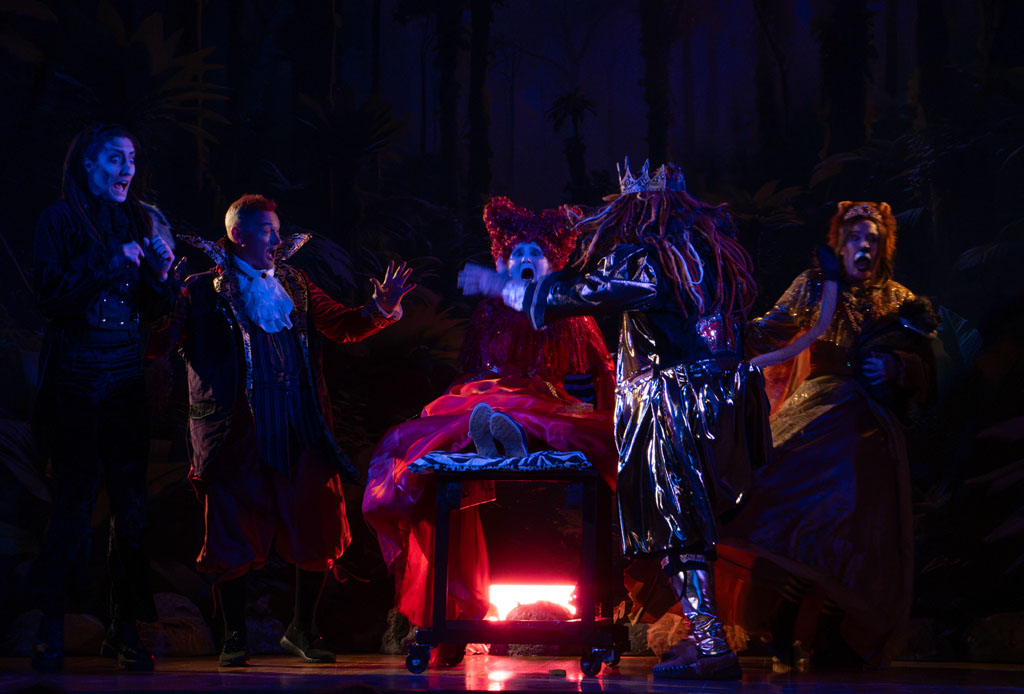
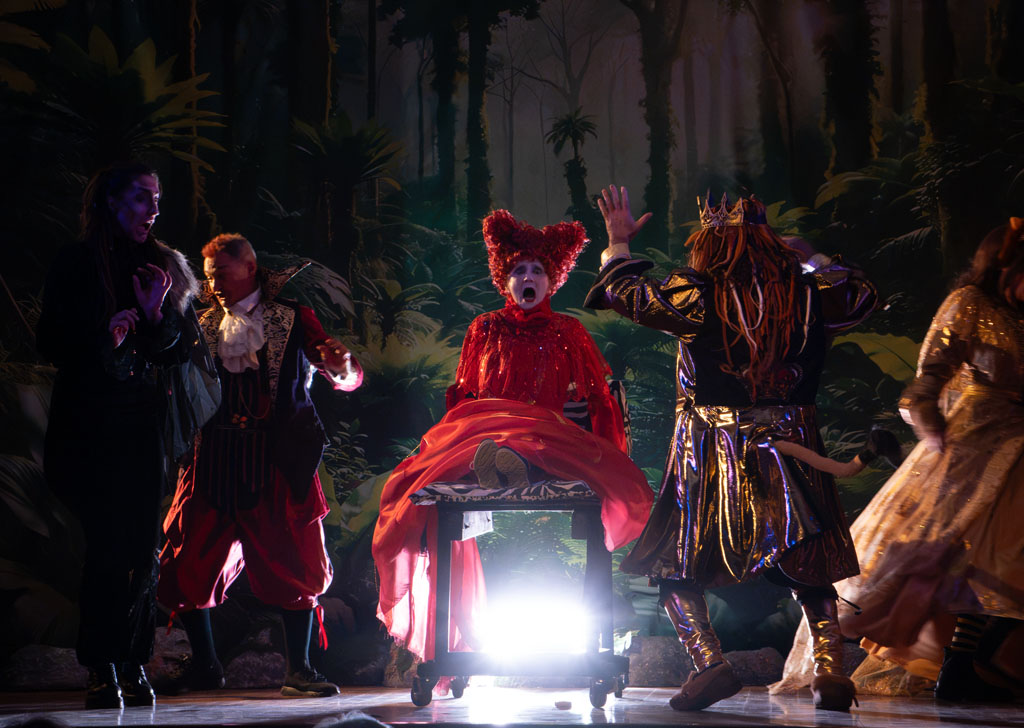
For my performance, the harsh professional critic of my past would score my lighting design ‘a solid B. Nice try but could do better.’ And I’m OK with that. Forever learning to let go of perfection, I did the best that I could with the time, energy, budget and scope available. I got another person inspired to delve into the theatrical world. And I got to share some of my past skills in lifting up the new skills of others.
We did two tech runs after rigging all the lights. For the first, I stayed at the console and coached Simon over my shoulder, so that he could see how the theory ran in practice. This was the first time the entire cast and crew were assembled together. It was the first moment of everyone seeing what all the others had been up to, and the first time we had all seen it together.
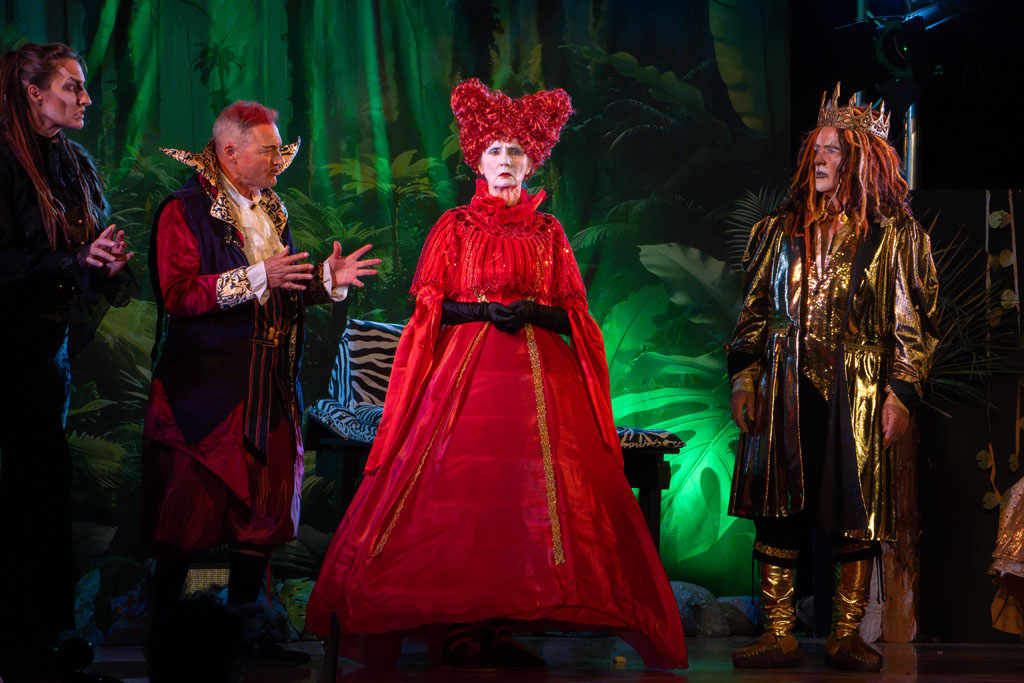
For the second, Simon got a hands-on feel for actions and timings on the (virtual) board. I loitered on and off stage, calling STOP when something was way off, but letting it flow as much as possible.
It’s worth noting that we ended up with the LX control onstage with the downstage prompt. The SM had roles around the stage and the ASM/show-prompter was also a cast member. Good vocal projection sufficed for the reverberant room, so no audio enhancement was required. We had decided early on that the extra complexity of a comms system might be a bit much for this ensemble, so stageside LX it became.
At the next night’s full and final dress rehearsal, I sat in the audience to watch the complete show and take notes. A few prompts were needed and a couple of moments felt clunky, but overall, it was coming up nicely.
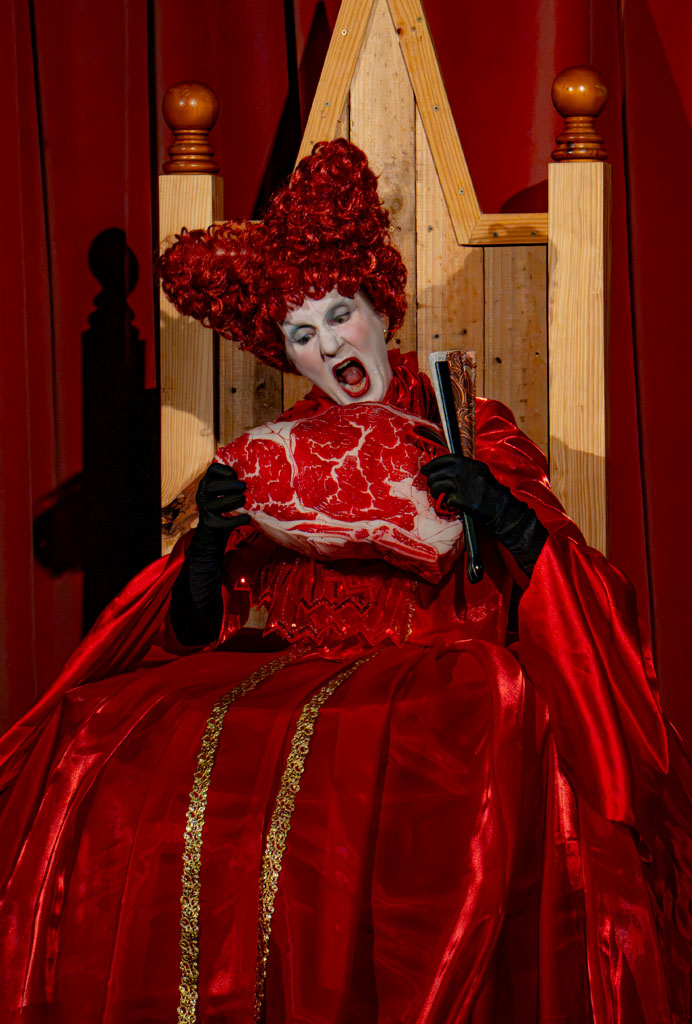
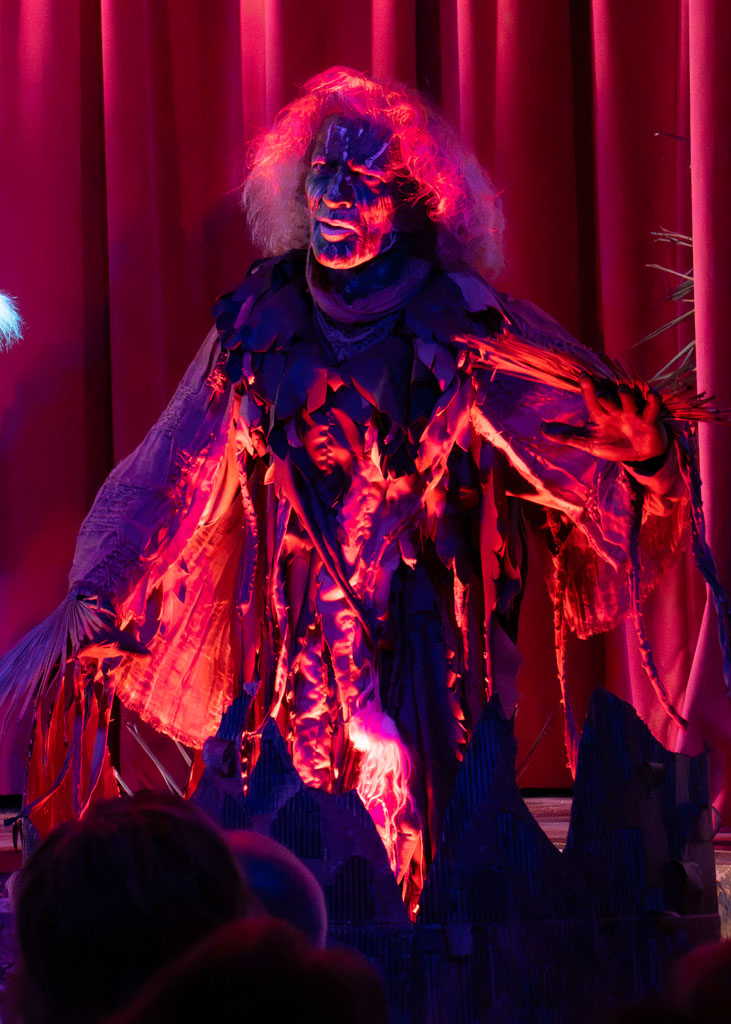
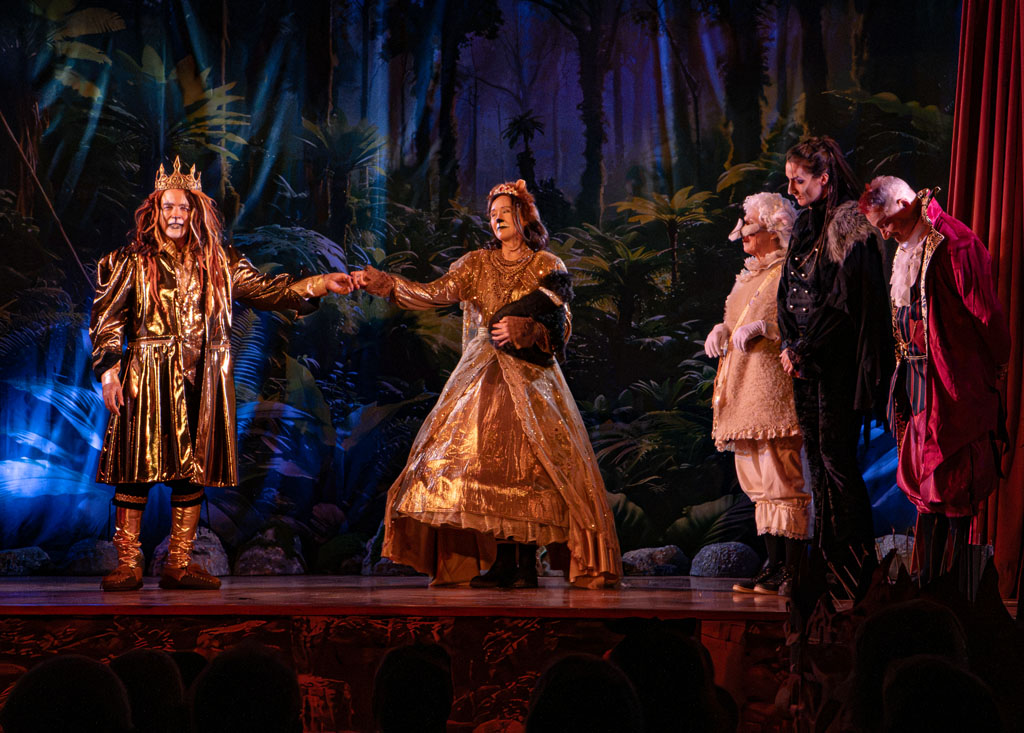
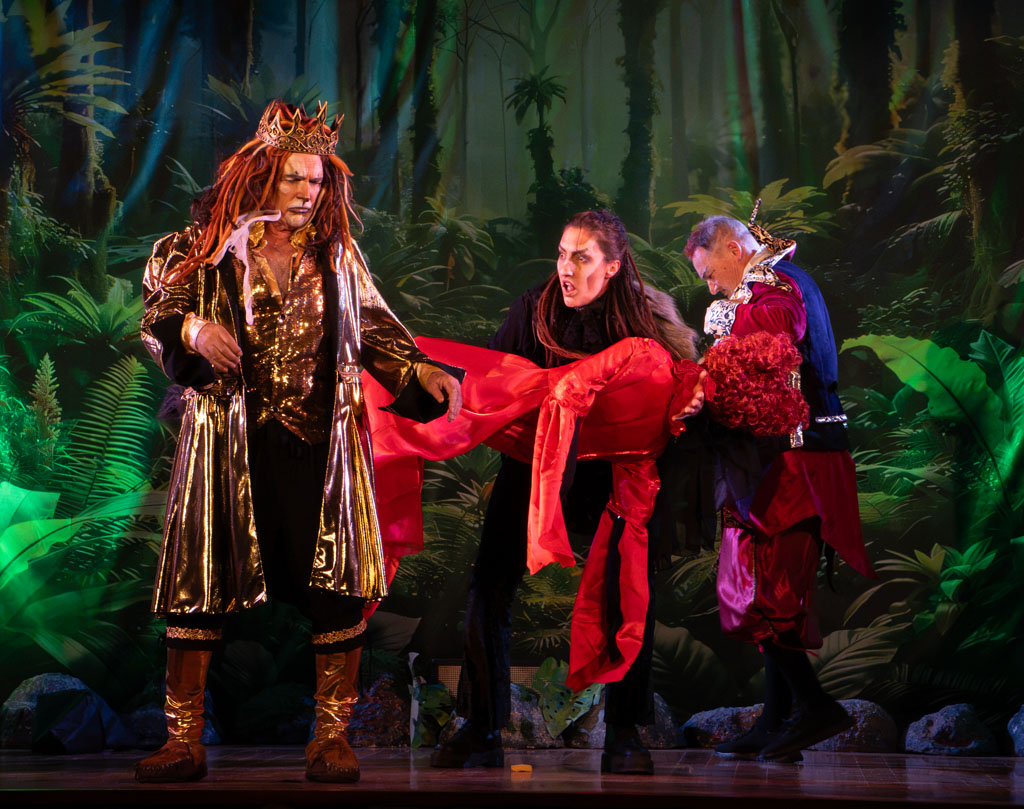
This final dress rehearsal was also the first chance I’d had as the lighting designer to see how my scenes and transitions worked. Most of them passed muster but a couple of effects were a tad underwhelming. With more time and energy, I may have made them sparkle more, but there were no Emmys on the line, so I let go and ran with it.
Professionally Amateur
I’ve been involved with many professionally run and staffed productions that were neither as slick nor as passionate as Leo. Everyone lifted manifold notches, the whole came together gloriously and, most importantly, the punters loved it. So much so that two of four shows sold out.
The Trouble with Leo was a theatrical production in the truest sense of the word amateur – one of love. Love for performance, love for storytelling and love for sharing that with others. Bruce and I both got another chance to share our crafts, and to do so with a wonderful community that we both love.
Oh, and we spread the love for good dental hygiene.
LX GEAR LIST
- 2 x Patt23 profiles
- 3 x Selecon Pacific 1k profiles
- 2 x Selecon Rama 1.2k PC Fresnel 2 x Jands 4-pack dimmers
- 16 x Event Lighting PAR 12×12 RGBW 1 x Event Lighting WIP3120
- ChamSys MagicQ on Mac mini
—
KEY PERSONNEL
- Director – Bruce Hunt-Hughes
- Script – Bruce Hunt-Hughes
- Producer – Charmayne Lane
- Costumes and Stage Design – Jacquie Koolen @koolenjacquie
- Lighting Design and Programming – John O’Brien
- Lighting Operator – Simon Jennings
—
BIO: BRUCE HUNT-HUGHES
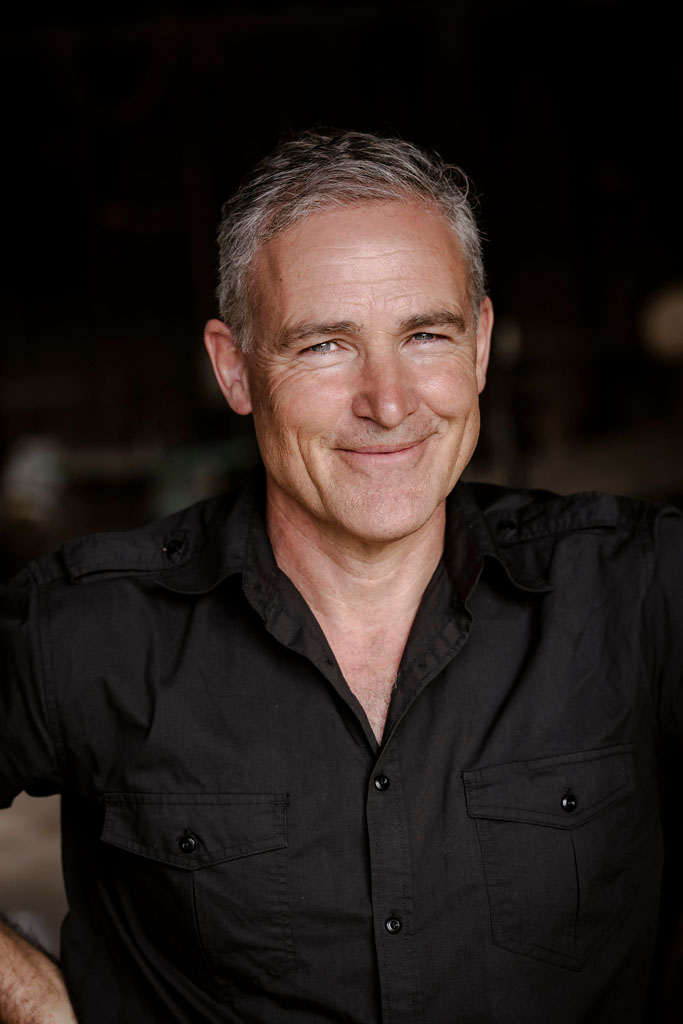
Director Bruce Hunt-Hughes was born in England but grew up in Perth. After a classics degree at UWA, he studied acting at NIDA, graduating in 1986. A variety of stage and screen roles around Australia followed, before the bright lights of London and a career as an international Shakespearean thespian. He continued acting on his return to Australia, supplementing this as a corporate trainer and communications skills coach.
Subscribe
Published monthly since 1991, our famous AV industry magazine is free for download or pay for print. Subscribers also receive CX News, our free weekly email with the latest industry news and jobs.
Recent posts
Latest jobs