TECH TALK
3 Jul 2026
ZAP! Avoiding Stage Electrocution
Subscribe to CX E-News
National Forum Flags Compliance Gap, Launches Working Group
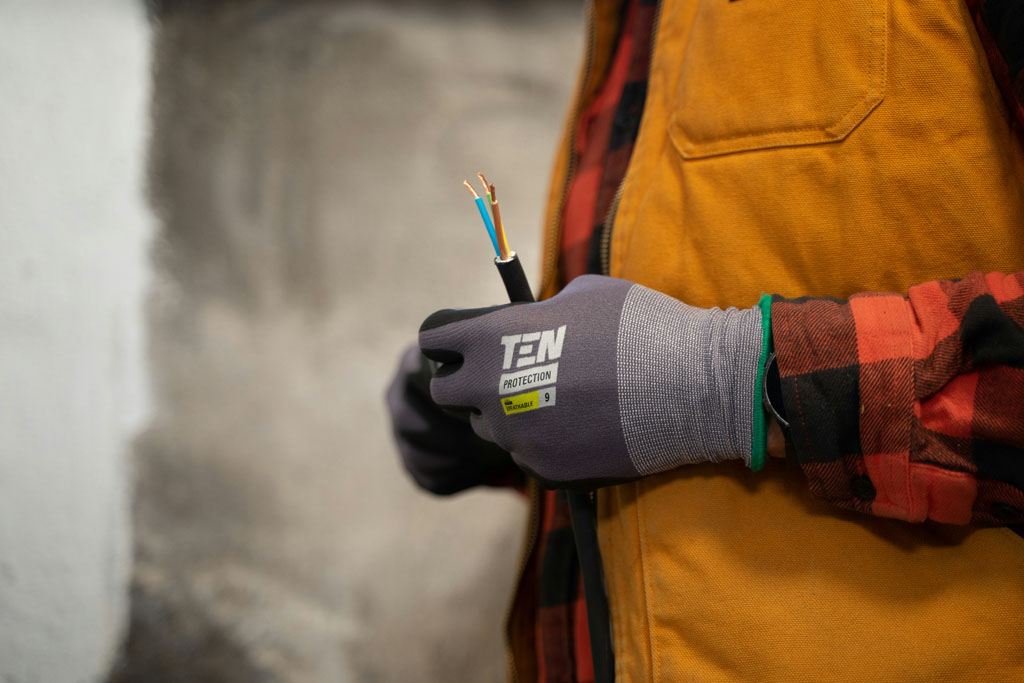
The major Keynote at ENTECH Roadshow’s 2026 EnTalks was on electrical safety and industry issues around compliance, where a masked tech told the Sydney meeting he routinely performed ‘illegal electrical work’ during maintenance. He wanted to get a Restricted Electrical Licence akin to that held by plumbers and air-conditioning installers – but could not find a training organisation prepared to issue one.
But the wider issue discussed across the national forum was basic electrical safety, which most agree is well handled within the entertainment and events orbit. No single instance of a fatal electrocution in our industry in Australia is known. And everyone wants to keep it this way.
A rising level of concern is around grey imports of equipment, specifically anything outside the EESS – the Electrical Equipment Safety System. The risks of importing equipment without an RCM (Regulatory Compliance Mark) are very real. They include voiding insurances, and ultimately prison time if anyone is hurt.
The Keynotes, held in Sydney, Brisbane, Melbourne, Adelaide and Perth revealed limited awareness of RCM and apparent frequent instances of equipment being bought online and imported without compliance or testing.
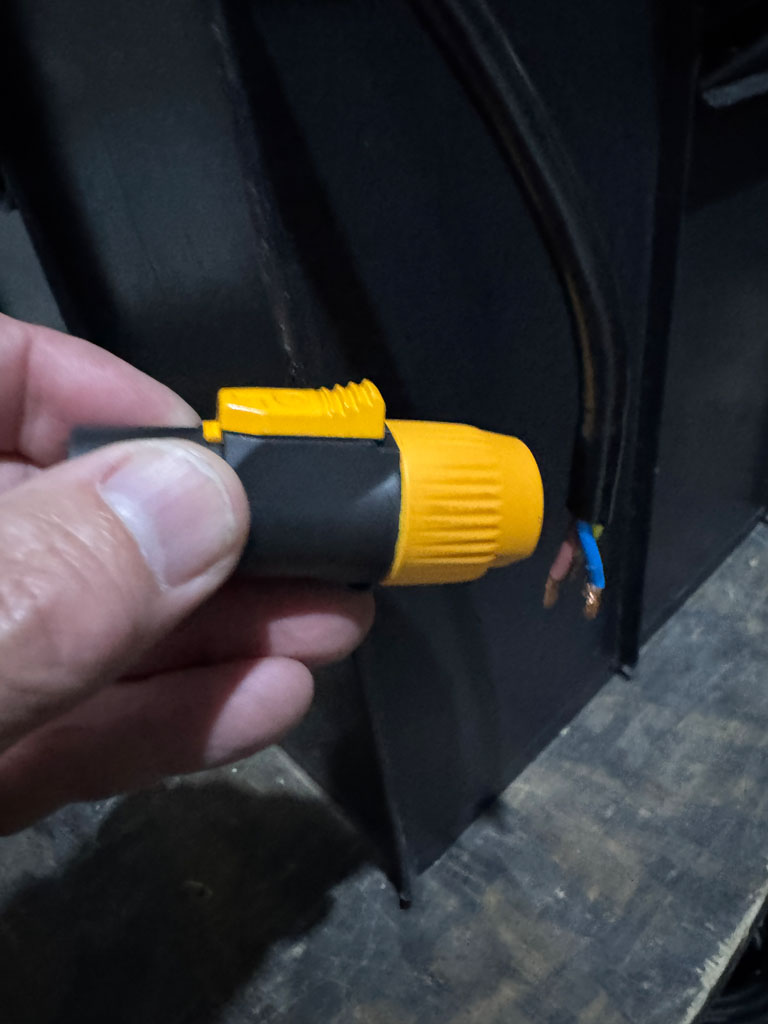
A terrifying example was raised, where new powerCON TRUE1 connectors readily pulled off premade cables in first use, exposing crew to bare energised wires. An entire manufactured batch of these cables was found to be defective with almost all on one rig failing at first use.
Deaths onstage have happened, such as a Brazilian singer killed on stage in 2024 after a wet fan contacted a faulty cable; an Argentinian singer died from a faulty microphone – a fault difficult to imagine. A US stagehand died from an exposed junction box above a concert hall ceiling.
In Australia electrical fatalities at workplaces are well documented by WorkSafe and SafeWork agencies, but they tend to be construction, electrical trades, and industrial settings.
Aside from the RCM issue, the relatively new ‘electronic Certificate of Compliance’ issue raised considerable concerns. South Australia now requires electrical certificates to be certified before making the installation available for energisation (before power is live). It’s administered by SA’s Office of the Technical Regulator. This state-based legal requirement is that every temporary electrical installation be certified by a licensed electrician before it can be energised.
Trade at the Adelaide Keynote had little knowledge of this, but there’s been a licensed electrician certifying the power installation at every ENTECH Adelaide, at ENTECH’s cost since 2023. Most exhibitors have never known as it gets handled before they plug in.
If that requirement spreads to other SA venues, or other states start asking why they don’t have something equivalent, it stops being handled quietly. It means an attending electrician on every bump-in, testing gear, signing off before power is live at every single show of any size.
The reason that hasn’t happened yet is not because the regulatory framework doesn’t support it. It’s because nobody has pushed on it. Consequences for failing to submit an eCoC include warnings, expiation notices, disciplinary interviews and potential legal action under section 61 of the Electricity Act 1996 with penalties of up to $5,000.
So South Australia already has the strictest temporary electrical compliance requirement in the country, even if it hasn’t been adopted in most venues there – the meeting heard it was only known to be implemented at Adelaide Showgrounds, and by the city council so far.
It’s an existential issue for the sector, potentially imposing a massive cost burden on the industry.
At the Keynotes the open mic sessions often expressed frustrations around international touring equipment including entire rigs not carrying Test and Tag compliance. This was also echoed by the exposure of the Perth HPC venue’s dual safety protocols where, as an example, international crew are exempted from the strict White Card policy imposed on local crew. A frustrating side issue that amplifies the Test and Tag issue.
One worrisome anecdote from one session had a broadcaster saying they have encountered at least one venue that demanded they test-tag all their equipment specifically for the duration of the one event – an impost well beyond the Standard and any legislation. Few attending reported test tag intervals of less than 12 months, many saying they had specifically written the test tag protocols in their safety plans.
To better explore issues and contemplate lobbying for an entertainment Restricted Electrical License, a discussion group has been established by Julius Grafton: https://leecwg.discourse.group/
Subscribe
Published monthly since 1991, our famous AV industry magazine is free for download or pay for print. Subscribers also receive CX News, our free weekly email with the latest industry news and jobs.
Recent posts