New Zealand
2 Sep 2026
Backing Ourselves
Subscribe to CX E-News
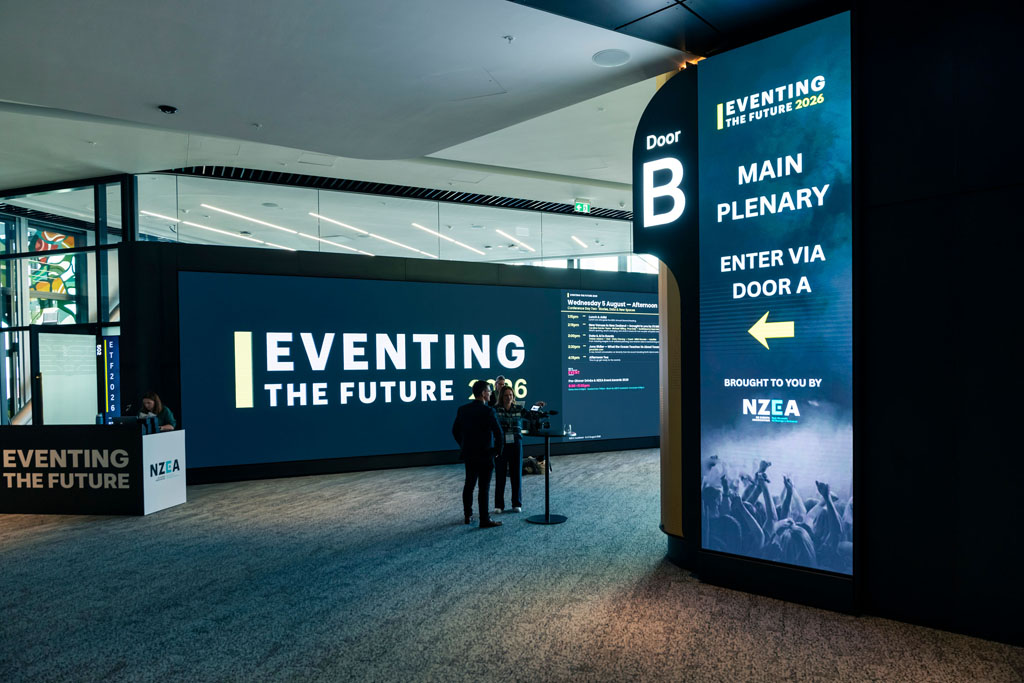
Eventing the Future 2026 asks what a sustainable events sector really needs from government and from itself.
There was plenty of talk about government investment at Eventing the Future 2026, but some of the most compelling stories across the two-day conference came from organisations getting on with the job of building their own audiences, brands and resilience.
None operate in isolation from government or councils, nor was anyone suggesting they should. But one distinction kept resurfacing across almost every session: the difference between being funded and being invested in. Fieldays’ chief executive Richard Lindroos put it most bluntly, arguing the sector should stop asking government to bankroll events and start building organisations government wants to back. The same logic ran through the government’s pivot to “quality over quantity,” councils reframing themselves as partners rather than paymasters, and sponsors looking for audience relationships rather than fence-line exposure. In each case, the money followed something capable of standing on its own.
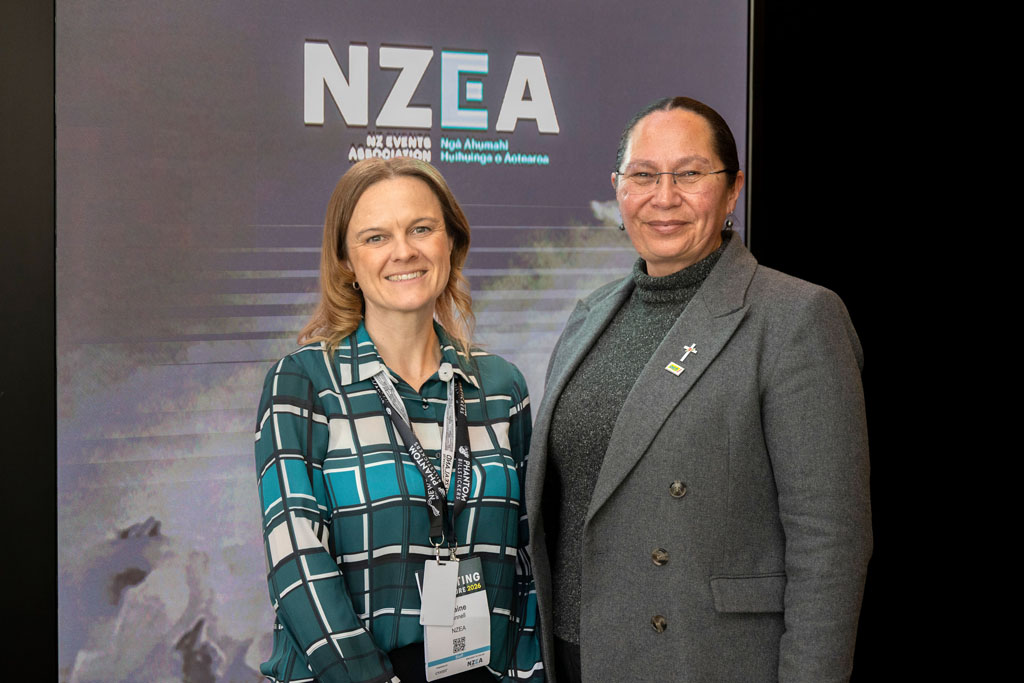
For Elaine Linnell, conference organiser and General Manager of the New Zealand Events Association, an organisation that both lobbies government and supports members to build capability, the collective confidence shone through, “Every time we get this industry in one room, I’m reminded how much talent we have here. The energy across these two days was something else, and it’s a privilege to lead an organisation that gets to represent people doing this calibre of work.”
Start with the audience
If there was a common denominator among the success stories, it was audience. Auckland FC is building a supporter base from scratch, and CEO Nick Becker described a club that identified three groups from the outset: families, dormant hardcore football supporters, and casual ‘eventsters’ good for two or three games a season, each with its own proposition, and a mantra that stayed uncomplicated: fans come first. Data has its place, but there is little point chasing a digital tool unless it gets people through the gates.
World of Wearable Art (WOW)’s Ange Monaghan talked about balancing a loyal audience with the need to develop the pipeline, using data to spot people already interested but yet to buy. Her phrase for what WOW is really selling was the sharpest of the session: “collective effervescence,” the moment a room full of strangers briefly feels like one audience. Fever has turned behavioural data into globally successful formats: its Candlelight concerts evolved partly through watching which imagery generated engagement, more candles, more interest.
Different events, same principle, and the first plank of investing rather than funding: before asking somebody else to back your event, be able to show precisely who wants it and why.
Design the experience, not just the event
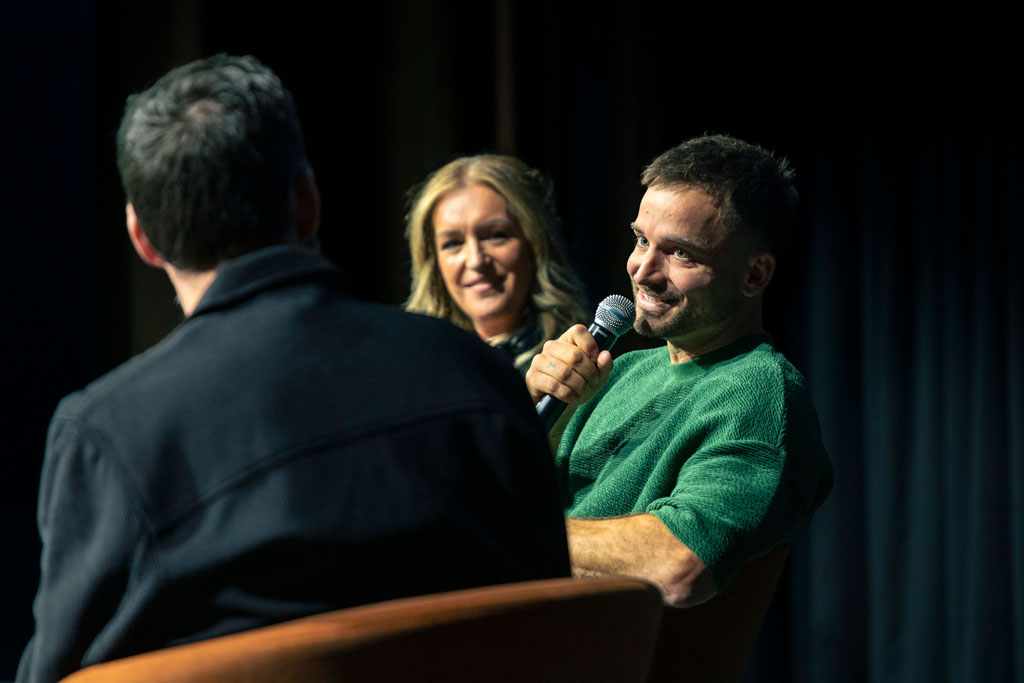
That principle carried into a session on what happens behind the curtain. Audiology’s Mitch Lowe drew a simple line: a good event delivers, a great one exceeds, by treating the whole customer journey, from ticket purchase through access, execution and exit, as one design problem, and deliberately engineering “wow factor” moments while leaving room for magic to happen on its own.
ASB Classic’s Tracy Magan described the same instinct in practice: long-time fans with the same seats and a packed lunch sit alongside a newer audience wanting a dressed-up, premium night out, hence The Terrace, a VIP+ tier answering a gap festivals had already filled. It was the same segmentation logic Auckland FC and WOW apply, expressed through infrastructure rather than marketing. Both speakers agreed unglamorous basics, toilets, water, a comfortable queue, do more for satisfaction than any production element, and that sponsors earn their keep here too, as active contributors to the moments that make an event memorable, not a static logo at the gate.
Sponsors want a seat at the table, not a spot on the fence
That handover into sponsorship was made explicit in a session built entirely around brand partnerships, and it sits squarely inside the same theme. If sponsors are being asked to invest rather than pay for exposure, they expect what event owners are demanding of government: a genuine stake in something that works, not a logo on a step-and-repeat.
HNRY, the accounting platform for sole traders, wants to be in front of the same customers every week rather than in a corporate box once a year, and has little patience for generic pitches.
KiwiBank talked about using events to reach a younger audience it needs but doesn’t yet have an emotional relationship with, sponsorship as brand transformation. DB Breweries wanted genuine “money-can’t-buy” access, via Electric Avenue, SailGP and SYNTHONY, to amplify across its own channels, and was explicit that a pitch must show the value exchange, not just ask for a fee.
The practical advice was consistent: understand what your brand is trying to achieve before asking for anything, the same shift in mindset running through the rest of the conference.
Risk remains part of the deal
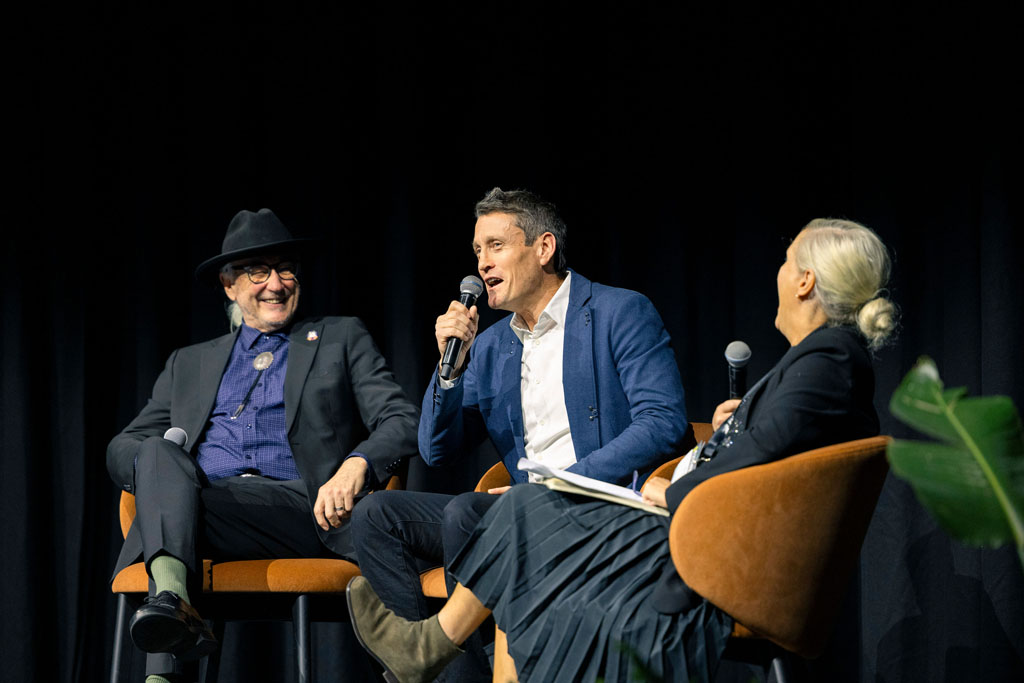
That responsibility was plain when veteran promoters David Higgins and Brent Eccles took the stage. Between decades of stories on concerts and artist management sat an old-fashioned piece of advice: back yourself. For Higgins, that has meant investing heavily in Joseph Parker’s world heavyweight title fight in New Zealand, and the calculated risk of turning SYNTHONY into a brand-led event capable of travelling internationally. For Higgins and Eccles together, it meant a handshake agreement on a 50:50 joint venture to deliver Once in a Lifetime in Christchurch, despite differing business cultures and Higgins having previously sworn off joint ventures. Not every gamble paid off: Higgins recalled Rugby Tens, always going to lose serious money, and the last-minute scramble to fill seats for Paul McCartney at Mt Smart.
Neither promoter dismissed public investment: both argued government and local-body support can make a real difference, particularly with Australia’s state-backed event market competing for the same artists and audiences. That apparent contradiction, back yourself, but government matters, became one of the more interesting threads of the conference, and a preview of the argument Minister Louise Upston would make from the same stage the next day.
From funding events to investing in an industry
Tourism and Hospitality Minister Louise Upston arrived with tangible evidence that central government is taking events seriously: last year’s $70 million Major Events and Tourism package, including a $40 million Events Attraction Package for large international events and a $10 million Events Boost Fund for existing ones. Upston talked about becoming more ambitious while favouring quality over quantity, with clearer alignment between delivery partners and investment in events that can demonstrate greater value. A national event strategy is now in development, an announcement well received by the audience.
The panel that followed provided a useful counterweight. Fieldays’ Lindroos argued the sector cannot rely on government; it needs stronger capability, a more unified voice and greater confidence in New Zealand-owned events with the potential to scale. Fieldays makes the case itself: a registered charity that reinvests any surplus yet operates with obvious commercial discipline. Its 2026 event sold every available exhibitor site and attracted over 132,000 visitors. Lindroos drew a line between government funding an industry and strategically investing in one, backed by clear strategy and investment guardrails, and greater confidence in home-grown properties such as Fieldays, SYNTHONY and WOW.
Councils can bring more than a cheque
Day Two added another piece to the puzzle. The Cities & Events panel challenged the idea that a successful relationship with local government should be measured by the size of the grant.
Councils can also help organisers navigate bylaws and licensing, connect them with mana whenua and local businesses, and align events with wider city strategies. This wraparound support, done well, reduces risk and can contribute more to long-term viability than a one-off cheque.
The quid pro quo is that event owners need to understand what their host city is trying to achieve. Economic impact remains important, but councils increasingly want community connection, cultural outcomes and a reason why this particular event belongs in this particular place. As the session speakers put it: organisers are being welcomed into somebody’s home. The question is what value they bring in return.
Commercial discipline behind the curtain
The same thinking extended into production. NW Group’s session on delivering more event for less money highlighted an uncomfortable reality: significant live-event turnover does not necessarily translate into healthy margins as productions become bigger and more complex. CEO Matt Jones’s advice was familiar: bring production partners in earlier, establish the objective before selecting the technology, use what already exists in the venue, and stop treating production companies as vendors brought in after the important decisions are made. Again, sustainability comes from understanding where value is created, then putting resources behind that.
Joining the pieces
Perhaps the most encouraging message from Eventing the Future was therefore not that New Zealand needs more event funding, but that the conversation about what “investment” actually means is becoming more sophisticated, and more consistent, across every part of the ecosystem.
Event owners have to create something audiences genuinely value and build business models capable of surviving beyond the first flush of enthusiasm. Sponsors want partnerships that deliver more than logos and a genuine stake in an audience relationship in return. Production companies need to be involved early enough to create value rather than absorb cost. Councils can reduce friction and invest against local outcomes. Central government can provide strategy, coordination and targeted investment where there is a broader dividend.
None of those pieces replaces another, and perhaps joining these pieces is where the challenge now sits. Elaine agrees, “What struck me over the two days was how much more joined-up this conversation has become, event owners, sponsors, councils and government all talking the same language of partnership. And it’s part of why rebuilding our regional reps presence matters to us, those relationships need to hold up all year, not just at conference time.”
NZEA is relaunching its Regional Reps programme, creating an opportunity for members to represent the association in their own patch, connect local members and champion the industry in their region. If that sounds like you, reach out to Tim Farmer (tim.farmer@rotoruanz.com), who has generously offered to lead the initiative on NZEA’s behalf.
Subscribe
Published monthly since 1991, our famous AV industry magazine is free for download or pay for print. Subscribers also receive CX News, our free weekly email with the latest industry news and jobs.
Recent posts