LIVE
15 Sep 2026
JBL Cuts Footloose
Subscribe to CX E-News
PQI Audio Visual is a boutique production company in Brisbane that has made a name for itself in musical theatre and orchestral production. Technical Director Ben Murray started out learning sound and lighting in high school before becoming a theatre keyboard player. During his time on the ivories, he became “somewhat disgruntled at the lack of decent sound designers and operators in the theatre space in Brisbane. I decided to put my money where my mouth is and do something about it.”
The new company’s first big break was working on a production of Carrie: The Musical at the Powerhouse in 2016. It was well received, and the market noticed. Regular engagements in independent theatre productions, school musicals, orchestral and ballet concerts, outdoor gigs, and some festivals followed. “Our mantra has been that no matter what we do, no matter what the price is, no matter what the budget is on the show, just make it good,” asserts Ben. “Make it good, make it clear, make it consistent, and make it repeatable.”
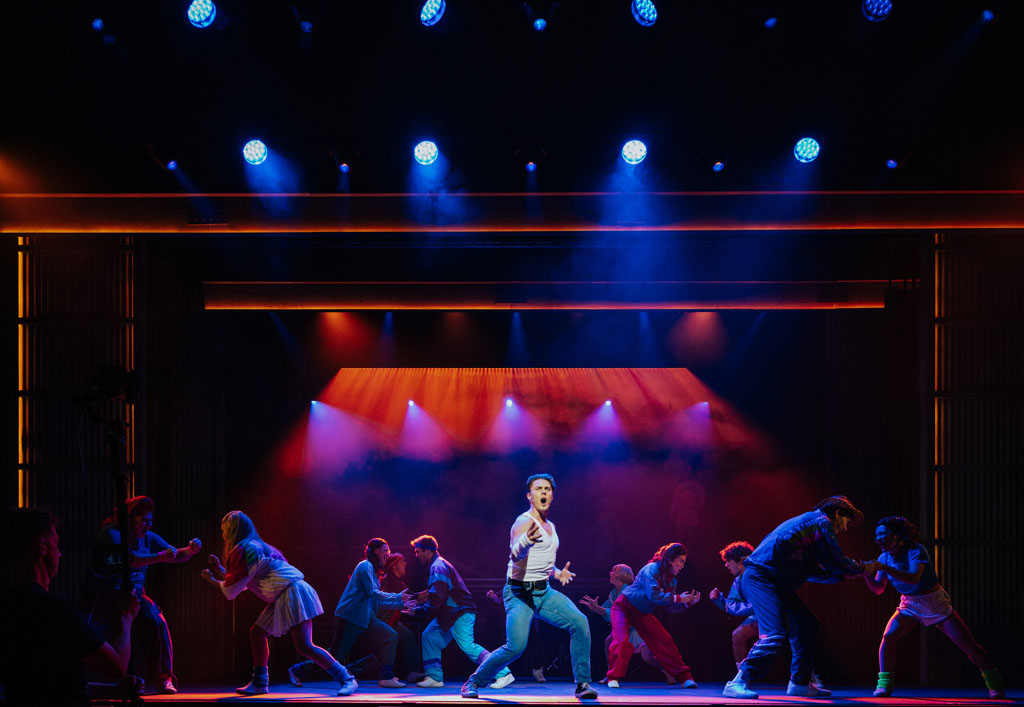
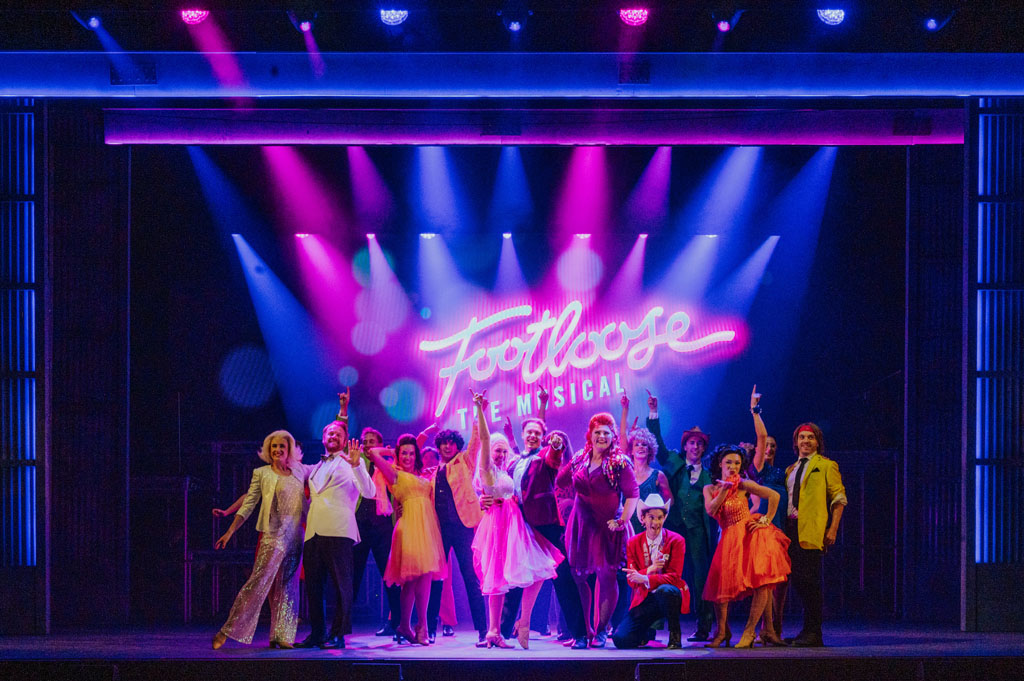
Along the way, PQI has acquired an inventory suited to the very particular work it does. “We have all the specialised equipment we need,” says Ben. “Keyboards, guitar amp sims, electric drum kits, drum booths, radio mics, headsets and lapel mics, comms, CCTV, and a substantial lighting inventory, including several hundred moving lights, several hundred static fixtures, lighting consoles, atmospherics, and LED screens. It has grown into a ‘bit of everything’ company.”
This inventory, of course, includes PA, and PQI has existing systems at a couple of size and price tiers. “Lately, I’ve been looking for a larger line array PA that could handle bigger rooms, deliver solid coverage in outdoor spaces, and remain flexible across both types of deployment,” muses Ben. With PQI picking up a national tour of Footloose The Musical, Ben had an opportunity to test out one option on his shopping list, JBL VTX A Series, on the Canberra leg.
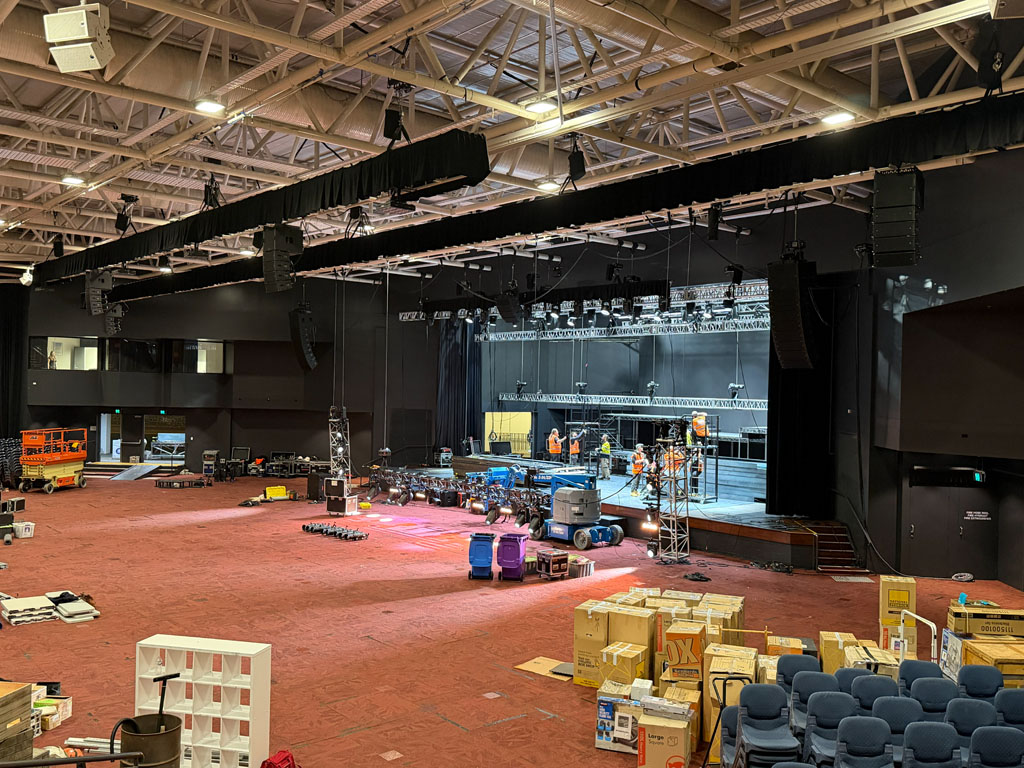
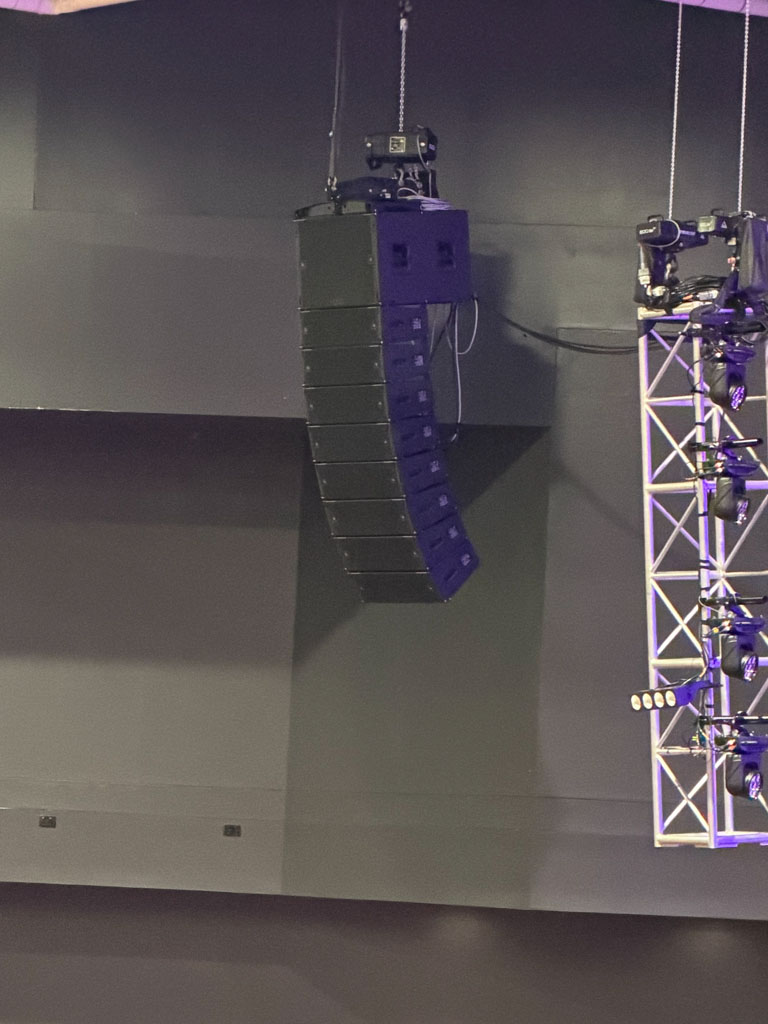
“This was going to be a challenging room,” intones Ben. “It was in the Royal Theatre in Canberra, which also transforms into a basketball court. It’s not exactly the most conventional of spaces. The venue is more like an amphitheatre, with some flat floor space in front of it. We needed substantial coverage, around 150 degrees radiating from the stage, covering 2,500 people. We needed to be able to push, but not have the front of the room be aggressively loud. What we needed was even coverage with a decent amount of volume behind it, but also punch.”
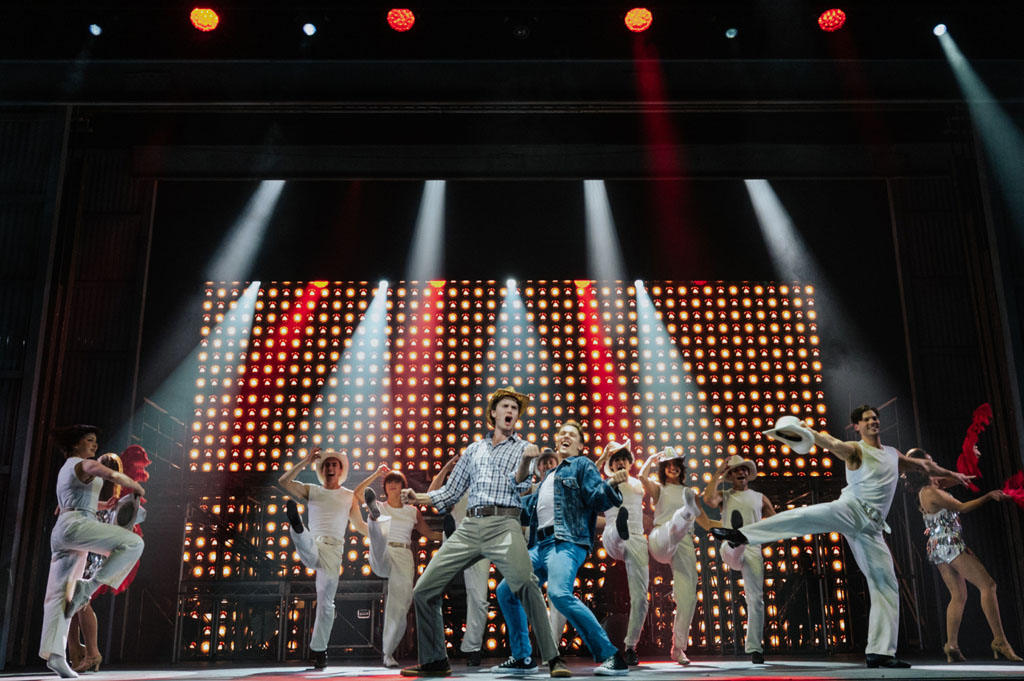
Footloose’s sound is an icon of 1980s pop music, and the very first song performed in the show is Kenny Loggins’ smash hit title track. “When that’s the first song, with its drums driving the opening, you need to feel the energy from the word go,” says Ben. “The show needs to feel full, clear, and impactful. Given the nature of the ’80s music in the show, the system has to help the audience connect with it. It has to be an experience for the audience to get on board; otherwise, it feels like they’re watching TV. That’s my whole philosophy with theatre sound design; it has to help engage the audience and not just be an accessory to what’s happening on the stage.”
With the physical and philosophical details of what was required set out, Ben decided to finally take up a long-standing offer to test the JBL VTX A Series. “Peter Kubow from JBL distributor MadisonAV has been offering me the opportunity to test a demo rig for some time,” confirms Ben. “It felt like the perfect opportunity to try the rig in a practical environment, rather than simply playing tracks with the PA hanging in a car park.”
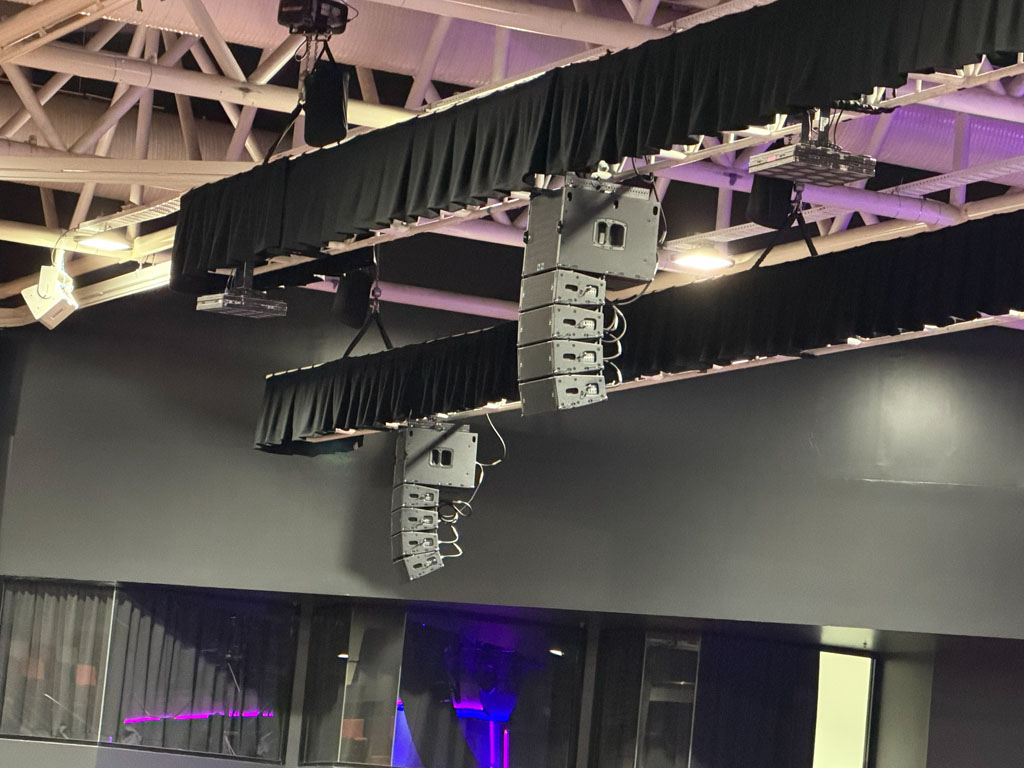
Working with Peter and JBL’s Venue Synthesis 3D acoustic simulation software, PQI designed a system comprising 20 A8 line array elements, 20 A6 line array elements, eight B18 subwoofers and four B15 subwoofers. Eight A8s were used left and right, with four A8s as a centre cluster and four A6s as front fill, all covering the flat-floor section of the auditorium. The delay trusses were four hangs of one B15 with four A6s, covering the elevated seating.
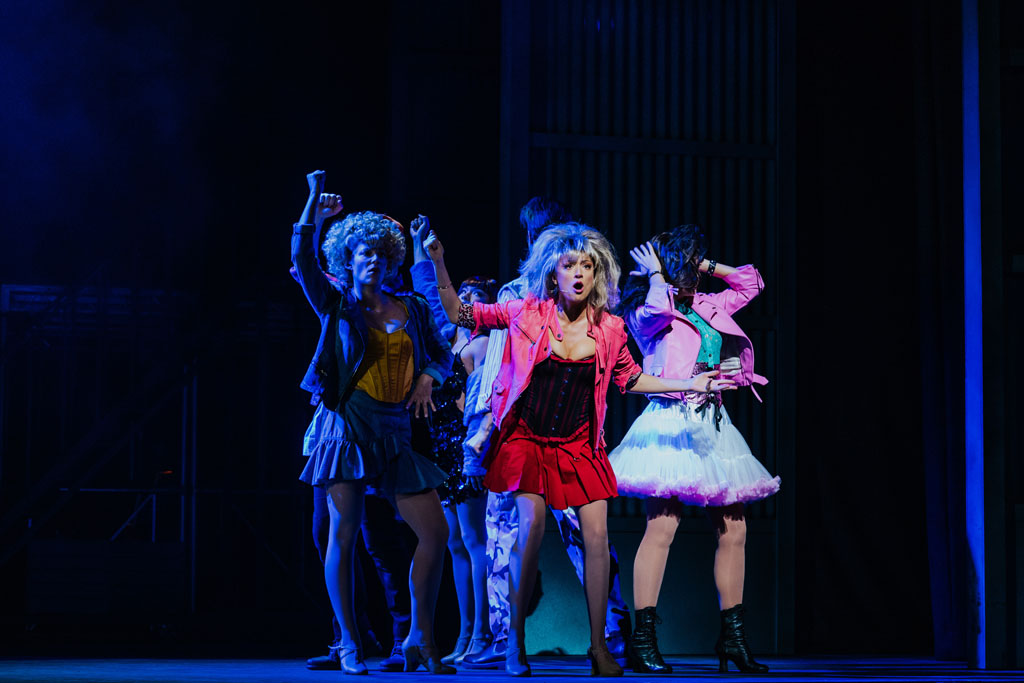
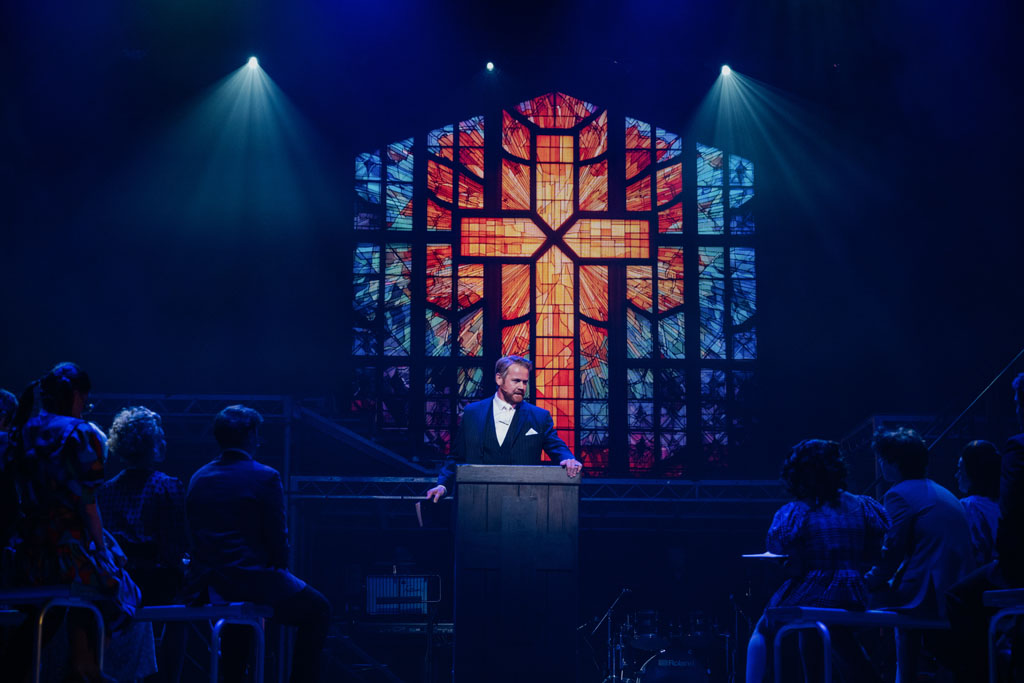

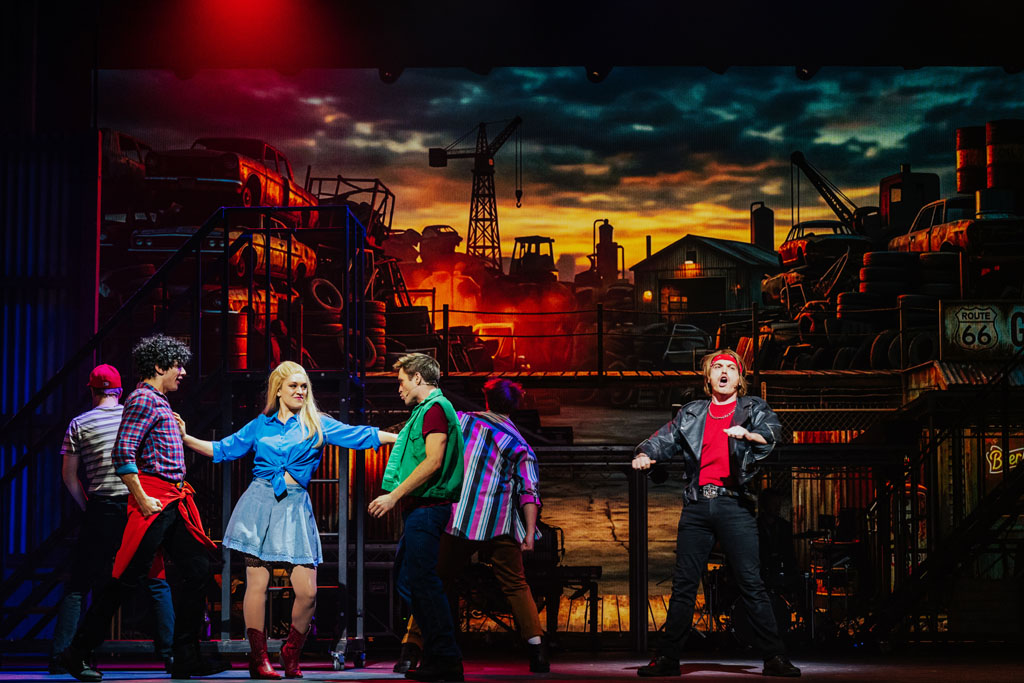
With the plan in place, PQI bumped in and flew the rig: its first hands-on experience with VTX A Series. “First of all, I can’t say enough good things about the flying hardware,” testifies Ben. “It went up easily and simply worked. Of all the PAs we’ve worked with over the last couple of years, this one has been by far the easiest to fly. The Venue Synthesis software was easy to use, very detailed, and allowed us to build the configurations we needed before exporting seamlessly into JBL’s Performance Manager software. The integration between those two software packages is quite good.”
With the PA in place, it was time to tune and optimise. “We turned it on and ran a SMAART trace over it,” continues Ben. “We took one look at the trace and the phase and thought, ‘What else can you do with that?’ It was basically flat. There wasn’t much more you could do, or much more you could wish for, when you’ve got that kind of performance straight out of the box.”
Looking good on paper and on screen is one thing, but how did it sound in reality? “Very good,” relates Ben. “I was genuinely impressed. The directionality was surprising, particularly the pattern control. The moment you moved out of the coverage zone, you definitely noticed it. The system is precise, with plenty of clarity, punch and warmth. The A8, in particular, feels like the sweet spot in the range.”
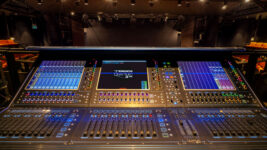
PQI mixed the show on an Allen & Heath dLive S5000 with a DM48 MixRack, paired with DX32 I/O racks and Dante cards. Inputs included 36 channels of Sennheiser EW-DX radios with DPA 4066 headset microphones, while the band monitoring system used Allen & Heath ME-1s. PQI provided all CCTV for conductor cameras and stage view, and sub-rented Riedel Bolero wireless comms. Backline included QLab rigs, the main stage keyboard rigs, a Roland VAD516 electric drum kit, and Yamaha CP88 keyboards.
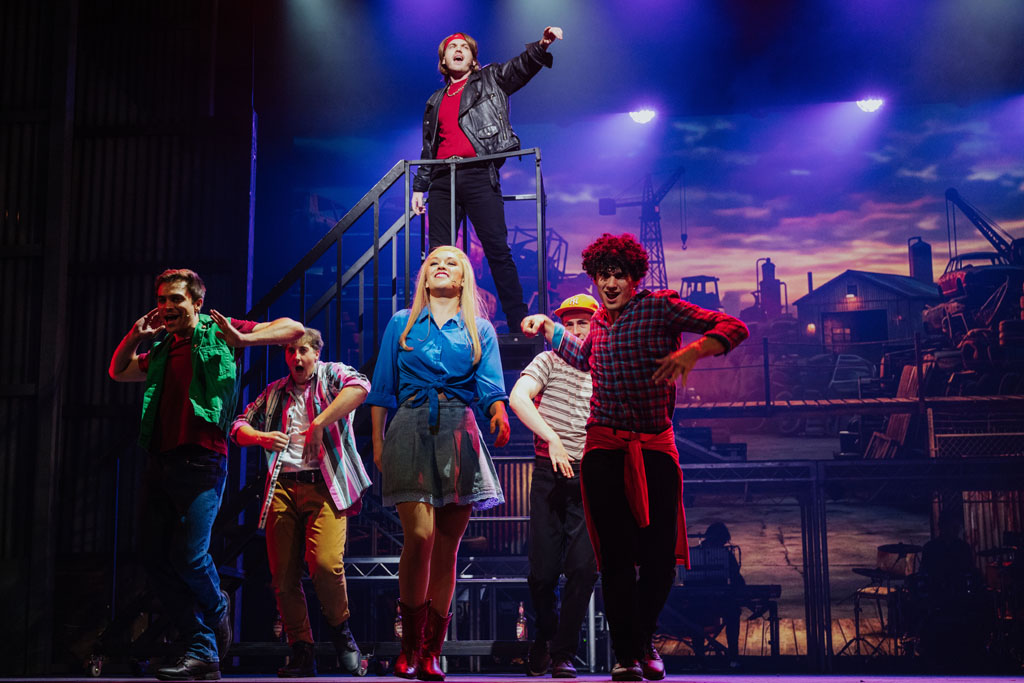
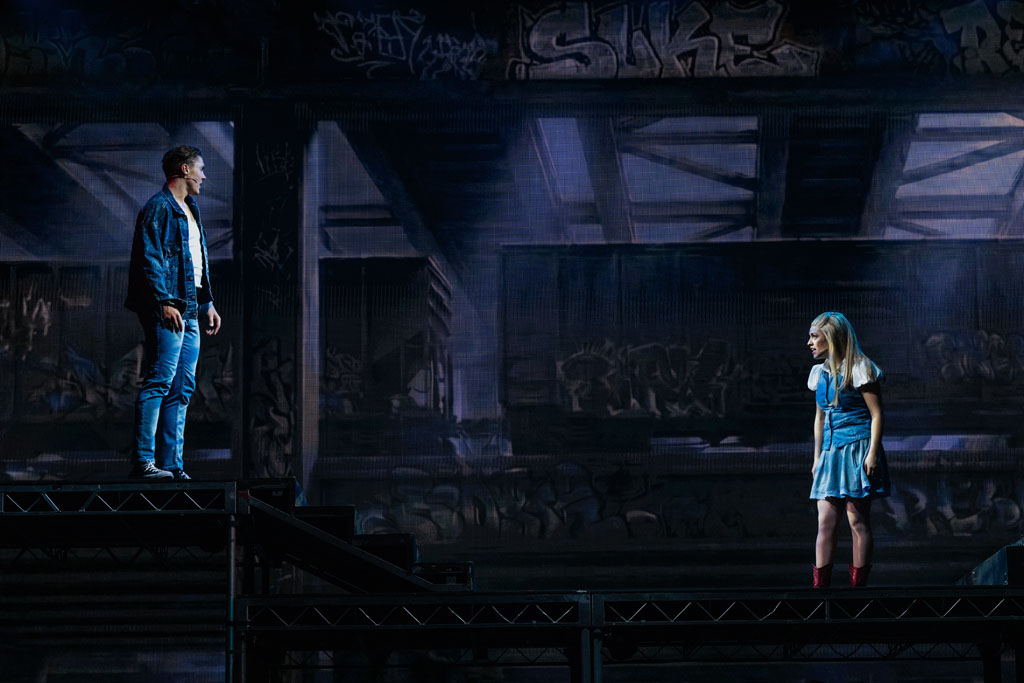
Ben now has real-world experience to inform any decision about a larger line array purchase in the future. “I was surprised by how easily JBL VTX A Series went together, how good it sounded out of the box, and how little I had to do to get the sound we wanted, especially given the short turnaround time in Canberra. This is definitely not the JBL of 20 years ago, or even 10 years ago. The product has matured. It doesn’t sound like everyone expects JBL to sound. It was a surprising, enlightening and eye-opening experience.”
Subscribe
Published monthly since 1991, our famous AV industry magazine is free for download or pay for print. Subscribers also receive CX News, our free weekly email with the latest industry news and jobs.