UK / NZ
1 Dec 2025
Lessons from the Frontline of Festival Survival
Subscribe to CX E-News
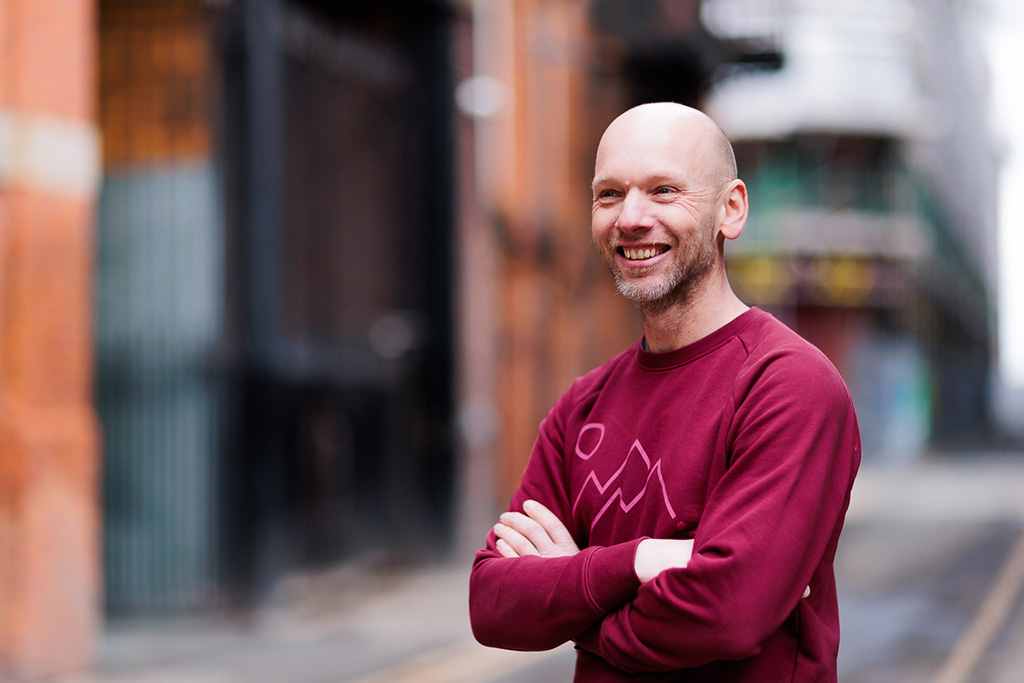
John Rostron, CEO of the UK’s Association of Independent Festivals, on cost pressures, cancelled events, and what the UK experience offers Aotearoa.
John Rostron is the Chief Executive of the Association of Independent Festivals (AIF), the UK’s trade body dedicated to independent festivals. He took up the role in November 2022. Prior to this John co-founded the Sŵn Festival in Cardiff, and the Welsh Music Prize, held leadership roles in the independent promoter sector, and has deep roots in festival and music industry advocacy. Based in North Wales, John is now working with UK festival operators to steer the sector through an era of unprecedented cost pressures, shifting audience behaviour and supply chain disruption.
Q: You came into the AIF role in late 2022. What were the big pressures then – and what are they now?
A: “In 2022 many festivals were just starting to deliver their first events post COVID. At the same time, the UK was dealing with the impacts of Brexit. Combined, those two disruptions caused enormous upheaval. Costs had soared due to broken supply chains, and there was increased friction importing gear and talent from Europe. Audience behaviour had also changed dramatically. People were hesitant to commit, even after buying tickets.
I heard about a 1,500 capacity event that sold out, yet a third of the crowd didn’t turn up.
Now, most of those behavioural quirks have flatlined. But the costs remain high and margins are tight. What’s really changed is that independent festivals now have to pay for almost everything up front, from staging to artists to toilets. And that’s without the cushion of pre-pandemic cash flow or ticketing advances. The big corporate players can shoulder those costs; independents can’t. So it’s not just a matter of higher costs, but the timing of cashflow that’s killing events.”
Q: Can you expand on how audience behaviour has shifted? What surprised you most?
A: “The most curious thing was this rise in ticket holders not turning up. Not just for a few shows, but at scale. It became clear that people had lost the habit of going out regularly and there was a newfound hesitancy. One case that stuck with me involved a mother telling me her daughter refused to go to a festival at 19 because she’d first attended it at 16 and now saw it as a ‘younger person’s’ thing. That kind of brand perception gap wouldn’t have emerged if those in between years hadn’t been wiped out by COVID. The social rituals of festival going were broken.”
Q: How many cancellations have you seen this year and what happens when a festival folds in the UK? Who loses out?
A: “This Summer was healthy, but even so, we had 43 cancellations, still higher than 2023. As for the impact, it really depends on the setup. We try to encourage ‘good closures’ – ones where ticket money is protected and key suppliers are paid something. Eldorado Festival last year was a textbook example of how to shut down well: clear communication, respectful timelines, transparency.
Usually, ticket holders are well protected. Suppliers and artists are often okay too, as deposits are now standard. But freelancers? They’re the ones most at risk. They often work without contracts, and when a festival collapses, they’re left with nothing. It’s not malicious; it’s just that in the rush, no one sorted the paperwork. We’ve seen freelancers burned because they were at the bottom of the food chain when liquidation hit.”
Q: What kind of changes are you trying to drive around that?
A: “One of my personal missions has been connecting more deeply with the freelance community. It wasn’t easy at first, freelancers don’t have a central body like festival organisers do. There are a few Facebook groups, a couple of unions, but no unified voice. We’ve started working with a core group now, and we’re trying to build consensus around two things: contract templates and rate transparency. Everyone wants to do the right thing, but they’re time poor. If we can provide easy tools, it’s more likely to happen.
Freelancers often don’t know what to charge. Festivals often don’t know what to pay. There’s no benchmark. We want to change that with tools that make it easy for everyone to do the right thing. We’re also pushing festivals to formalise contracts earlier. Because the truth is, cancellations and postponements aren’t going away. And the only way to protect the people holding the show together is through proper paperwork.”
Q: You’ve spoken about a “credit squeeze” for suppliers. What does that look like on the ground?
A: “It’s difficult. Before, suppliers might have delivered services and invoiced later. Now, credit is hard to get so using a loan to buy equipment or warehousing is often off the table. They have been asking for 50-100% upfront and that shifts the risk entirely onto festivals.
We have noticed recently that companies who have ‘skin in the festival game’ are softening their terms. I think they are realising if they play hard ball it’s actually no good for anybody. It’s about rebuilding trust and giving festival organisers better margins because that’s what they need to get to show day.”
Q: You mentioned AIF is looking at new ideas around volunteers – what’s that about?
A: “We’re trying to pilot something with volunteers that we’ve been wanting to do for ages. Right now, if you want to volunteer at a festival, you usually have to pay a deposit. So, say you’re going to five different independent festivals, that’s five separate deposits. And that can be a real barrier for some people.
What we’re exploring is a system where, if all five festivals are AIF members, you’d only need to pay one deposit. You’d go to your first event, check in, do the work, and then that deposit would transfer to the next one, and so on.
It also has a secondary benefit. If you sign up to volunteer for one event and then see a network of others through the same system, you might go, ‘Oh, I’d like to go to those too.’ It could support both volunteer retention and festival discovery across the independent scene.”
Q: Beyond supporting festivals in crisis, what kind of policy or advocacy work is AIF focused on right now?
A: “We’re focusing on a proposal for something we’re calling Music Festival Tax Relief. There are already creative industry tax reliefs in the UK, for theatre and orchestras and the like. The government recognise that putting on a show involves big upfront costs before you sell a single ticket. You’re hiring actors, rehearsing, building sets. Those models get tax relief on that early-stage investment. But music festivals don’t have anything like that, and we think they should.
So we’re asking for something similar: a 45% relief on 80% of eligible spend, aimed at grassroots festivals under 30,000 capacity. It could help mitigate closures and allow smaller festivals to grow. We’ve written a paper and it’s already been in to government a few times. We’re preparing a big campaign around that for next year.”
Q: Anything else on the horizon?
A: “We’re also slowly developing a proposal that every 18-year-old should get a £300 festival voucher. It exists in other forms across Europe. France, Spain, Italy, Germany all have some version of a cultural pass. But the issue with broad cultural passes is that the money often goes offshore. People spend it on Spotify, Amazon, Kindle – the platforms, not the creators. Whereas with festivals, especially independent ones, the money largely stays local; local crew, UK production, UK artists.
Even when international artists headline, the leakage is far less than with tech platforms.
And when someone goes to a festival, they’re not just hearing music, there’s literature, comedy, wellness, visual arts. It’s a holistic cultural exposure. That’s how we’re framing the argument. It’s not just a good experience, it’s economically sensible and artist-supportive. We’ve got a roadmap to get there, and now it’s a matter of time and persistence.”
Q: Have there been any unexpected upsides or innovations emerging in the UK scene – particularly around hybrid models or new ways of operating?
A: “Yeah, definitely. One thing that’s really taken off post-pandemic is payment plans for tickets. That used to be a fringe option; now it’s the norm. It spreads risk, helps affordability, and gives festivals more forward visibility.
If people are setting up new events, they are much more likely to be single day city-based festivals.
They are logistically easier and you are not competing with established greenfield festivals, just with other weekend options such as watching football or staying at home gaming. Clubs are also in decline. Today the social media aspiration for audiences wanting to dance to electronic music is an outdoor show so we are seeing a rise in the one-day format and electronic music. Britain is becoming a nation of ravers again.
We’re also starting to see some really interesting experiments from the independent scene. For example, there’s a group called the Chai Wallahs. They usually operate a tent at festivals that’s known for 24-hour music, chai, and great vibes. But because budgets have been tightening, they were getting cut from line-ups. So what have they done? They’ve decided to start their own festival. It’s called ‘Where It All Began’, and they’re launching it as a kind of community trust, not-for-profit model. They’ve just kicked off a crowdfunding campaign to raise £100,000. Last I checked, they’d raised £28,000 in a week. It’s not ticket sales, it’s a crowd-powered pre-investment in something people already care about. That’s a big shift.
Another one coming is ‘Show of Hands’. It’s led by someone who was involved in Truck Festival, and it’s built around the idea of democratising the festival. It’s literally giving people a say in the running of the event. That’s baked into the structure.
And we’re seeing a more general shift too. The biggest takeaway this season is that festivals rooted in a community, where people feel they belong, and their feedback matters, are doing really well. They’re the ones selling out early, growing next year, building resilience. If your festival is just artist-led, like you’re hoping the line-up sells the tickets, you’re in trouble. But if your community is saying, ‘we want more showers, or a run club, or a 24-hour tent,’ and you listen to that? You’re gold. That’s the real pivot. It’s not about booking bigger names. It’s about deepening the experience.”
Q: What advice would you give to production companies, suppliers, and the technical crews who are trying to keep festivals alive?
A: “I think production and supply companies are in a really tough spot. On one hand, Live Nation or other big players might be their biggest client, they can offer volume, consistent work, big paydays. But here’s the threat: once those companies hit scale, they often just buy the infrastructure outright.
We’ve already seen it – Live Nation buys an accreditation software firm, suddenly the independents in that space are done. Last year, they bought a load of toilets and the toilet supplier was out. The next could be fencing, staging, AV gear. So if you’re fully dependent on them, your days are probably numbered.
My advice is: build a mixed portfolio. Sure, take the big jobs, you need the cashflow, but don’t put all your weight behind them. Keep working with independents. Because if independent festivals collapse, your market diversity disappears. If you’ve only got one customer left, you don’t have a business, you’ve got a countdown clock.”
Q: What can suppliers actually do to support the independents?
A: “Some suppliers in the UK came together and did something brilliant. They helped set up a Fallow Festival Fund. Basically, if a festival had to take a year off, suppliers would come in and say, ‘We’ll give you this software for free,’ or, ‘We’ll offer staging at a steep discount for your comeback year.’
They couldn’t do it forever, of course. But for that one crucial season? It helped festivals return. That’s smart business. You’re protecting your future pipeline, and you’re helping maintain a counterbalance to the major corporates.
It’s not just altruism, it’s strategic. If independents go, the whole supply ecosystem gets swallowed. So the challenge is to earn a living while actively helping that independent layer survive.”
Q: Despite all the challenges, what gives you hope for the future, especially when it comes to independent festivals?
A: “Oh, I’ve got loads of hope. For one, sales have been strong. Even though margins are tough, we’re not seeing a dip in demand and that’s huge. Early bird tickets are selling at record levels. People want festivals. They’re booking early. So it’s not a case of declining interest; it’s just about making the maths work. And that’s a much better problem to have.
But what really gives me hope is the experience itself. I went to a load of festivals this year, and every time I’m reminded: there’s nothing like a weekend camping festival.
Nothing. You forget how special it is until you’re back in it. It’s not just a break from routine, it’s stepping into another world. No screen time. No TV. Just people, music, connection.
The experience is better than it’s ever been, creatively, technically, atmospherically. I used to think showers didn’t belong at festivals. But now I think, ‘Yeah, showers are great.’ You can be clean, eat amazing food, go to a gong bath while Kae Tempest is playing. That’s a real thing that happened. It was glorious.
There’s so much range and possibility now. You can lose yourself completely or find yourself doing something unexpected. I genuinely believe it’s one of the best experiences you can have. And here’s the kicker, in a world where everyone’s watching Netflix, the best way to save the planet might be going to a festival. Low-carbon, high-impact. I love that. That gives me joy.”
Subscribe
Published monthly since 1991, our famous AV industry magazine is free for download or pay for print. Subscribers also receive CX News, our free weekly email with the latest industry news and jobs.