News
17 Jun 2026
Meyer Sound Powers Kai Harada’s Tony-Winning Sound Design for Ragtime
Subscribe to CX E-News
A Conversation With the Winner
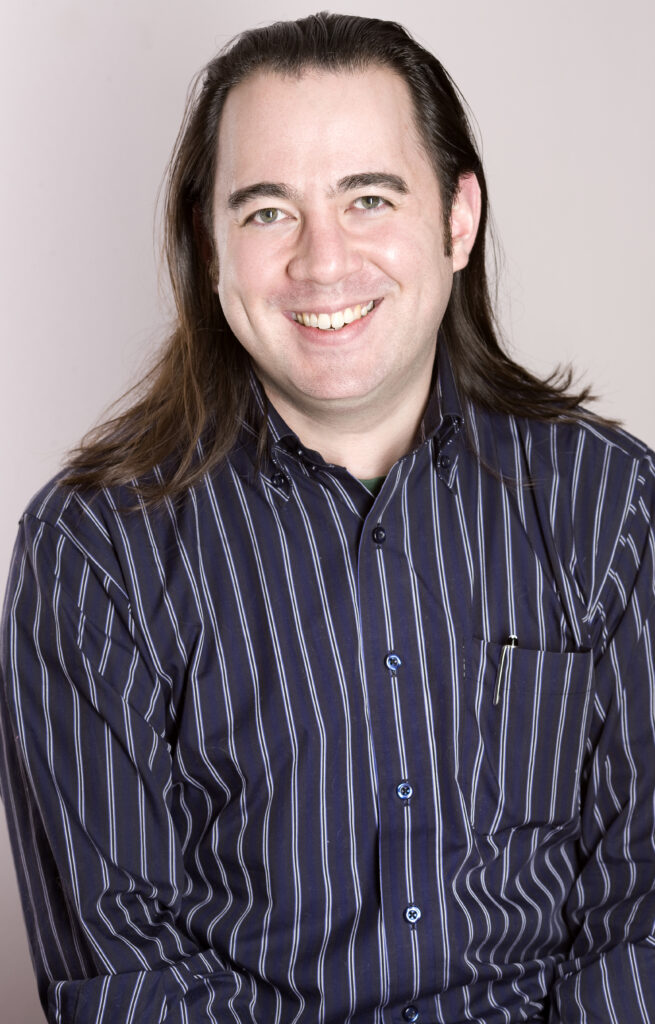
At the 79th Annual Tony Awards, held June 7 at Radio City Music Hall, sound designer Kai Harada found himself in an enviable and, by his own account, slightly terrifying position: nominated in the Best Sound Design for a Musical category for two productions, both supported by Meyer Sound systems. When his name was called for Ragtime, the Lincoln Center Theatre revival running at the Vivian Beaumont Theater, everything happened so fast that in the blur of the moment, he didn’t process which show had won. With 90 seconds on the clock and the stage lights blazing, he did the only reasonable thing: He asked.
The moment became one of the night’s most talked-about: unscripted, endearing, and characteristic of a designer who lets the work speak for itself. It marked Harada’s second Tony win, following The Band’s Visit in 2018, and capped an extraordinary season in which he was nominated twice, for Ragtime and Cats: The Jellicle Ball, both built on Meyer Sound systems. Meyer Sound spoke with Harada about his work on Ragtime, the particular challenges of the Vivian Beaumont, and the role Meyer Sound played in realising his vision.
Your acceptance speech was pretty memorable. What was going through your mind up there?
I was really hoping it wouldn’t come off as pretentious, like some super-duper flex that didn’t need to happen. I genuinely didn’t know what I had won for. But later Daniel Radcliffe said it was charming, so I figured, if Daniel Radcliffe accepted it, it’s good.
You were nominated for two very different productions—Ragtime and Cats: The Jellicle Ball—both using Meyer Sound systems. How do you shift your design thinking between a sweeping period revival and something as abstract as Cats?
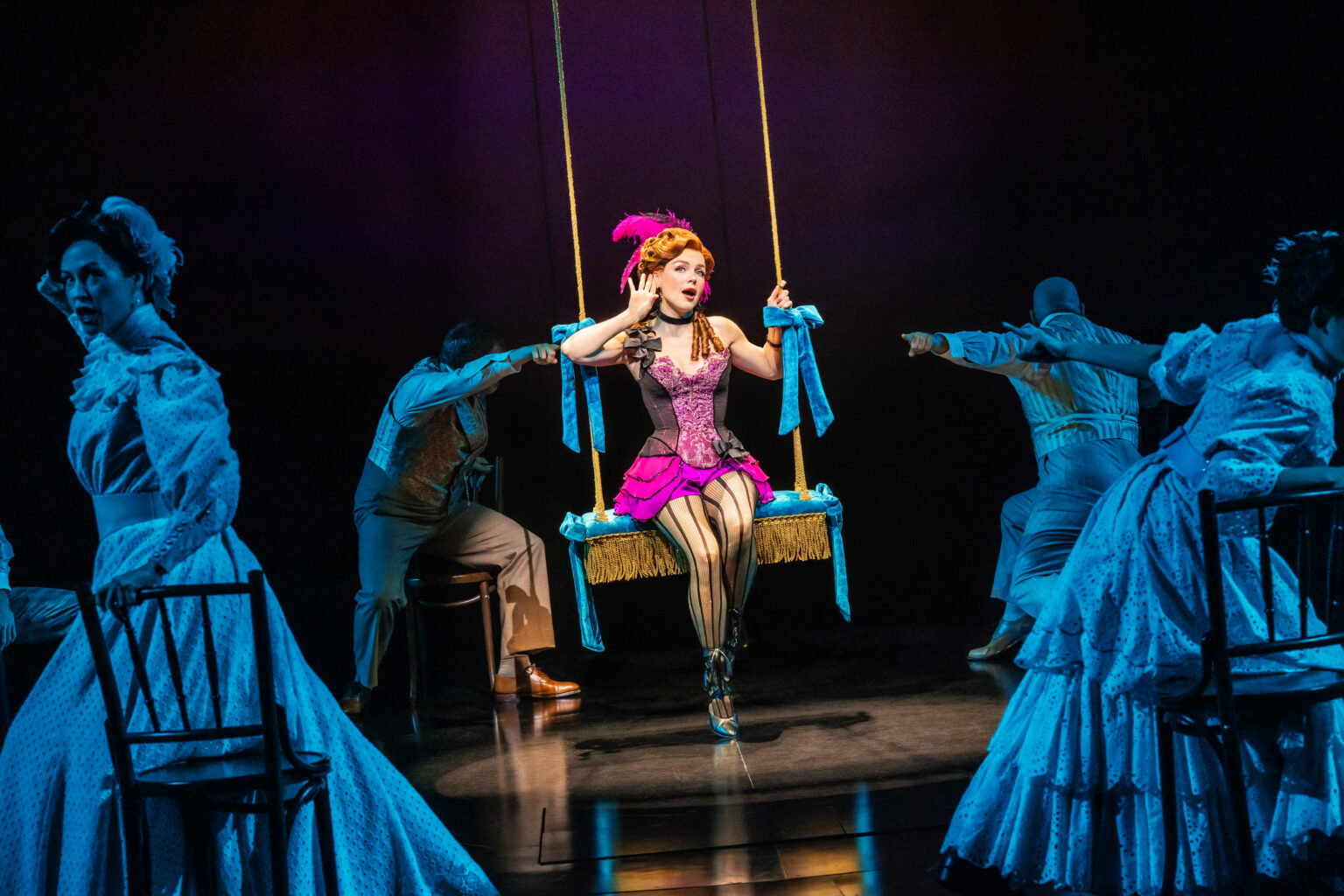
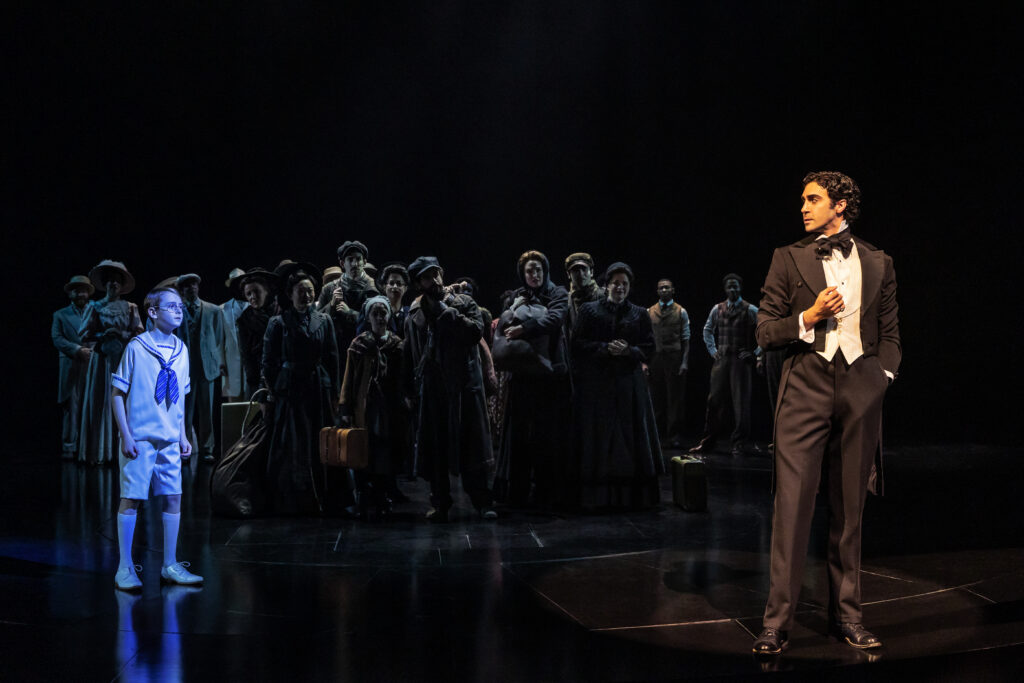
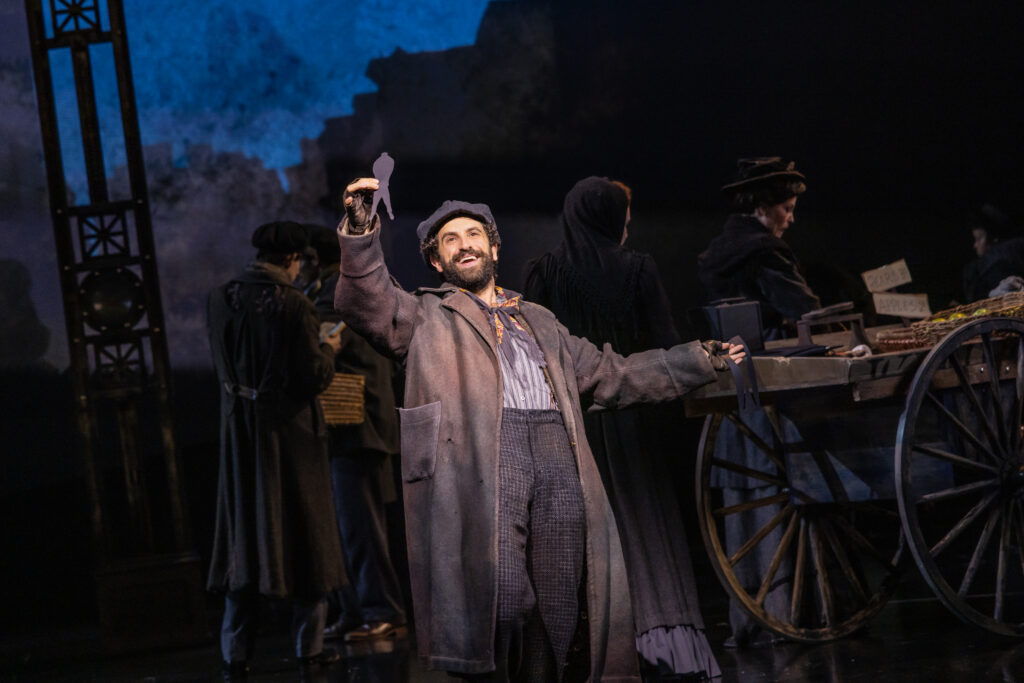
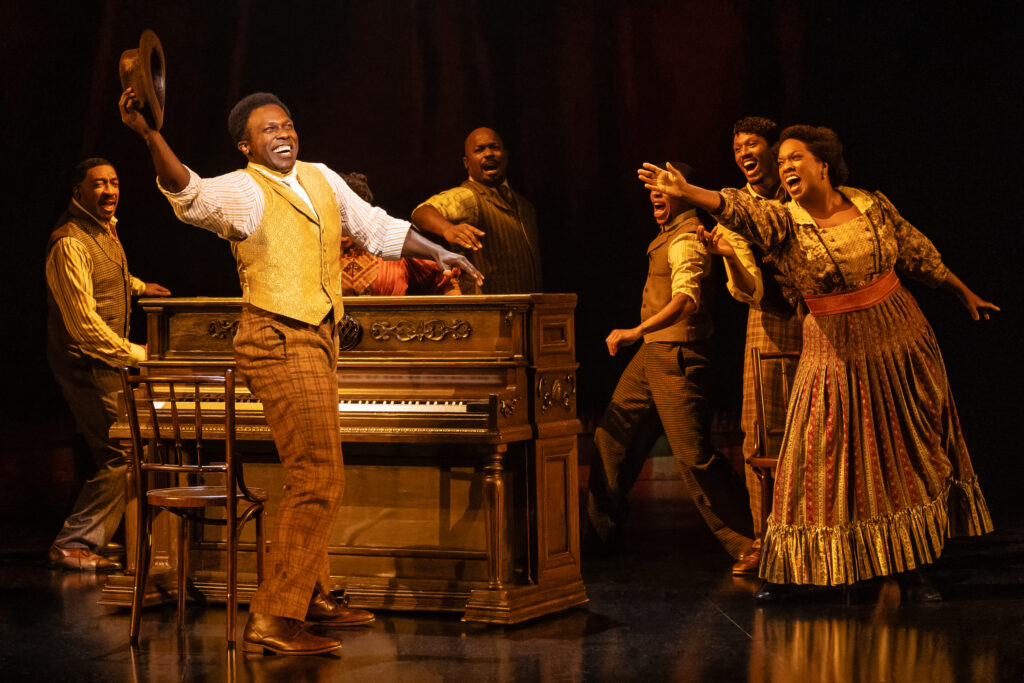
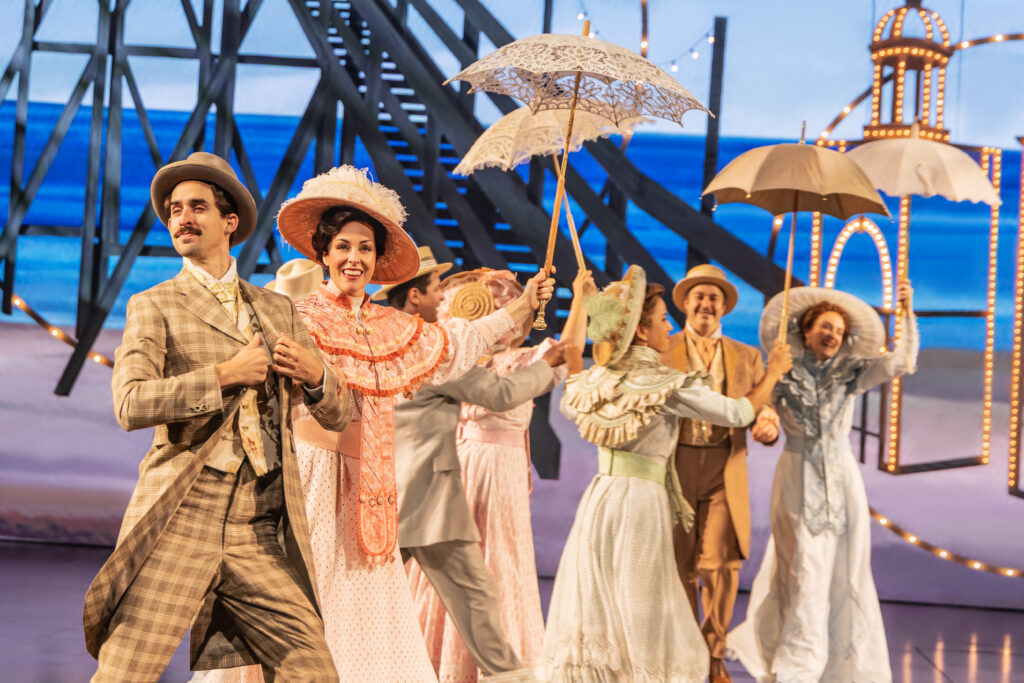
So much of what I have to determine first is coverage and speaker location, which sounds boring, but there’s a lot of creativity involved and a lot of integration discussion with other departments. The Vivian Beaumont is a three-quarter thrust, and the only other show I’d designed there was a Mike Birbiglia comedy: Mike on a headset mic and some playback. With Ragtime , I didn’t really know what an ensemble of 30 would sound like acoustically in that space, or what 28 musicians in the pit would do. I took intel from that previous show, talked to the house crew, held my breath, and put the system together knowing we’d want some localisation and the ability to do delay matrix work for actor positioning. I also knew that the theater itself sounded good, and that’s always a key piece of information: if I don’t have to try and fight the room, we’ll already be ahead of the game.
How did the Meyer Sound system come together?
I absolutely knew I was going to use ULTRA-X40s. The linearity of the ULTRA-X40 point source is just second to none. I sometimes think, is that cabinet even on? It just sounds really transparent, and that’s exactly what I’m going for.
We ended up with 16 ULTRA-X40s total: ten covering the orchestra seating section in two rings, two reinforcing the orchestra itself, and two on the sides to help pull the imaging down for audience members seated far left or right. Six UPA‑2Ps cover the front of the balcony, and 14 UPM-1Ps handle the rear balcony and some onstage foldback. For the low end, we had two 750-LFC low-frequency control elements flown over the stage, two 600-HP units dedicated to sound effects—including a very specific explosion cue—and two 500-HPs closer to the orchestra pit. Front fills along the pit rail are 14 MM-4s. I always use Meyer SIM3 for system tuning, and on this show we used six Galileo GALAXY 816 processors, using five with one as a spare.
You had a unique application for the Galileo GALAXY Network Platform. Can you explain how that worked?
We created differently timed acting zones based on where actors are at any given moment in a scene, and the GALAXYs are what made it possible. There’s one song in particular where we have one character downstage left, one downstage center, one downstage right; and counterpoint is one of the hardest things to manage sonically if you don’t do any time differentiation between the characters. Each person is in a specific console subgroup timed to their area of the stage, so any audience member gets a sense of depth, space, and separation that you don’t always have. That was actually a reason to specify the GALAXYs over standard Galileos: the delay matrix function built into them.
Your philosophy keeps intelligibility at the center. For a show that opens with 30 cast members singing over a 28-piece orchestra, how do you hold that standard?
A lot of it comes down to mic position. My philosophy is: Get the P.A. sounding good and timed to itself so there’s even coverage throughout the venue, and when I put a microphone on an actor in a good location (i.e. center hairline), I should need almost no channel EQ on the console. It should just sound like the actor – I can achieve that with Meyer Sound.
Ragtime runs through August 16, 2026 at the Vivian Beaumont Theater at Lincoln Center. Meyer Sound equipment was supplied by Masque Sound. Harada’s team included associate designer Owen Meadows, A1/mixer Lukas Guilbeau, and A2s Charles Shell, Jack O’Brien, Colin Braeger, and Liam Coyle of the Lincoln Center Theatre sound team.
Subscribe
Published monthly since 1991, our famous AV industry magazine is free for download or pay for print. Subscribers also receive CX News, our free weekly email with the latest industry news and jobs.