LIVE
7 Sep 2026
Stephanie Lake Company’s VISTA
Subscribe to CX E-News
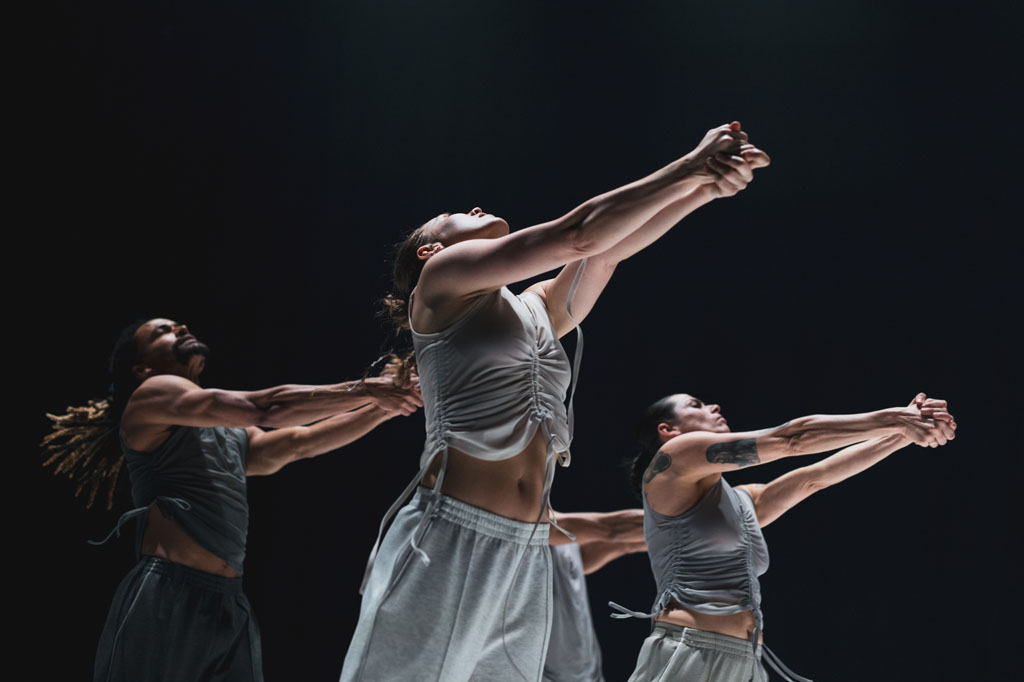
VISTA, a new work by contemporary dance troupe Stephanie Lake Company, premiered at Melbourne’s Malthouse Theatre in July. Helping to realise this contemporary dance work is Lake’s longtime collaborator, lighting and set designer Bosco Shaw.
Shaw describes VISTA as “a conversation from two different perspectives”. Rather than a show with two acts, the team is trying to depict the same work, seen from two different angles. “There’s this concept where everyone leaves the auditorium at interval and they return to a totally different space,” he says.
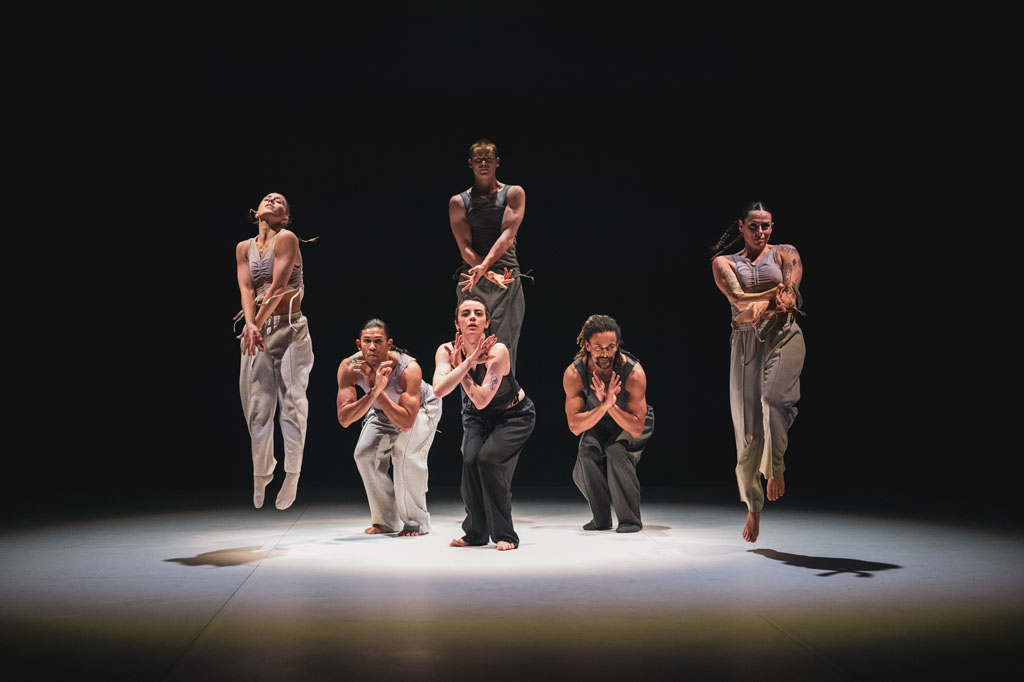
Helping to achieve this shift is a backdrop that will be rigged upstage during interval. Measuring seven by 11 metres, the collaged image of crumpled paper will create a landscape that Shaw describes as “the signature piece”. It’s several weeks out from bump-in when we speak and Shaw is still working on the design. After trialling AI to generate images, he was happiest with the results that came from photographing real pieces of crumpled paper. In order to produce the desired shadowing on the work, he is going to photograph the paper inside a model box that is lit from within. Once the photos are finalised, Shaw will use AI tools to upscale the pixel count to retain a crisp image once it’s printed to scale.
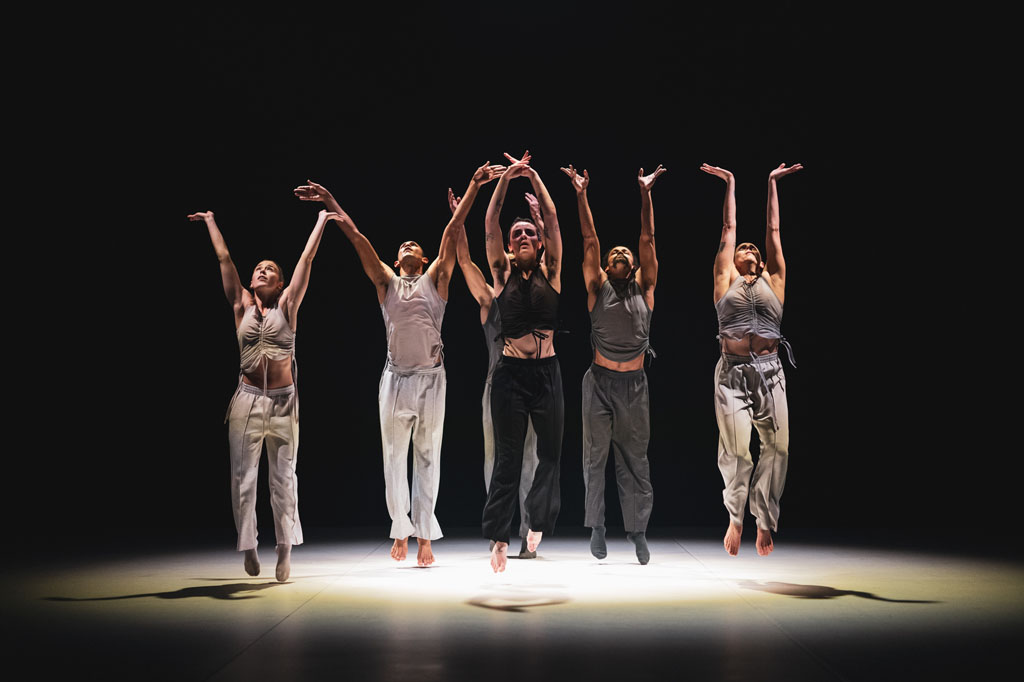
With a white floor that stays between both acts and no other set pieces, the remainder of the design shift will be achieved with light. When I read the description of VISTA, Act One unfolds in stark black and white, as a precise, razor-edged world of dualities … Act Two detonates into colour, refracting the same reality through psychedelic glass, I assumed the described colour shift would be driven by LED fixtures in saturated colours.
While they are touring a small moving light rig of twelve lamps, “probably Quantums, or something similar”, and will trial some LED cyc fixtures from Clearlight, the colour shift Shaw has in mind is predominantly of the old-fashioned kind.
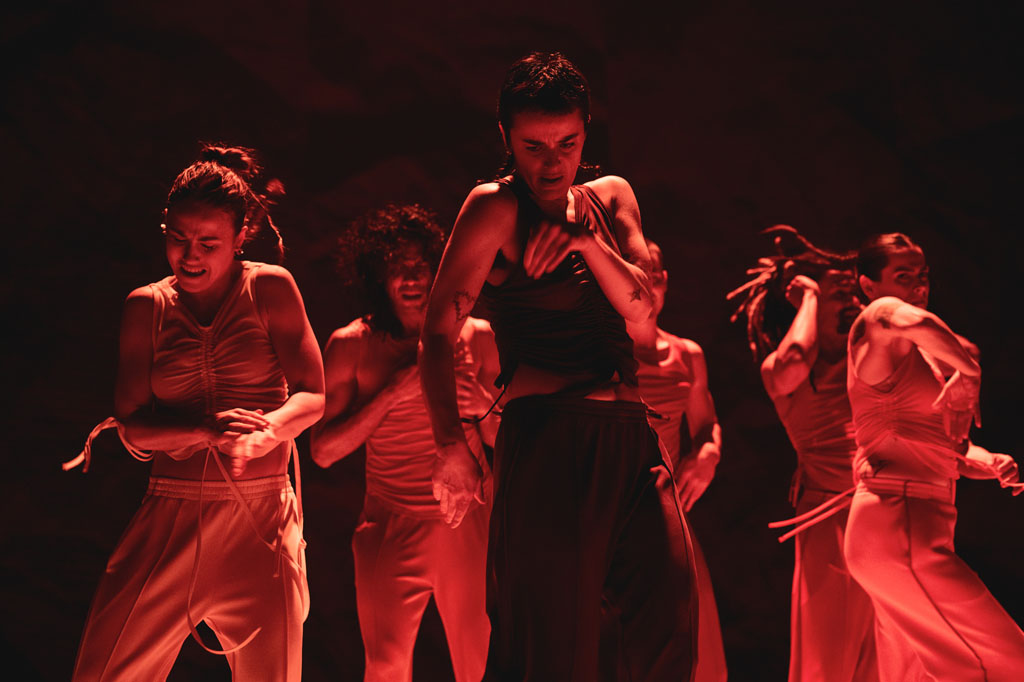
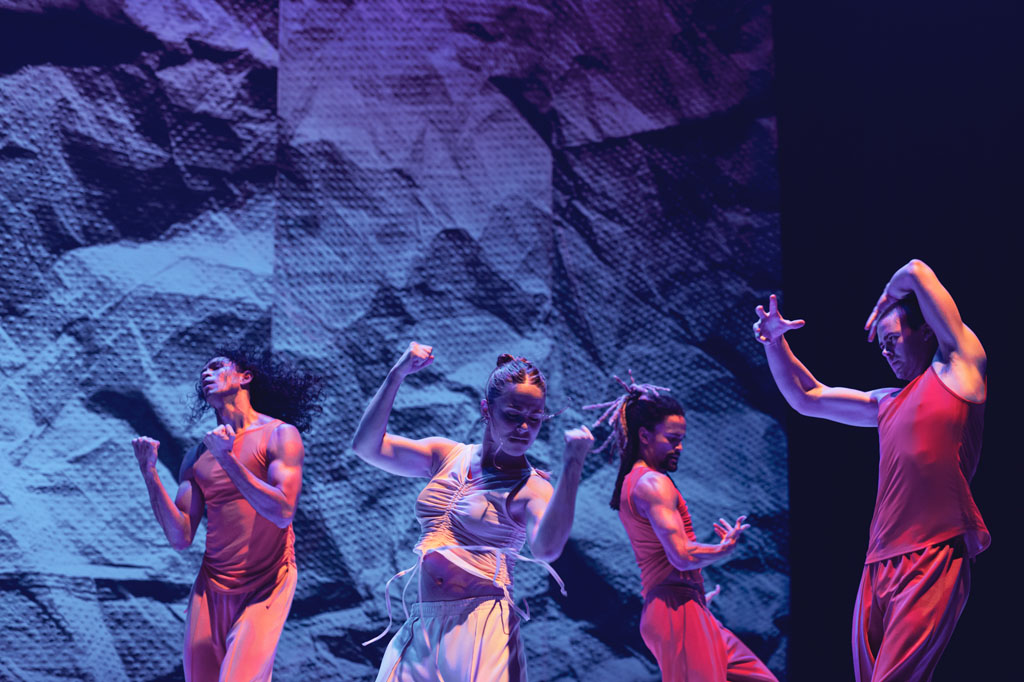
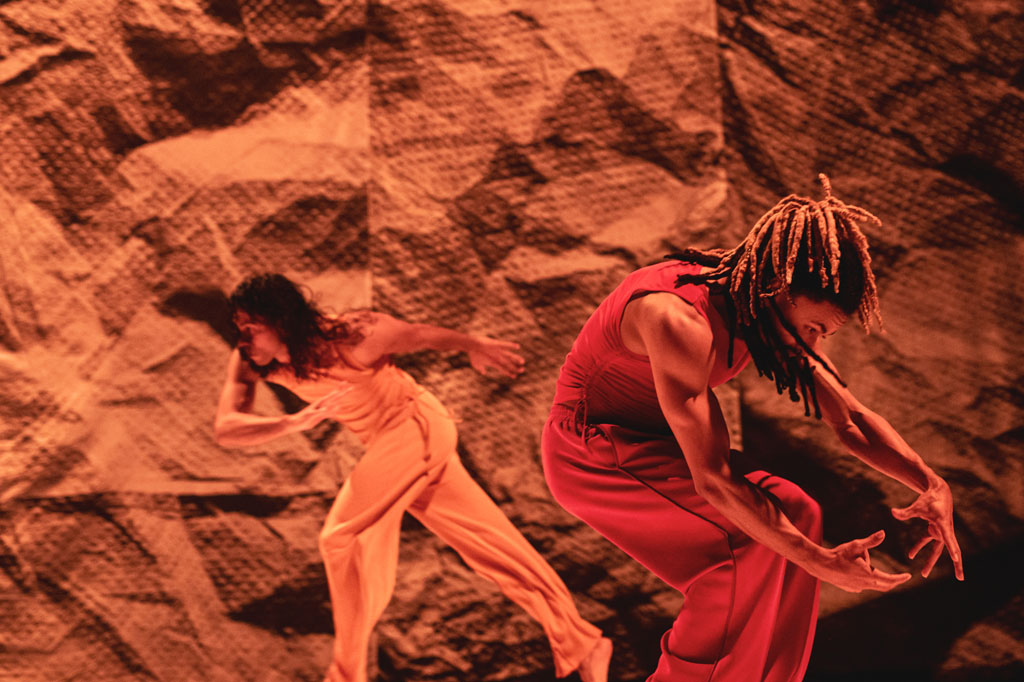
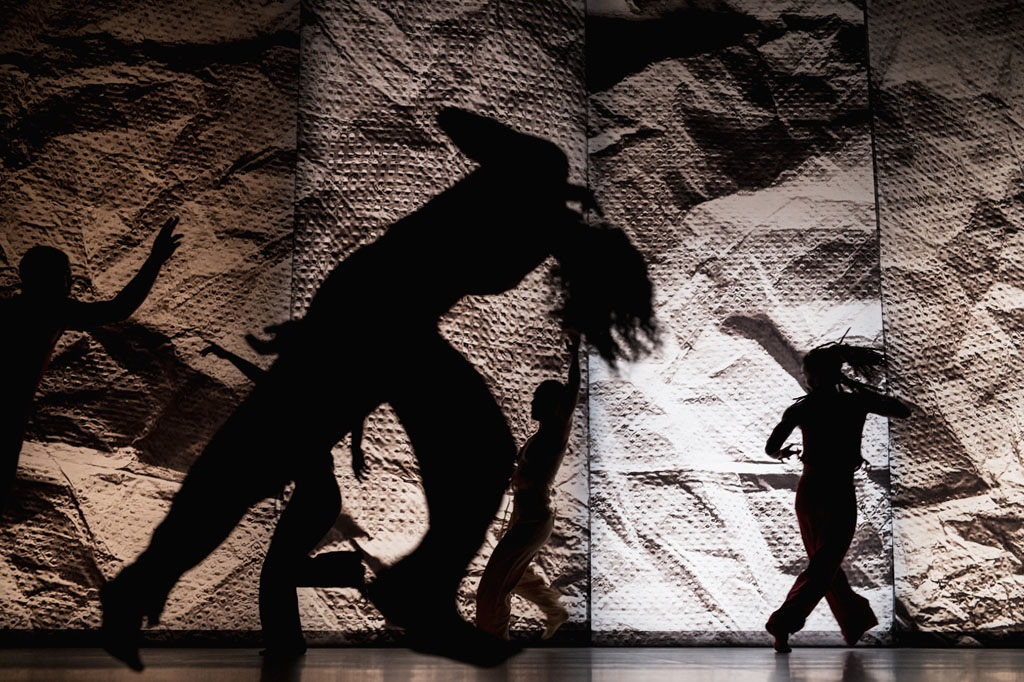
“From a lighting perspective, we’re looking at simple monochromatic colour tones,” he says. Cool and warm whites will be favoured in the first act and ambers and reds, like Lee colours 106 and 777 and Rosco 26, in act two. “The idea is that we can use pretty much anything that’s in the venue. It might not even be reliant on fixture type.” While Shaw admits it is somewhat of a “weird” exercise to not design with specific fixtures, it’s not an unusual method of working for him. “You go into a venue and go okay, you have twenty profiles and ten 2ks, let’s throw them all on two bars at the front and point them at the backdrop and see what it does.”
After its run at the Malthouse, VISTA will go on to Carriageworks in Sydney and then the Powerhouse in Brisbane and, hopefully, on to more venues in the future. This is one reason for Shaw’s reliance on unspecified conventionals. With the desire to keep touring costs down, it’s efficient to rely on venue stock, which is most reliably going to be some kind of conventional fixture. “It’s really stripped back compared to the shows we usually tour,” he says. “We will have flexibility with the moving wash. That’s how we will break up the space. The rest of the design is banks of light basically.” Shaw’s main design interests are in creating “banks of light” and also direction of light.
Over a prolific career, Stephanie Lake has created some larger scale shows such as Manifesto, which includes percussionists playing onstage with the dancers, and The Chronicles, which features a choir. This time around, producers are hoping to create a show that could be offered to a smaller venue. Typically, Lake’s dancers would use ten to twelve metres of depth. To make VISTA adaptable to different venues, they’re reducing the stage to seven metres deep. “The space has to be super compact, but have a high-impact shift from one half to the other.” While it is a challenging task, Shaw is embracing the limitations and excited to see what ideas come of them. “I want to do something interesting that fits the design aesthetic that we’ve built over time and the constraints that the producers want to put on that. I’m not battling that at all. It’s a really interesting exercise.”
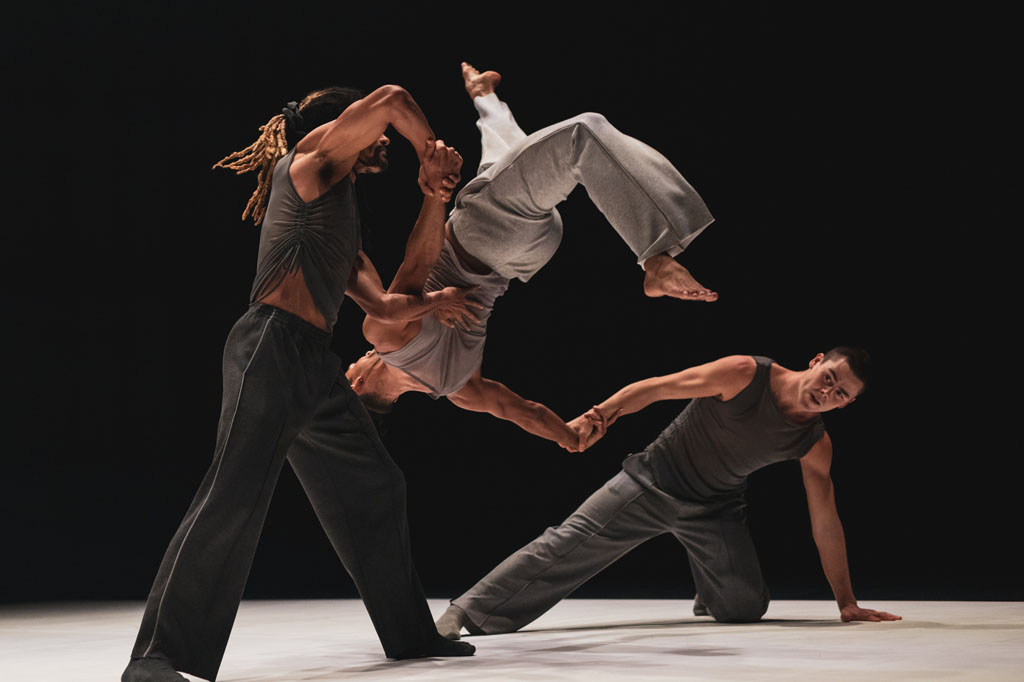
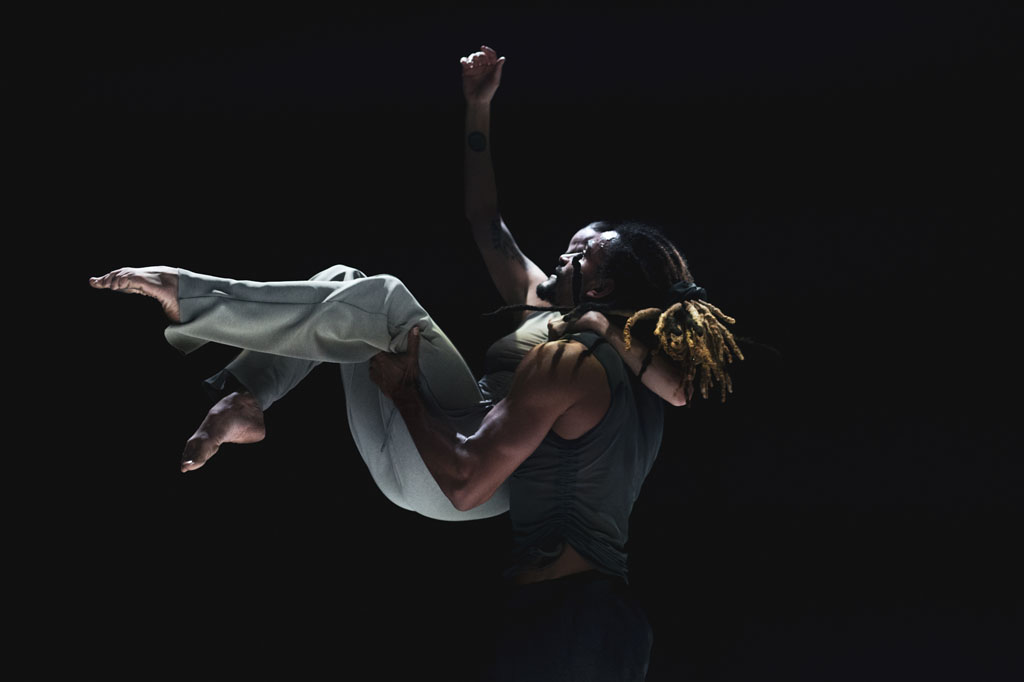
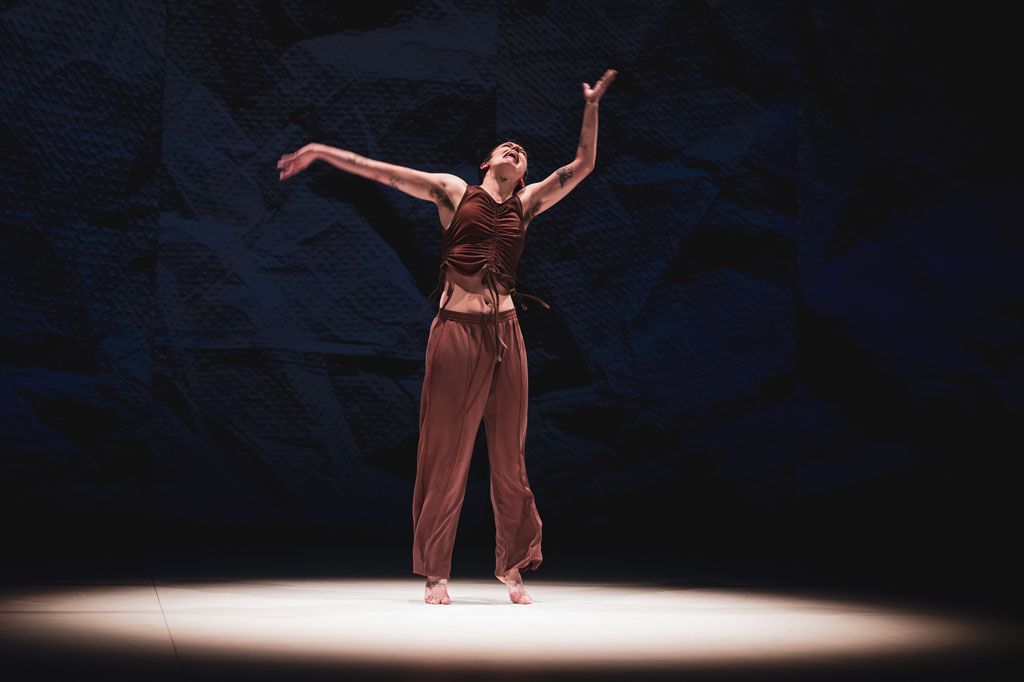
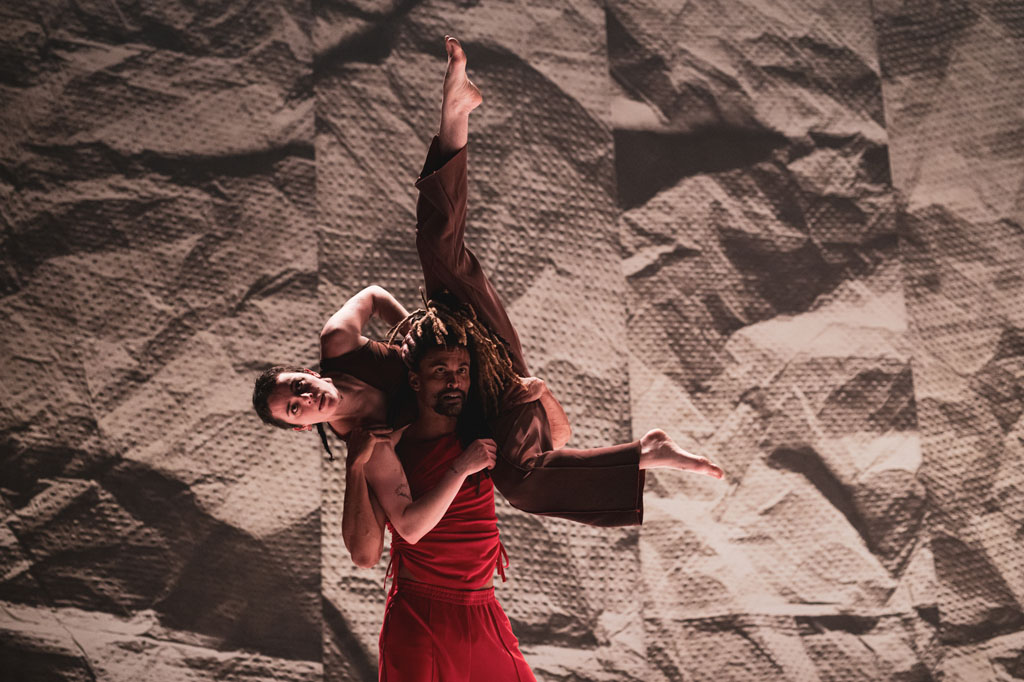
One such constraint is to not light from the side, which would surprise those who’ve been taught the function of side light in sculpting bodies on stage and the importance of that when lighting dance works. While Shaw concedes that booms would allow him to isolate dancers within the space, his days touring with shows taught him how time-consuming they can be to bump in. Also, and probably more importantly, Lake doesn’t favour side light. Shaw has been working with Lake for many years on many shows and only one show, The Chronicles, uses booms. The remainder either don’t have sides or, if they do, it’s one specific boom.
Dance has been at the centre of Shaw’s career as a designer. He was Tech Manager for the Australian Dance Theatre for ten years, working alongside Lighting Designer Damien Cooper. Once he relocated to Melbourne, he started designing work for Andrew Livingston and Ben Cobham (Bluebottle) and has since worked for Chunky Move and Lucy Guerin’s dance companies. Shaw and Lake were both in more emerging stages of their careers when they met. Shaw worked on Lake’s show, Double Blind, at Northcote Town Hall in 2016 and has since worked on just about all of her shows, including remounts of shows he did not originally design.
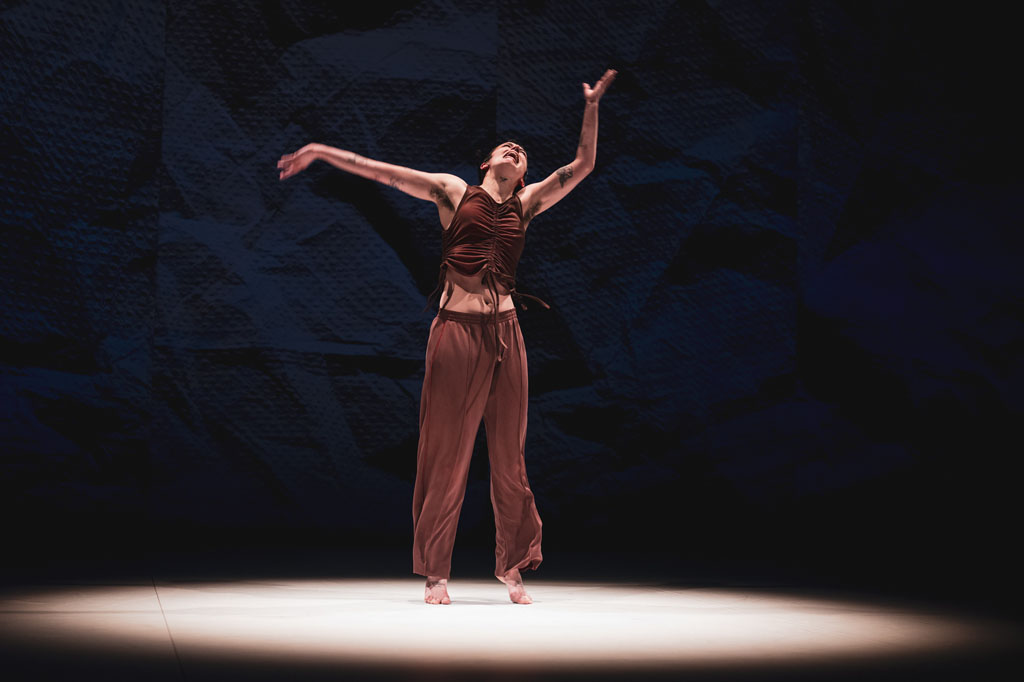
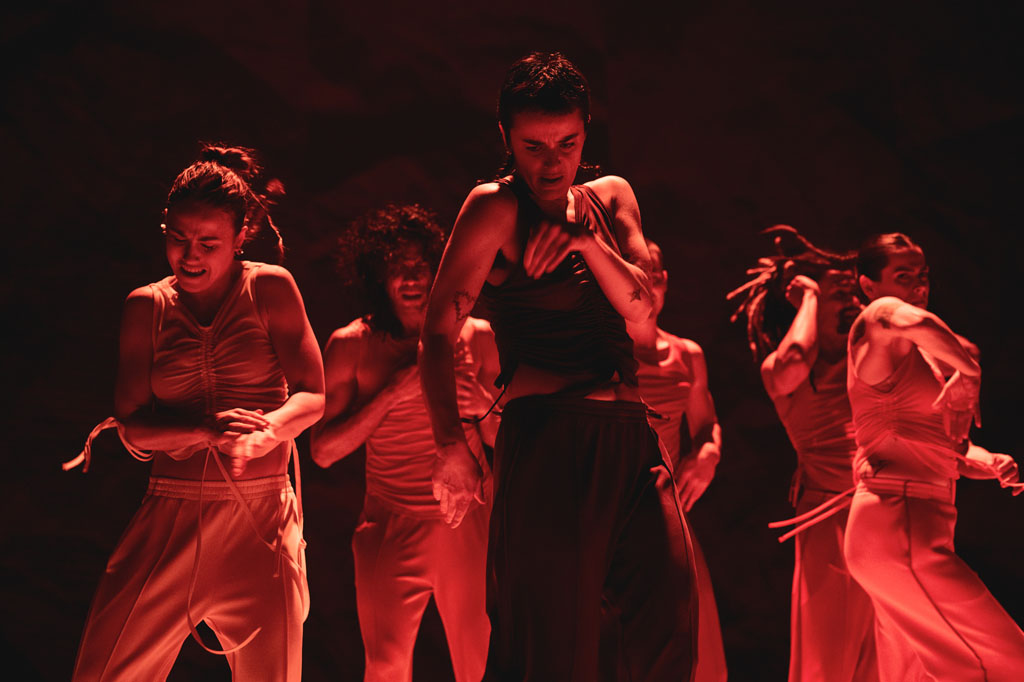
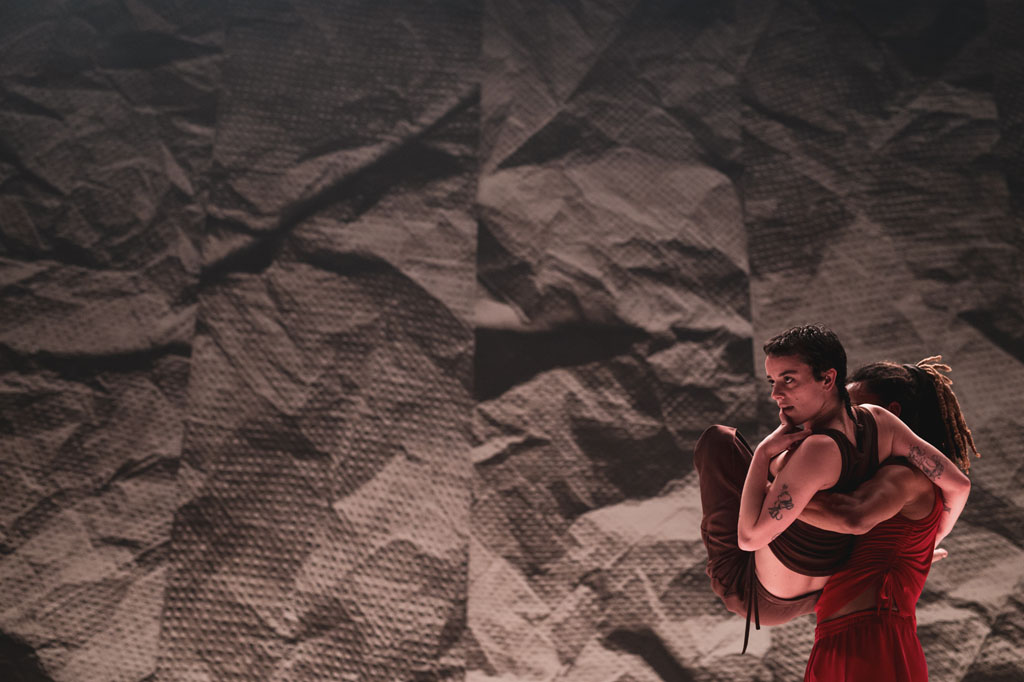
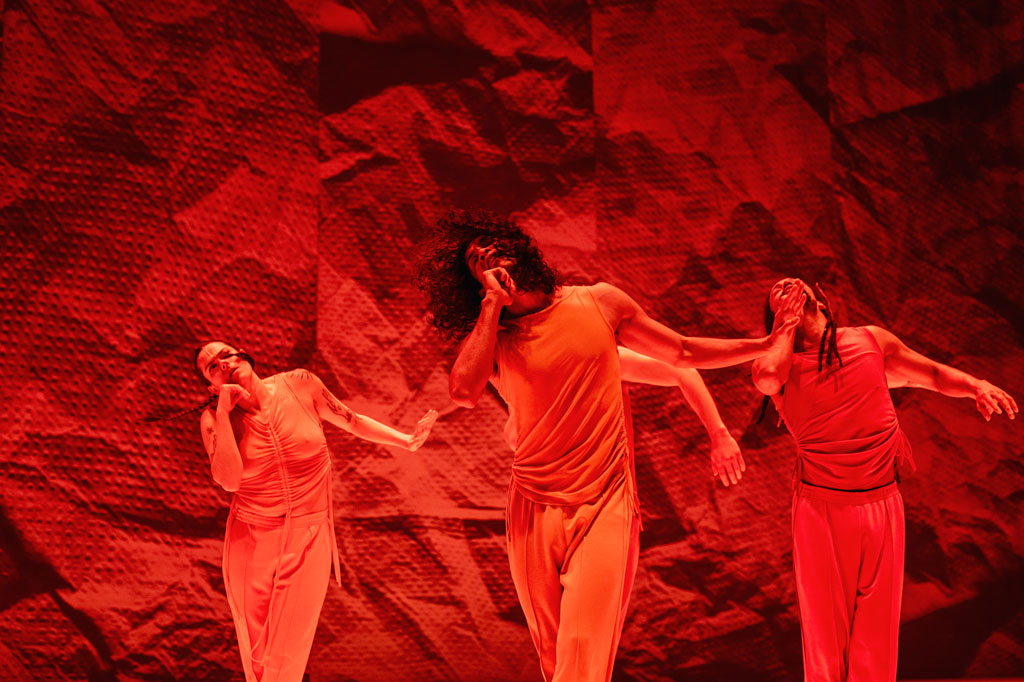
“Steph pushes me to isolate a lot of the work. She likes to do a lot of vignettes. We’re constantly battling, going we don’t need that many cues.” VISTA will be taken care of on the road by Assistant Lighting Designer and Touring Tech Manager Rachel Lee. Doing the sound design is Lake’s life and artistic partner, Robin Fox.
Shaw is confident VISTA will achieve the aesthetic the team often strives for, “dynamic work with shifts and changes and bold colours”, while adding, “It’s good to have some other constraints to see what it produces.”
—
BIO – BOSCO SHAW
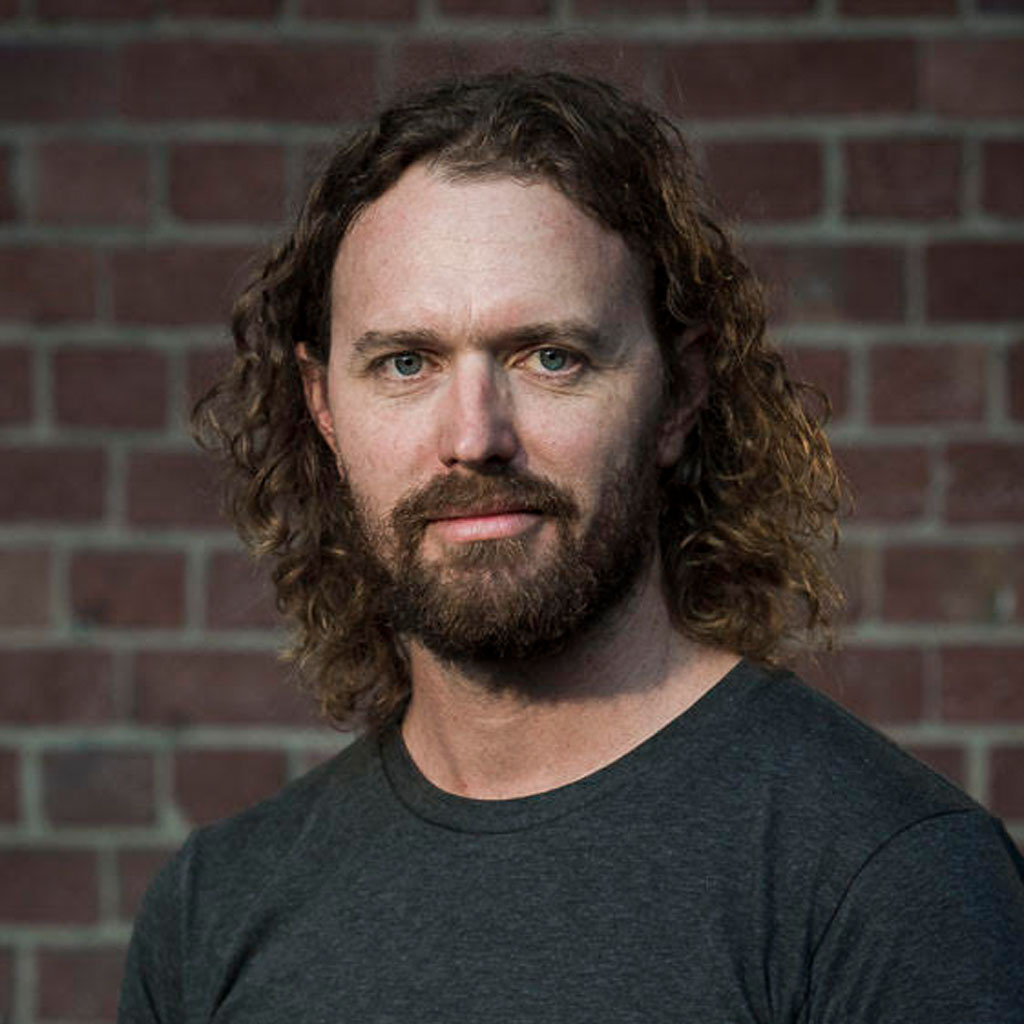
Bosco Shaw is a lighting and set/space designer and builder. His interest is in work that involves bodies and movement, and how light feeds across, and can influence, a space. In 2016, he co-founded ADDITIVE, a collaborative lighting design company. He is the recipient of three Green Room awards for visual design. He has worked with large contemporary dance companies, intimate projects and individual artists, theatre works, as well as designing and installing lighting for public spaces. Projects include: Antony Hamilton, Meeting; Tim Darbyshire, More or Less Concrete; Dance North, Attractor; Chunky Move, It Cannot Be Stopped, Token Armies, 4/4; All The Queens Men, Congress, Coming Back Out Ball, Playdate; Lucy Guerin Inc., Pendulum; Stephanie Lake, Double Blind, Replica, Colossus, Manifesto, The Chronicles; The Australian Ballet, Circle Electric; Luke George, Erotic Dance; Asia TOPA, XO State; Mel Lane, Nightdance, Arkadia; Mona Foma, Faux Mo 2018/2019/2020; Dark Mofo, Night Mass 2018; Zoe Barry, The Nervous Atmosphere; Alex Harrison/ Paea Leach, The Difficult Comedown.
Subscribe
Published monthly since 1991, our famous AV industry magazine is free for download or pay for print. Subscribers also receive CX News, our free weekly email with the latest industry news and jobs.
Recent posts