AUDIO
20 Apr 2026
Vinyl Revival
Subscribe to CX E-News
The Physical Media Renaissance and the Problems with Streaming
Six months ago, after about a year of feeling increasingly uncomfortable about the ethics of continuing to use Spotify, I pulled the plug. I’d been told for years by musicians and music fans how terrible the platform is for musicians and music culture. I had three albums of my own music on the platform and had always been pretty underwhelmed by the limitations of presenting it. However, inertia and a family account kept me putting off doing anything about it.
Liz Pelly’s March 2025 book ‘Mood Machine: The Rise of Spotify and the Costs of the Perfect Playlist’ (which I still haven’t read) laid bare the grim economics and inhuman mechanics of Spotify and was quoted by outraged musicians all over the internet. Then in June, Spotify’s founder Daniel Ek invested 600 million Euro in Helsing, a European company developing AI software for warfare, and adding it to its autonomous drones – literally killer robots. That’s when Australian alternative legends King Gizzard & the Lizard Wizard, along with scores of others, pulled their music of the service.
I knew I had to get off it, both for daily listening and hosting my music (not that the tiny amount of streams I generated would bother the company in any way). I removed my music from the platform then, but I’m mildly ashamed to admit I didn’t shut off the subscription immediately because my teenage son’s a huge music nerd too and was spending every available moment listening to indie bands like Car Seat Headrest (check them out – they’re fantastic).
I was a big streamer, and I used the platform in the way a lot of people do – having it on constantly in the background while I’m working, generally running whatever it suggested based on what I already like. Admittedly, it did a really good job of that. The one day, a track that really grated on my ears and immediately raised my hackles came on.
I picked it immediately, and a quick search proved it – it was AI generated music.
That’s when I snapped. My son was home from school, so I went to talk to him, explained about the terrible impact on music culture, the slave labour pay for musicians, and the killer robots. He was aghast, and after being assured he’d still have access to music, immediately said, “Dad, shut it down.” So I finally did.

I bought an external optical drive for my computer, dug out our family CD collection, and bought some old‑school CD display and storage units for my office and our lounge room. Going through all our albums, there was so many things I had forgotten that I love, a few questionable purchases, and some great stuff that I don’t even remember buying. I was struck by how our collection just ‘stopped’ after a certain year, around about 2012, which was when Spotify launched in Australia. I’ve certainly discovered and listened to a lot of artists since then, but I own nothing tangible from them. I felt this a loss, and it still makes me sad.
I have friends who are avid vinyl collectors, but I can’t bring myself to buy it, largely for technical and physical reasons; I’m happy to buy hi res digital audio files, and physical CDs. I do however understand why people buy vinyl – it’s beautiful to look at, looks great as a collection, and the act of putting on an album is intentional and meditative, as is the listening experience.
I have since attended two record fairs that were mainly vinyl‑focussed, but some vendors sell CDs. At the second one, I came home with about 20 CDs, only two of which turned out to be a dud punt on an unknown artist; one because I liked the cover, another because I respect the label. What I loved about them was the joy of digging through the racks and finding something you didn’t expect, or something you don’t know that gets your attention. It’s probably largely nostalgia; I used to dig through record store CD racks all the time as a student (when I couldn’t afford them, but bought them anyway), then as a young sound tech, (when I shouldn’t have bought so many, but did), then when I was in a corporate job, slinking off to Melbourne’s lost and lamented Polyester Records CBD outlet in my lunch hour. Digging through the crates, I felt like myself again.
The other thing I love is the experience of listening to uncompressed digital music. Apart from the CDs, I’ve been buying high resolution downloads from Bandcamp. Often they’re higher than CD quality, and I have quite a few that are 48kHz and 24‑bit. I know it’s a sound nerd thing, and I have a really nice pair of studio monitors to listen on, but I really appreciate being able to hear all of the music again. It just lives and breathes so much more than a compressed stream.
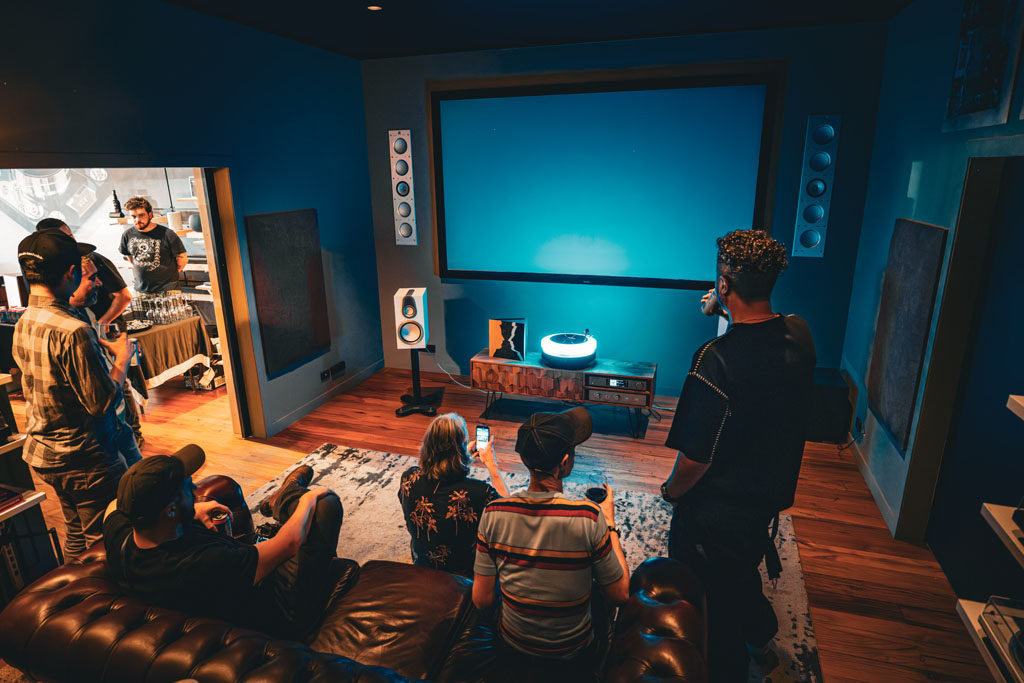
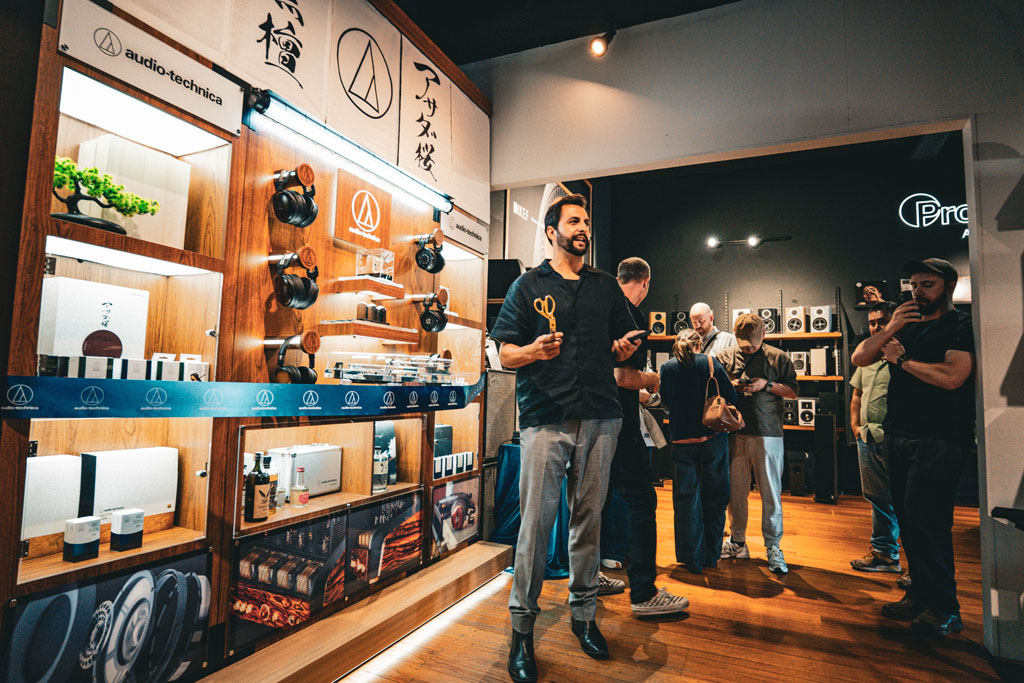
It was against this background as a newly minted streaming objector that I got invited to the launch of Melbourne’s first Audio‑Technica Hi‑Fi Gallery at Melbourne’s Vinyl Revival, an old‑school Hi‑Fi shop selling turntables, amps, speakers, and everything else a vinyl afficionado would need for happiness.
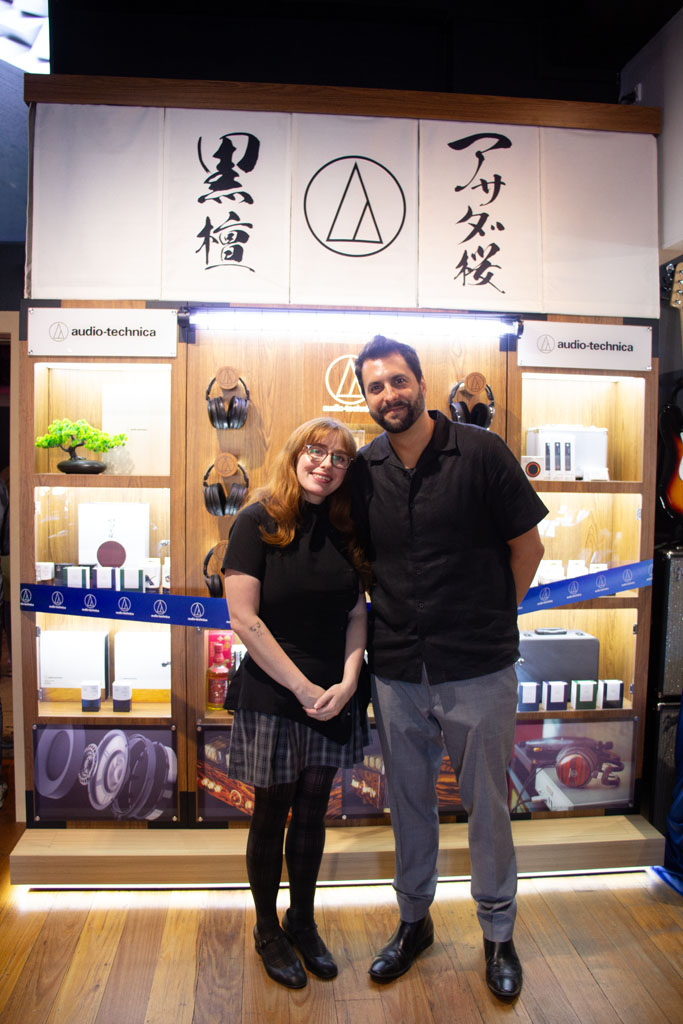
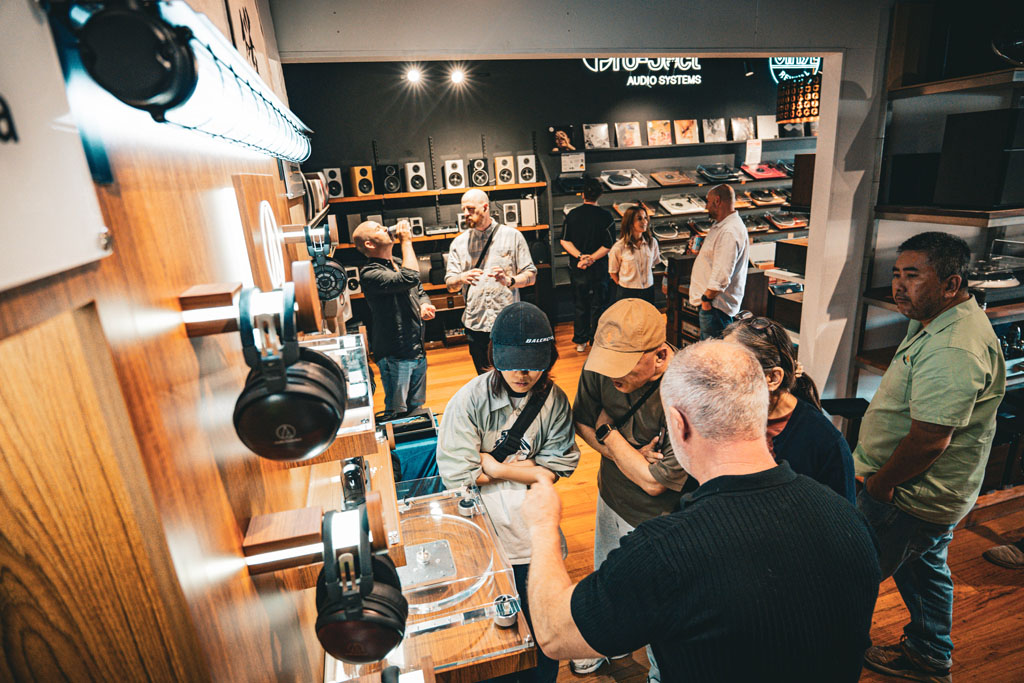
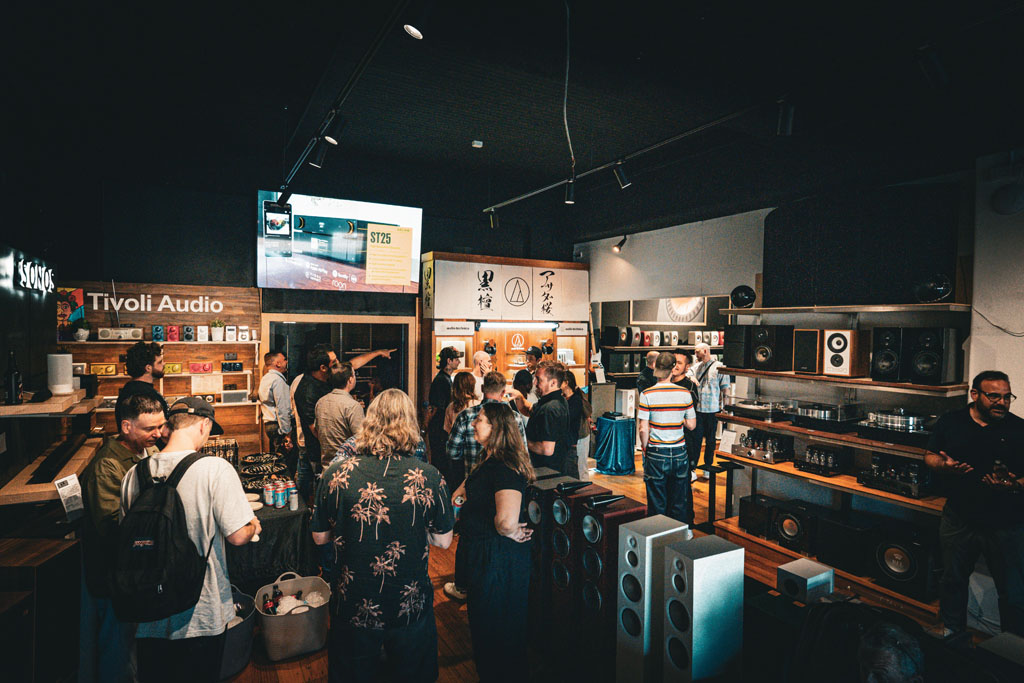
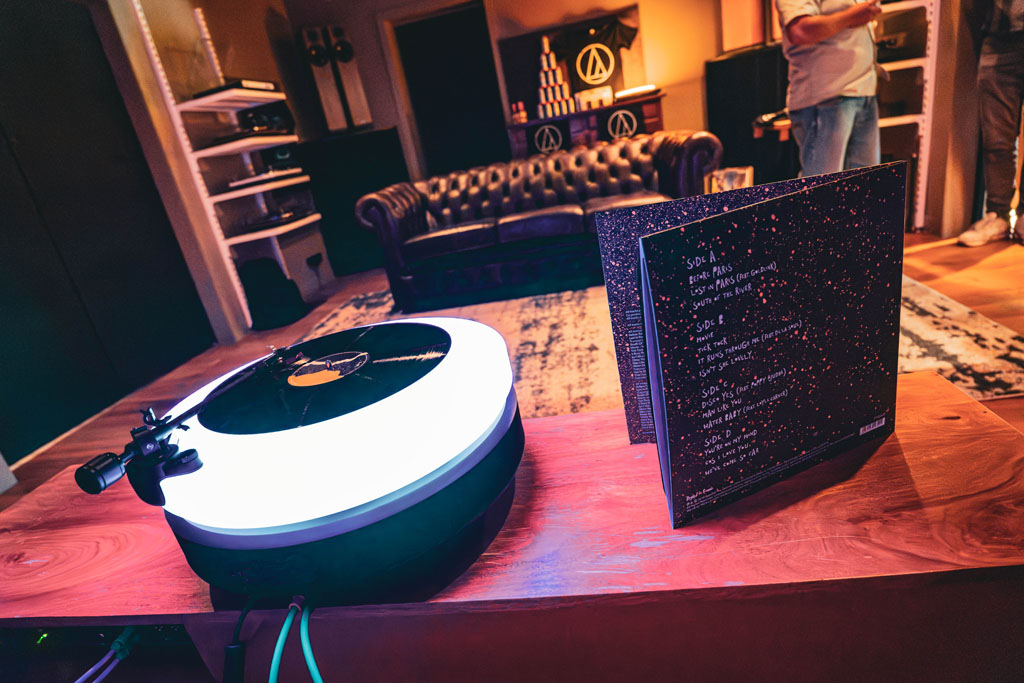
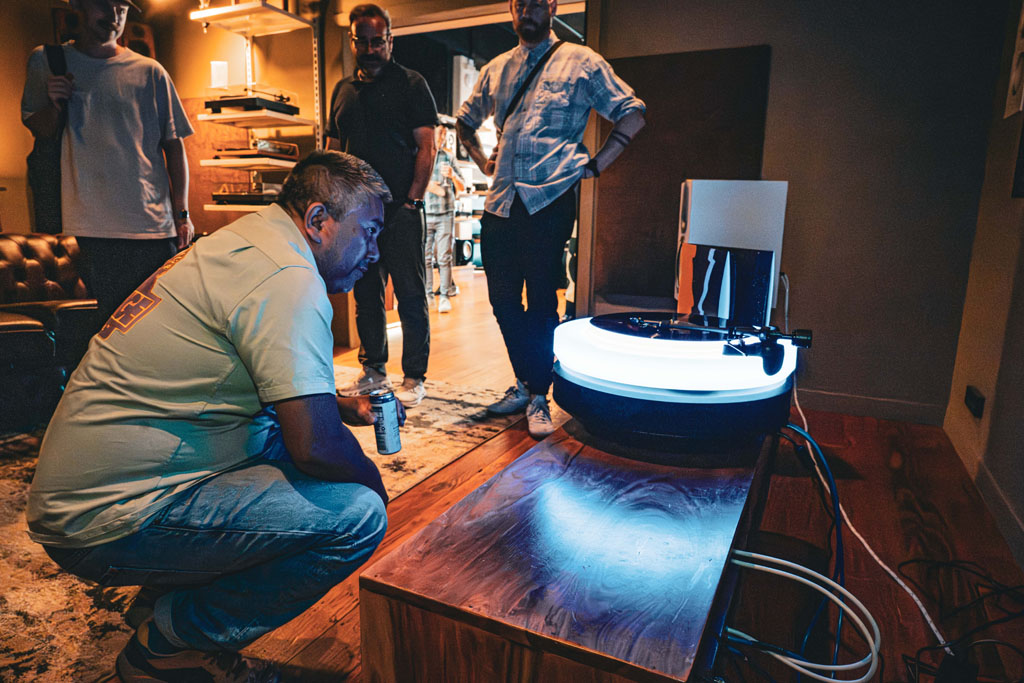
The concept is that the Audio‑Technica Hi‑Fi Gallery exhibits the best of the brand’s premium headphones, turntables, and cartridges. There was even one of Audio‑Technica’s unique levitating Hotaru turntables, which sell for a sweet $15,999, if you’re in the market.
I’m happy to say that Vinyl Revival it isn’t one of those ridiculous audiophile joints where everything is $25,000 and up; there are sensible and affordable products and some great starter packages for those just getting into vinyl. Yeah, they do have some expensive premium products, but they’re not ‘these speaker cables are made of dark matter and cost $10,000 each’ weird about it.
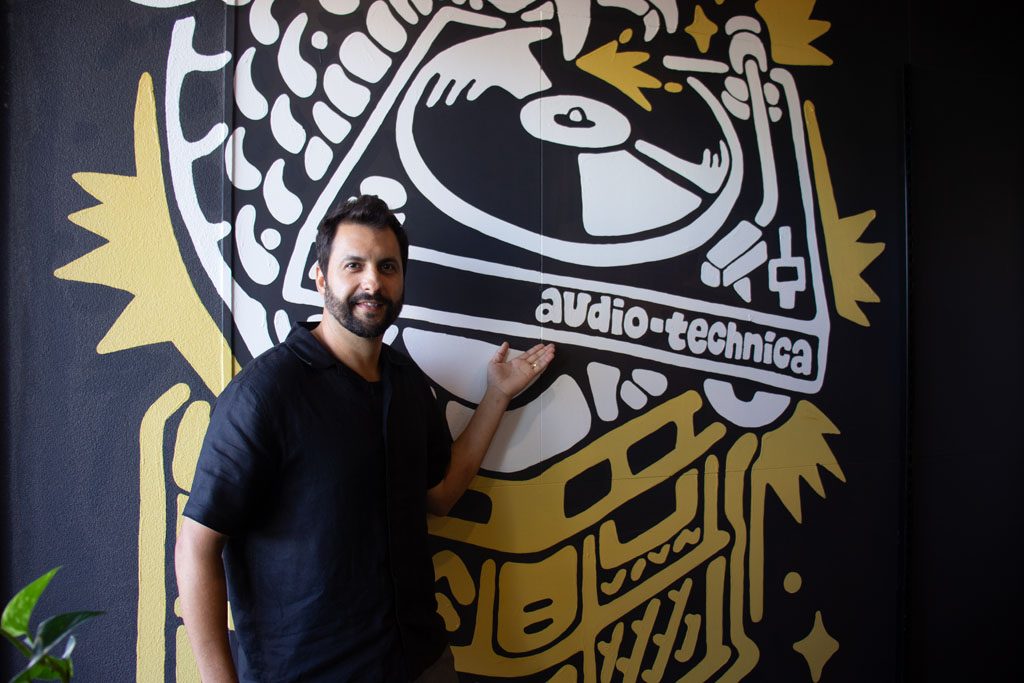
Wesley Von Grabill, General Manager for Audio-Technica at distributor Technical Audio Group, was there to launch the Audio‑Technica Hi‑Fi Gallery, and we had a great chat about physical media, intentional listening, and our mutual enemy; streaming services.
“Audio‑Technica started making cartridges for turntables in 1962,” explains Wesley. “They now also make turntables, which they only started doing in 2012. They started with one model and now they have around 20. Same with headphones and loudspeakers. With all these new products across the market, the time was right to relaunch the brand as a premium Hi‑Fi solution in Australia.”
And they’ve done it in style; Wesley himself designed a beautiful Audio‑Technica display cabinet that would look at home in a premium Tokyo Hi‑Fi bar. It showcases their products, including headphones, turntables, and styli, along with iconic Japanese sake and whisky, and even has a bonsai tree on a shelf. Another Gallery with its own cabinet opened in Sydney at Audio Connection, back in January.
I asked him about the Hotaru – not that I had the budget to buy one; “There are only five in the country, and there’s two left for sale if you want one!” Creating limited edition premium products is a very Audio‑Technica way of marketing. “They’re always trying to create products that have never been done, or something different,” agrees Wesley. “The last time they did something like this was the ART1000, a high‑end cartridge with a lab‑grown diamond stylus that is grown directly onto the base. That went for $6,999.”
Wesley pointed out Audio‑Technica’s SP3X powered bookshelf speakers, which I wasn’t familiar with; “We launched those last year. They’ve got a 3” woofer, 1.1” tweeter and come in black and white. Audio‑Technica actually started making speakers in the ‘70s, then moved away from it. It makes sense to add them back to complement the turntables.”

I asked Wesley what his thoughts were on what’s driving the vinyl revival. “The White Stripes’ Jack White really kicked it off with his own record press in 2009,” posits Wesley. “But that also coincided with the rise of our arch‑enemy Spotify and other streaming services. We’ve gotten to a point where there is no ownership of music anymore. If you really love The Beatles or Taylor Swift, you want to be fanatical about it; you want to buy something. CDs had already disappeared, so people went back to vinyl. People like vinyl because it looks cool in the living room, and some people collect it just for that. It’s created a whole different generation of market. It used to be old men in a dusty record store, and now it’s mass retail ‑ it’s changed everything.”
“You’re a human being,” concludes Wesley. “You’re analog, not a digital creature. Well, not yet anyway. That’s what vinyl and turntables are. There’s a needle touching a groove. That connection is always going to be deeper than any digital connection. Even if you don’t have the most expensive setup, that human experience is much more enjoyable than a wireless streaming experience.”
—
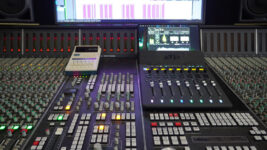
Main Pic: IN THE LISTENING ROOM
Subscribe
Published monthly since 1991, our famous AV industry magazine is free for download or pay for print. Subscribers also receive CX News, our free weekly email with the latest industry news and jobs.