THE GAFFA TAPES
27 Nov 2026
Between The Notes
Subscribe to CX E-News
Snippets from the archives of a bygone era
A lot of the talk about the 2026 remix of The Beatles’ Rubber Soul album centres around the stereo panning. I owned an original stereo pressing of the album, and on the track ‘Run For Your Life’,
John Lennon’s vocals were panned hard right. So, I’d stand beside the left speaker and sing the lead along with the harmonies of Paul and George.
Discovering that I could actually hit those notes and mesh in with the harmonies aroused my obsession with becoming a vocalist.
I initially attempted singing in a Simon and Garfunkel-style folk duo, where a friend played guitar and we both sang. That partnership ended rather abruptly during early rehearsals when he told me that I sang flat, adding, “And you’re not a lead singer.” To add to this setback, my songwriting partner departed for Queensland, leaving me with no musical accompaniment to my song lyrics. I then bought my first guitar.
I had two different guitar teachers, and I struggled with both the instrument and my vocals; regardless, I pressed on. When I auditioned for the position of guitarist/vocalist playing in a Sydney restaurant, the owner insisted that I audition live while his customers were dining. I don’t remember the customers’ reaction, but the disgruntled look on the owner’s face as he showed me the door was enough to convey the message.
The next venture was when I joined a folk club, which performed regularly at a hotel in Sydney’s west. I only performed my own material there, and it went over OK, although most of the applause came from the other performers. Ridiculously, one evening I decided to attempt a comedy number, and I performed the Barry Humphries/Bazza Mackenzie song, ‘Chunder in the Old Pacific Sea’, which included spraying the audience with a shaken can of beer. I was subsequently banned from the folk club.
I was quite persistent in those days, and my next audition was at Dirty Dick’s Theatre Restaurant, which was themed around a bawdy 18th-century London cellar concept, where they served a multi-course Elizabethan-style banquet. The position was as a roaming troubadour, in which guitarists and other musicians circulated amongst the patrons, singing about the food and other guff.
During my audition in front of the entertainment management staff, one of them jumped onto the stage and said in a flighty voice, “Oh, how tall are you?” I was 5 ft 10, and he looked about 6 ft as he shouldered up to me. That was the end of the audition, and either they didn’t like my performance or my height.
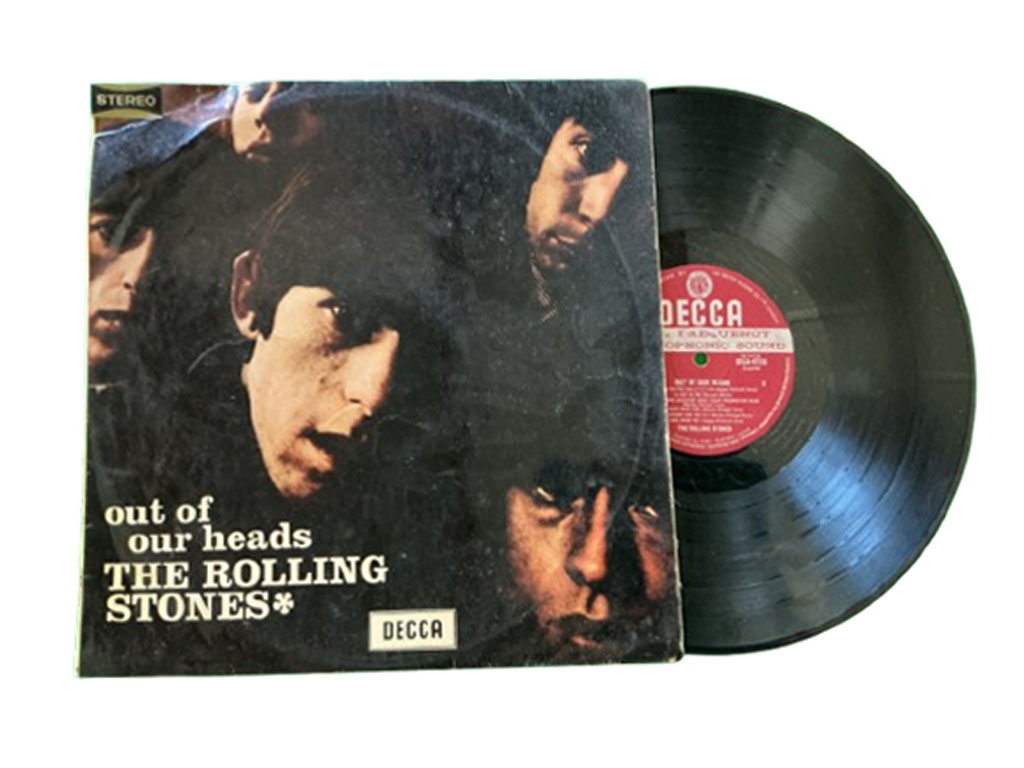
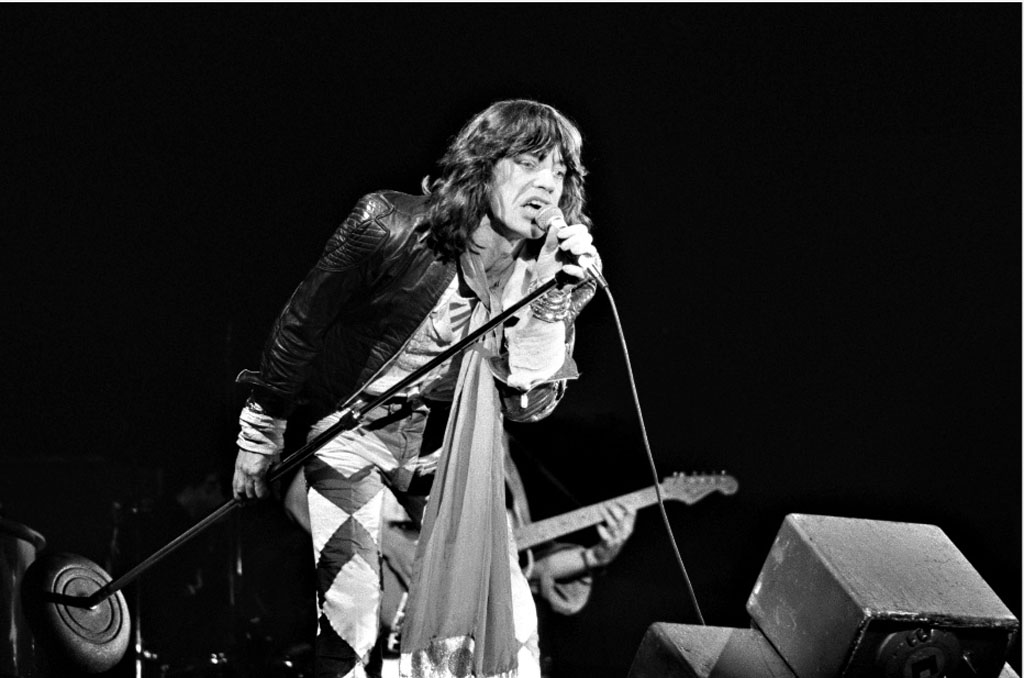
Very few fledgling bands in those days attempted covers of The Beatles’ songs. Few singers could match Paul McCartney’s vocal range or The Beatles’ chemically sharpened harmonies. In the same year that I bought Rubber Soul, I also purchased The Rolling Stones’ album Out Of Our Heads, which is one of the least-talked-about great albums of the mid-1960s. Songs on that album included ‘Satisfaction’ and ‘The Last Time’. I knew the words to every track and sang along with them. Mick Jagger was the first vocalist that I tried to emulate.
By 1974, I had taken up electric guitar and moved to Queensland’s Gold Coast, where I decided to combine my electric guitar lessons with singing lessons, which were five dollars per session from a retired musical director. One night, during a drinking session with a mate who was visiting from Sydney,
I telephoned my singing teacher and said, “I’m sorry, but I can’t sing tonight.” He replied, “Who said you could sing in the first place?”
I don’t remember too many lessons after that, especially because I was on a budget. I had to weigh up the five-dollar singing lessons against the five-dollar cost of a case of beer, and the beer took priority.
When I returned to Sydney, I formed my first band, and we did six tracks off The Rolling Stones’ live concert album, ‘Get Yer Ya-Ya’s Out!’ I loved singing in Jagger’s style with that sharp percussive attack, doing a kind of tongue-in-cheek impression of his vocals that included his use of the Southern American drawl. He always seemed to be in sync with Charlie Watts on drums, and I suppose that’s why I was so hard on drummers. In the four bands that I played in, I don’t remember ever having a serious argument with any of the other musicians; however, I was largely responsible for having five drummers replaced.
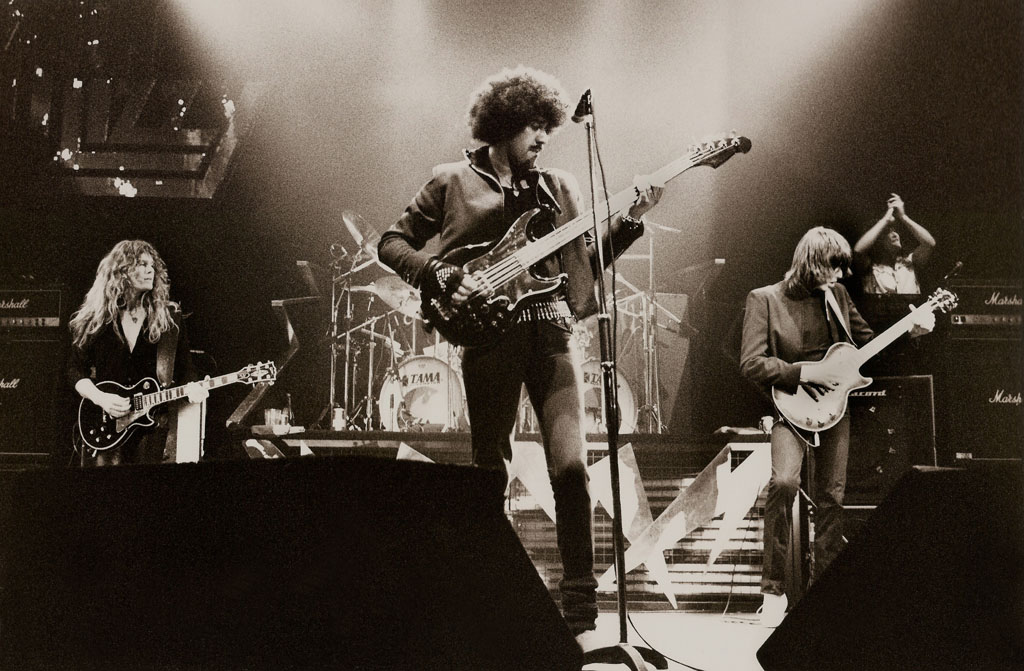
When I joined my second band, they leaned towards a harder rock style, and we played a lot of Thin Lizzy songs. We worked hard to copy the harmony guitars that had become a feature of Thin Lizzy’s sound. I was a massive Lizzy fan, and I started styling my vocals after Phil Lynott. I loved his staccato delivery and short, punchy phrasing. Lynott was like a storyteller, a kind of hard rock Bob Dylan who made you listen to the lyrics.
Seeing Thin Lizzy play live at the Sydney Opera House in 1978 left me completely in awe of how Lynott could effortlessly combine intricate vocal phrasing with his complex bass lines while locked tightly in sync with the drummer.
Although we were together for about two years, my second band dramatically folded when I lost my voice during a performance. I subsequently had to see a specialist who examined my vocal cords. Luckily, I was free of vocal nodules, but there was acute inflammation and swelling, and I was advised to take complete rest, which meant absolute silence: no talking, singing, or whispering for about five days, and I had to give singing a rest. The other band members went their separate ways.
A couple of years later, I got a call from the bass player, Mike, who wanted me to audition as the lead singer for a band he was playing in called Main Earth. It was a complete surprise to me, as I always thought he was a better singer than me. He was quite a reserved guy, and although we encouraged him, he didn’t sing much in our former band, and he never indulged in some of the excessive alcohol and substance abuse that we were involved in. In spite of this, we never quarrelled, but I sometimes thought he didn’t have much time for me.
I was always lousy in auditions, as everything I do has to be heavily rehearsed, but this would be my first audition without the added stress of learning and playing new songs on guitar. I always asked for a band’s repertoire before I turned up for an audition, even down to which key the songs were in. Fortunately, they had Hey Baby in their repertoire. This song appeared on Ted Nugent’s debut solo album and was sung by his lead vocalist, Derek St Holmes. I knew the song, which had a lot of energy and was just within the limit of my vocal range.
I remember auditioning with a tongue-in-cheek attitude, and I just ripped into the song. I then cheerfully said my goodbyes and left the audition. Surprisingly, I got the gig, and I later learned that they were impressed with my rendition of Hey Baby because their former singer had sung the song an octave lower. So, I became the new vocalist and frontman for Main Earth, but to ensure that I never strained my vocal cords again, I built my own foldback wedges, which I took to every gig.
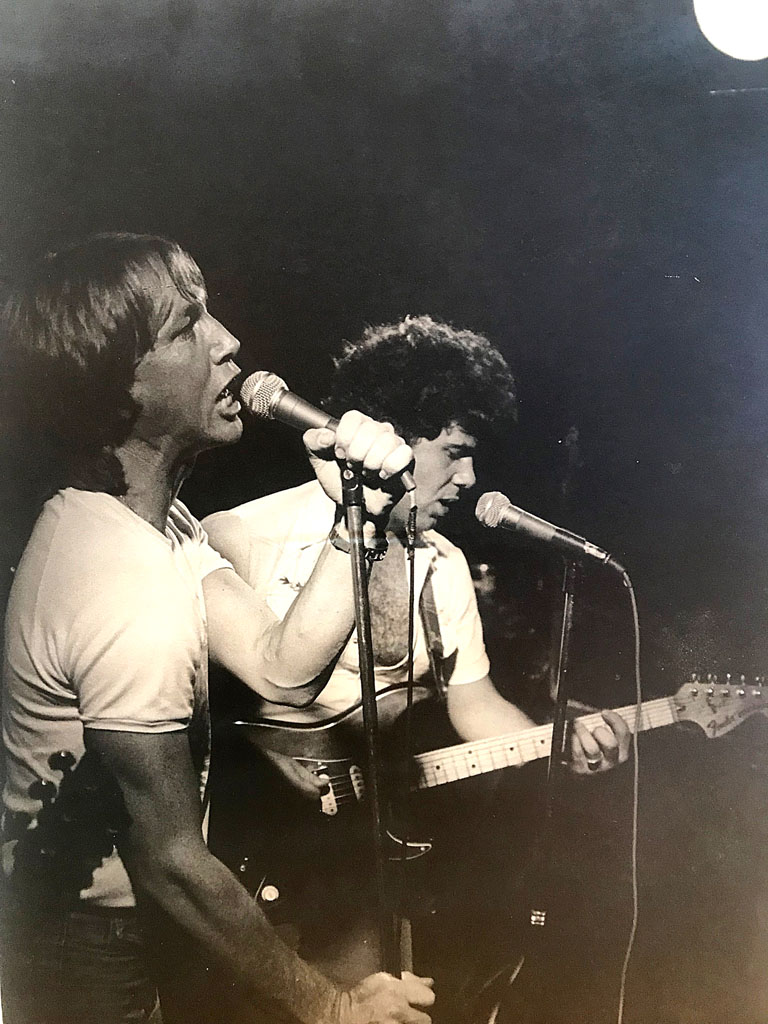
After Main Earth, I jumped ship and went into sound and lighting hire, which included a four-year stint working in the Philippines. It would be some ten years before I returned to performing, when I put together a one-man-band act. Almost my entire repertoire was designed around imitating vocal performers. I’d always loved impressionists, and this was a way to perform and do impressions at the same time.
I included a host of Beatles’ songs, which I transposed down about two semitones to be comfortable with the vocals. My MIDI sequencer sent ‘control changes’, triggering my Yamaha SPX-90 that used MIDI note On/Off messages to control the pitch changes for the harmonies in real time. The SPX-90 produced surprisingly good harmonies, and the control changes could turn them on and off at any predetermined interval in the song.
I had never sung an Elvis song in any band, nor had I ever purchased an Elvis record, but I decided to try impressions of the songs he sang in his lower register, such as Don’t Be Cruel, Teddy Bear, and Return to Sender. These were supposed to be comical impressions but were never taken as such.
I’d simply use an exaggerated breathy tone with a deep baritone voice and add a lot of vibrato; it wasn’t all that hard. My repertoire of singing impressions also included Buddy Holly, Del Shannon, and Ritchie Valens, which included singing La Bamba in Spanish, and my rendition of Lambada was, of course, in Portuguese.
My four-year stint in the Philippines happened entirely by accident, sparked by a surreal twist of fate connected to my former singing career. It started when a two-week cruise in 1982 landed me in Manila. I’d heard how Filipino musicians and cover bands had a worldwide reputation for reproducing western R&B and rock music with stunning accuracy. I visited several venues, and I was astounded by the musicianship and the quality of the vocalists. However, their sound reinforcement and lighting needed some serious work, and at the time, I couldn’t think of a better place to work.
One evening, I was invited on stage in a Manila nightclub to sing with a covers band. From that encounter, I got to know the club owner, who introduced me to an American who was building a huge entertainment venue. After learning that I was involved in sound and lighting, he offered me the position of outfitting the entire place as a rock‘n’roll venue. That ‘hold my beer’ singing appearance turned into four years of audio engineering, system installation, and band management for three of the main nightclubs in the country.
Subscribe
Published monthly since 1991, our famous AV industry magazine is free for download or pay for print. Subscribers also receive CX News, our free weekly email with the latest industry news and jobs.


Latest jobs