PEOPLE
21 May 2026
In Conversation: Damien Cooper, Lighting Designer
Subscribe to CX E-News
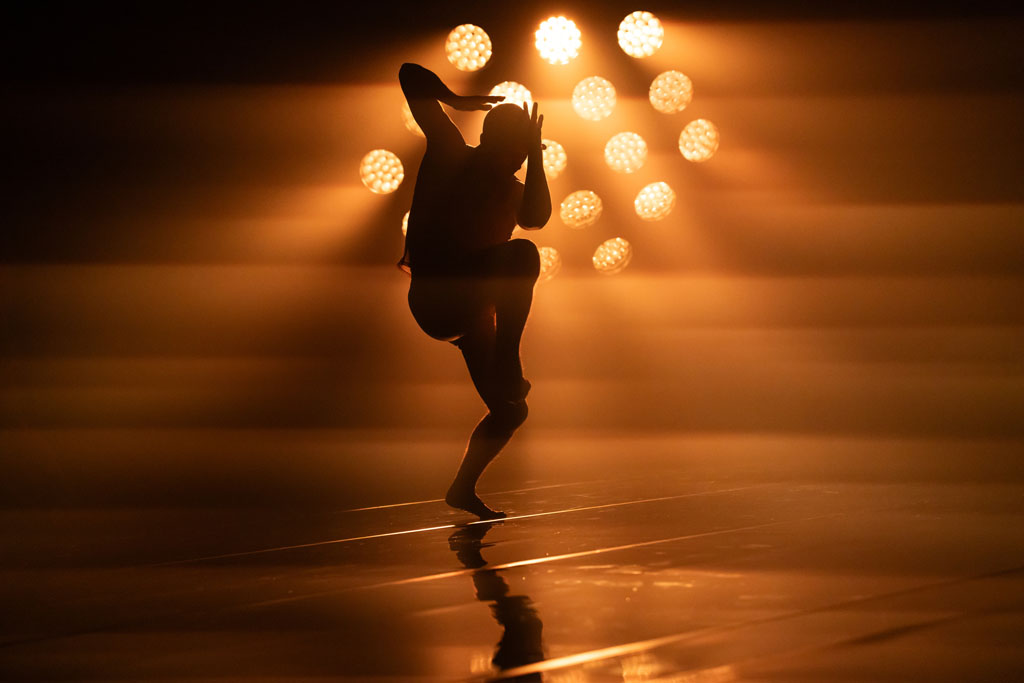
Lighting design is often described as the ‘invisible art’ of theatre. The element audiences are least likely to consciously notice. Yet its impact is profound, shaping mood and tone, and guiding the eye to where it matters most.
For lighting designer Damien Cooper, it is also an opportunity to bring wonder. Across theatre, opera and dance, he has designed more than 600 productions, with work spanning Opera Australia, The Australian Ballet and stages in New York, London, Paris and Tokyo. His credits include Broadway’s Exit the King, alongside Geoffrey Rush and Susan Sarandon, as well as films such as Mao’s Last Dancer and Dance Academy.
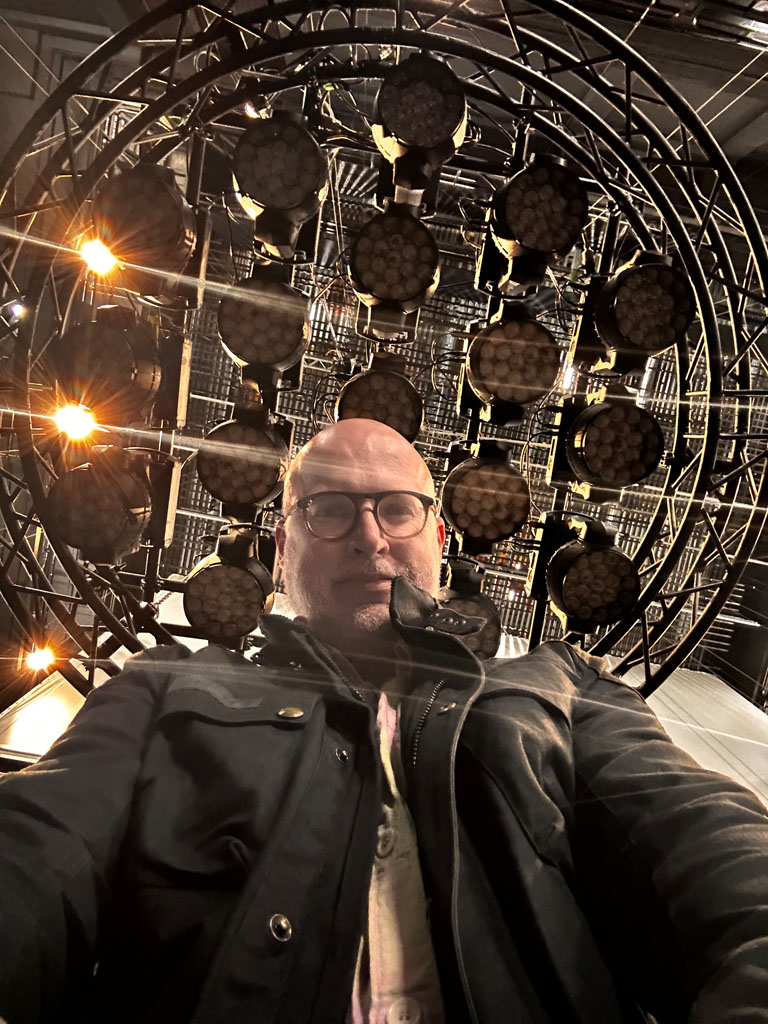
With a father who was Director of the Arts Council NSW and a mother who taught colour and design across the country, Cooper grew up immersed in theatre.
After training at the National Institute of Dramatic Art (NIDA), he had already decided by the end of his first year that lighting design would be his path.
The idea of lighting as a storytelling tool was evident from the outset. Whether working in opera or contemporary performance, Cooper approaches each work with both the maker’s and the audience’s perspective in mind.
“I approach the script with the makers’ and watchers’ eyes. How will the audience feel? Is this point a strong chapter marker? It’s about breaking down the rhythm of the whole piece and listening for those clues.”
That sensitivity to rhythm extends to how light interacts with movement and material. In Sydney Dance Company’s Momenta, for which Cooper won a Green Room Award, falling material created the illusion of rain, slowing the pace and lending the scene a dreamlike quality. By contrast, Marrugeku Theatre’s Cut the Sky used 2,000 litres of real rain on stage.
“It’s faster, more aggressive. You see the weight of the rain. Compared to Momenta, which was effortless and drifting. Lighting water requires a lot of craft to make sure the backlight comes through the water drops. It’s really important you get that angle of light correct, so the water stands out in the space. If you light it well, it’s beautiful.”
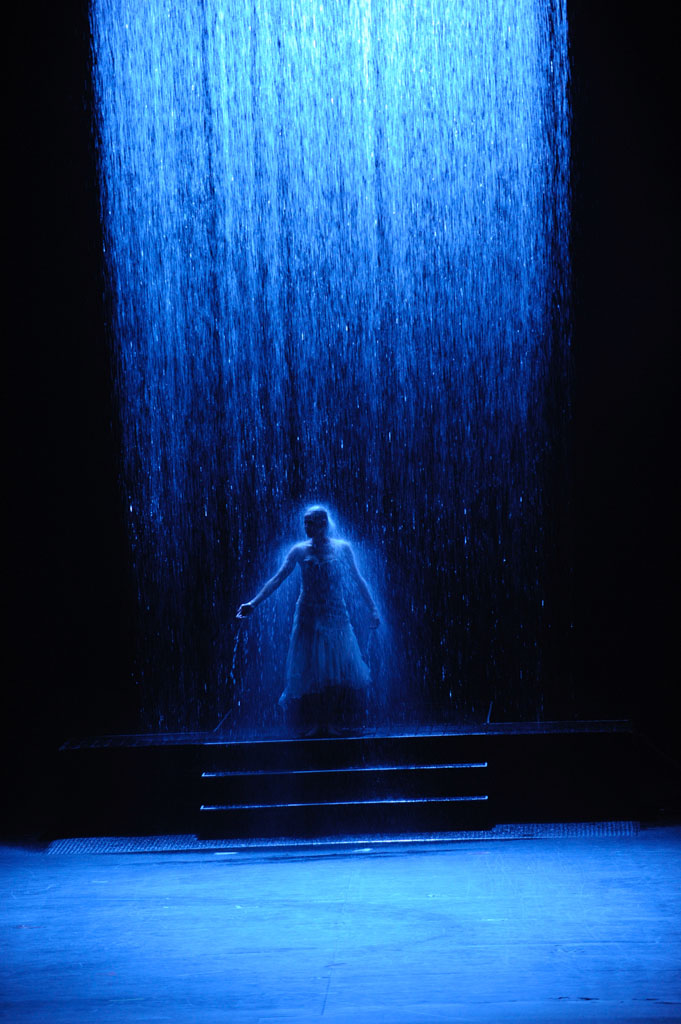
“I’m a really strong believer in rhythm and how it affects a show. Not just within scenes but across the entire arc of the piece. Lighting allows you to edit and direct the audience’s focus, using subtle gestures to shape how moments are understood.”
In Sydney Theatre Company’s The River, Cooper leans into the stillness, “Plays are different to dance pieces. There are more moments of stillness. For The River there’s more moments of the cast doing things than speaking.”
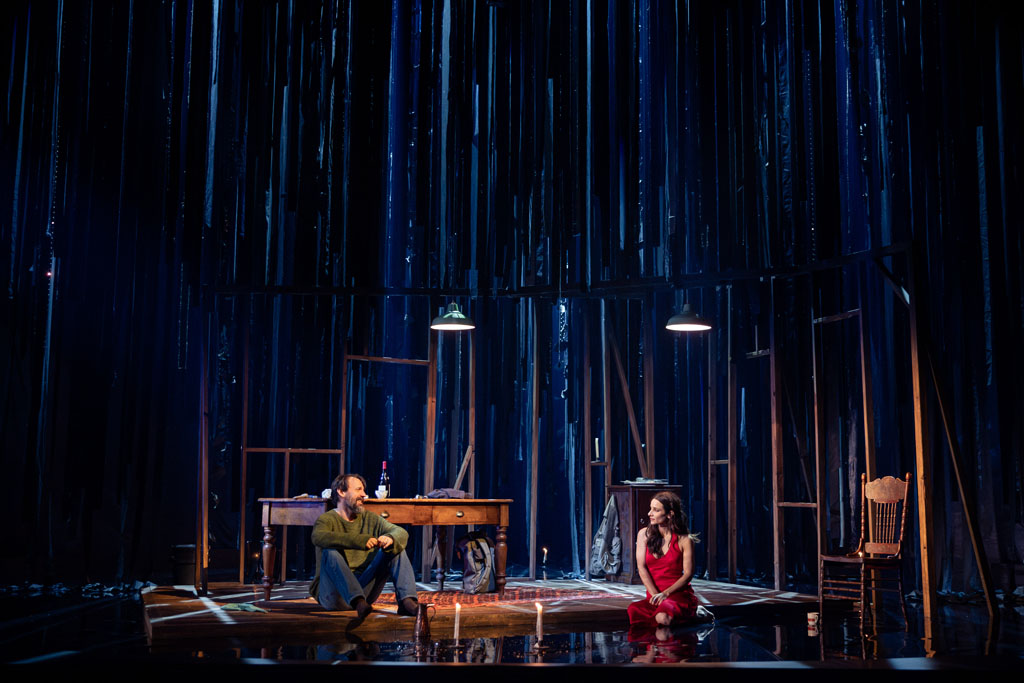
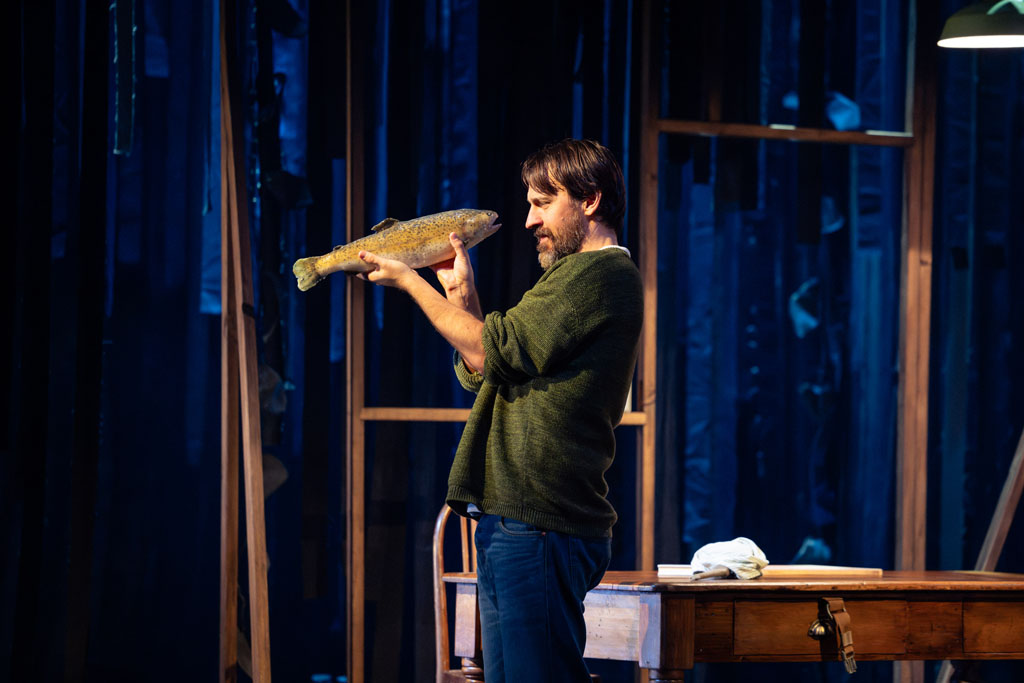
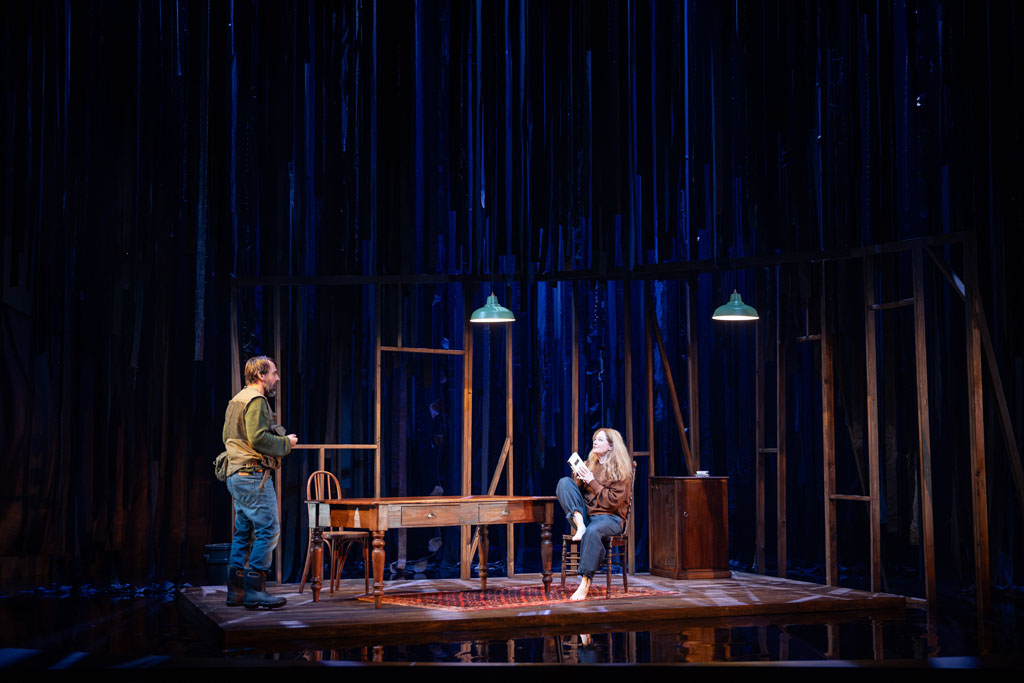
Set across a single night, from sunset to sunrise, the production unfolds within a forest world that shifts almost imperceptibly.
“When lighting ‘stillness’ it comes down to the rhythm – where is my focus in the space as an audience member? Am I looking at the cast member? What does the overall picture say to me?
Different audience members listen to different things. Some are very visual and they look at the scenery and glaze at the words and others are riveted by every syllable and enunciation of the cast. We’re trying to create a visual language that gently holds it together.”
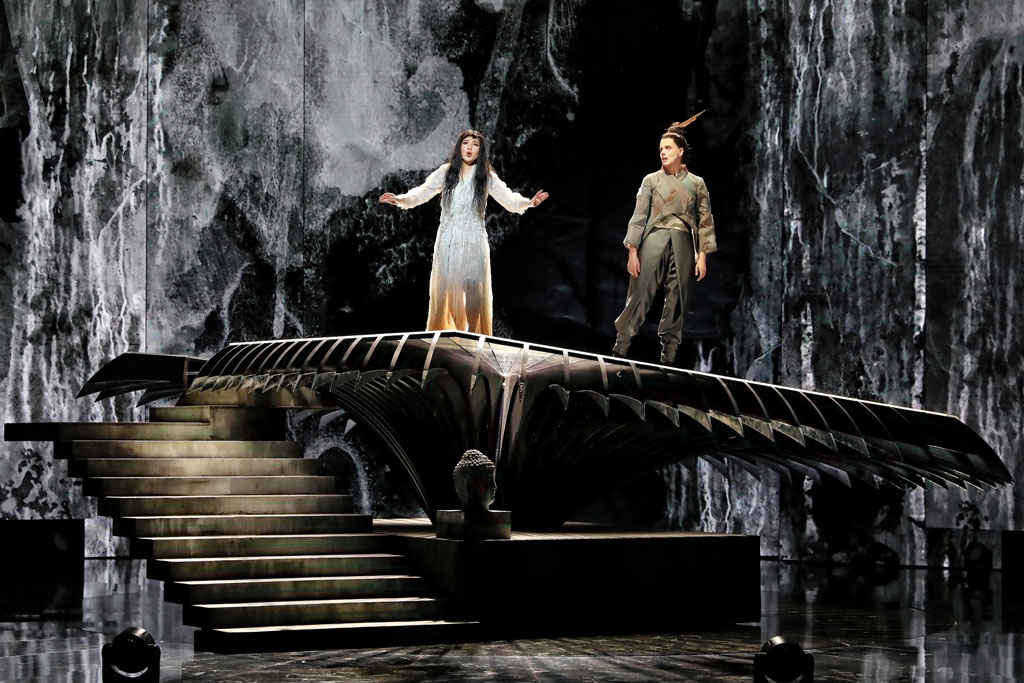
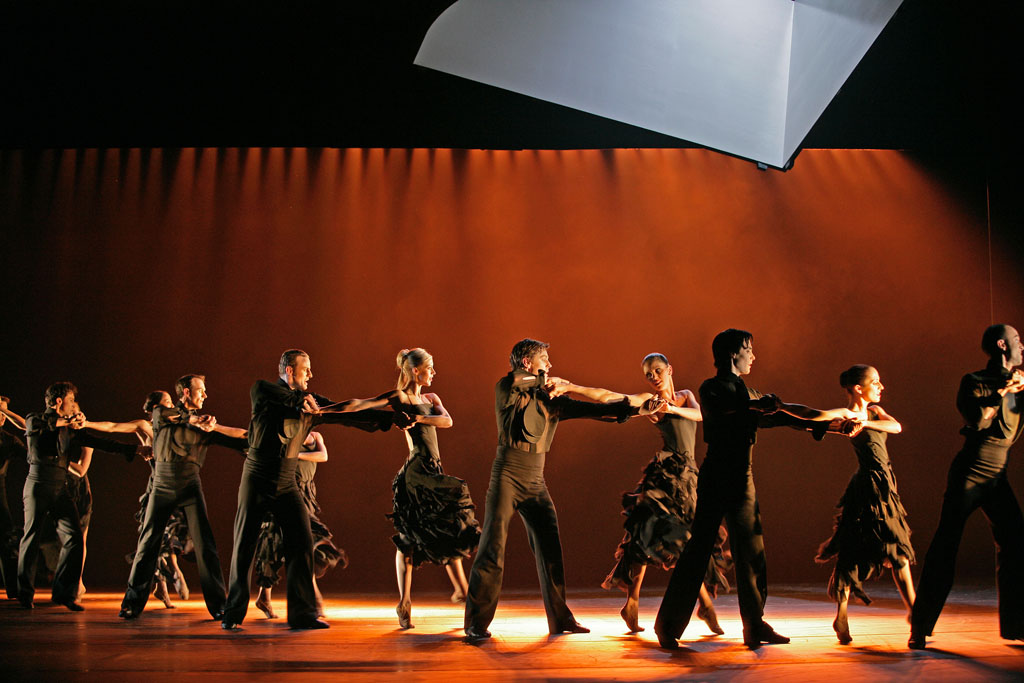
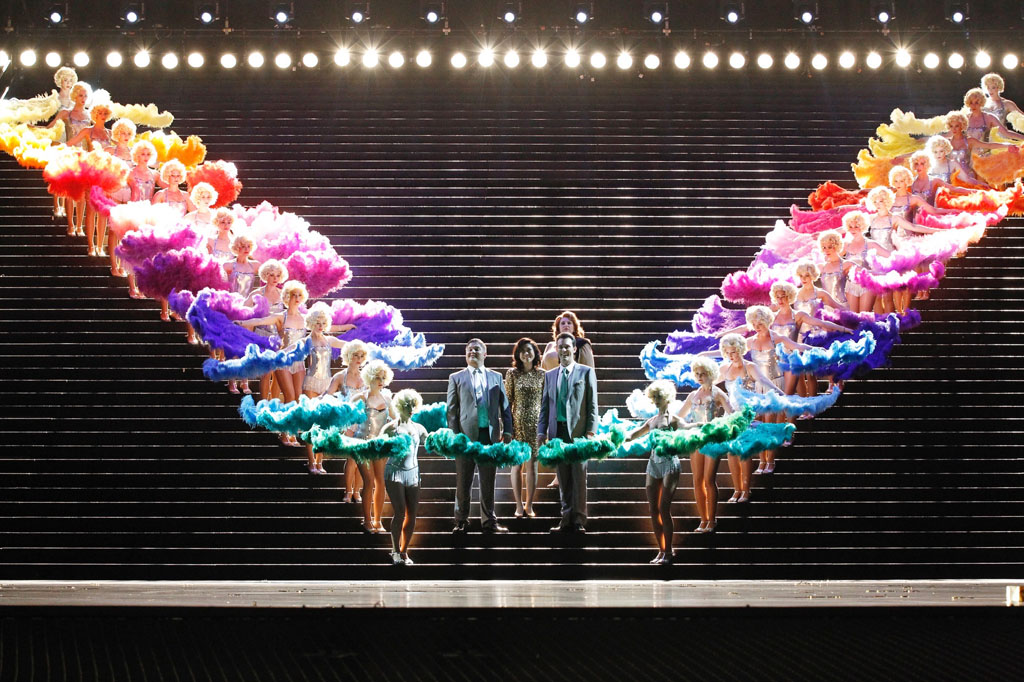
“There’s a lot of subtext in The River. The audience could be thinking in a lot of different ways. Everyone could have their own internal monologue about the play.”
It’s a collaborative process to create a unified visual world. “The first few weeks of rehearsal are about making sure those ideas will still land. Tightening the nuances of what the lighting is going to do. Each director is different. Some are happy to let me get on with it, others want to talk about it endlessly.”
From 2,500-light opera rigs to barely perceptible shifts in a forest at night, Cooper designs across extremes of scale and visibility. “I’ve done some show off experiences and subtle experiences. You need to know when you are being either or, and why you are being either. There are moments when the lighting needs to stand out and hold focus, and moments when it needs to be subtle and low key.”
While advances in technology have changed design, Cooper believes the core of the craft is still the same. In an era of limitless technology, great lighting design lies in knowing when to do less. “We can do so many things now, but sometimes it’s about doing less. The tools have changed from incandescent fixtures to LED but the underlying principles remain the same.”
The pace of that change is rapid, with new equipment emerging constantly. Yet for Cooper, technology remains a tool rather than a driver.
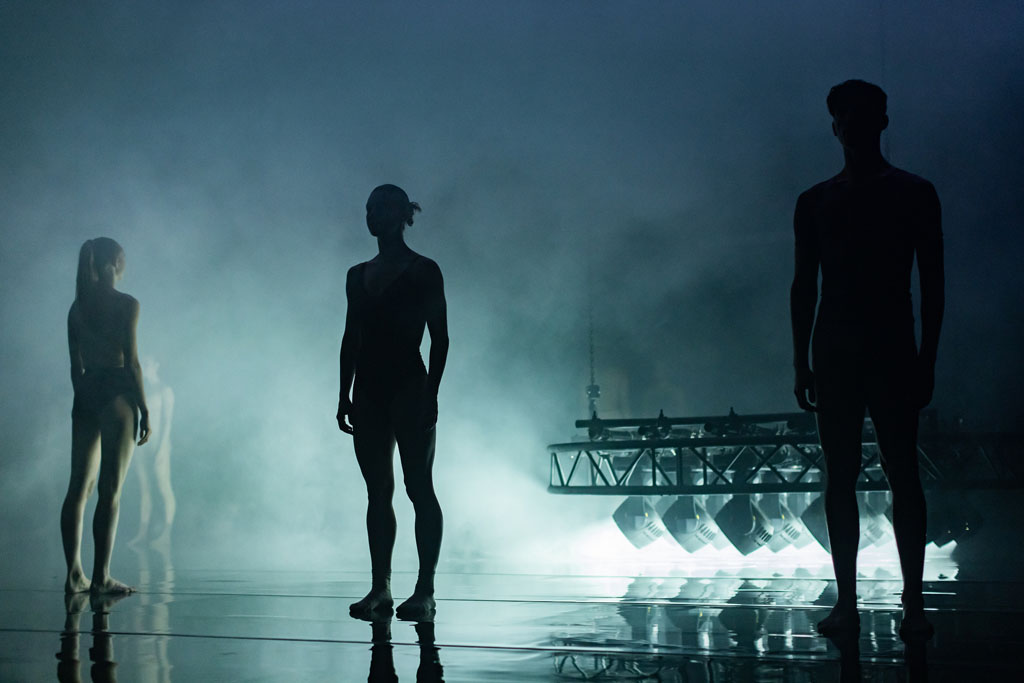
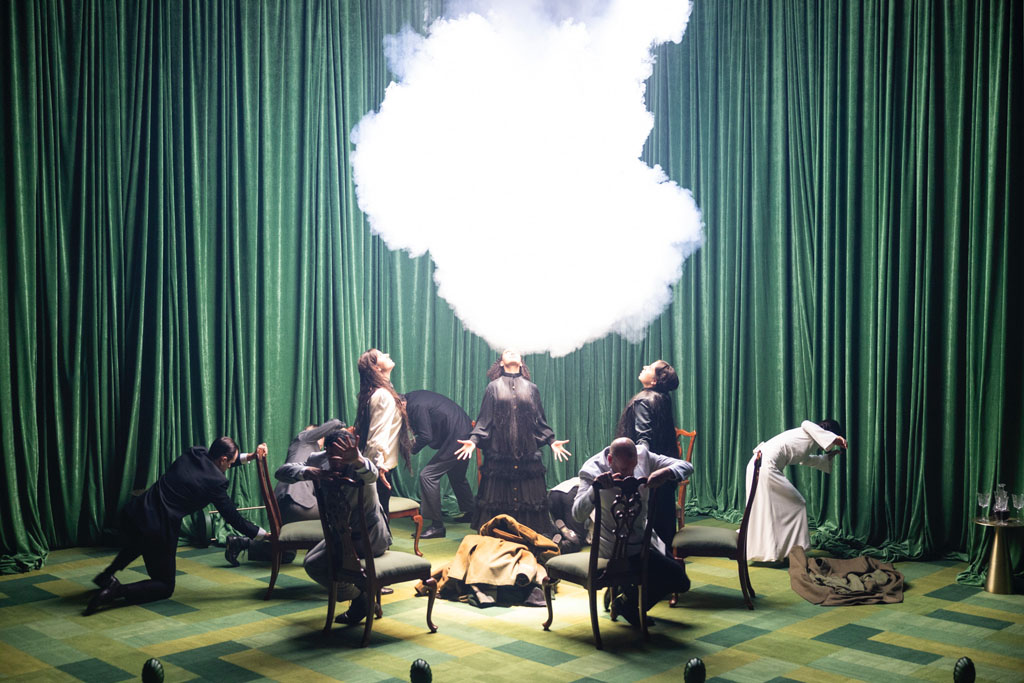
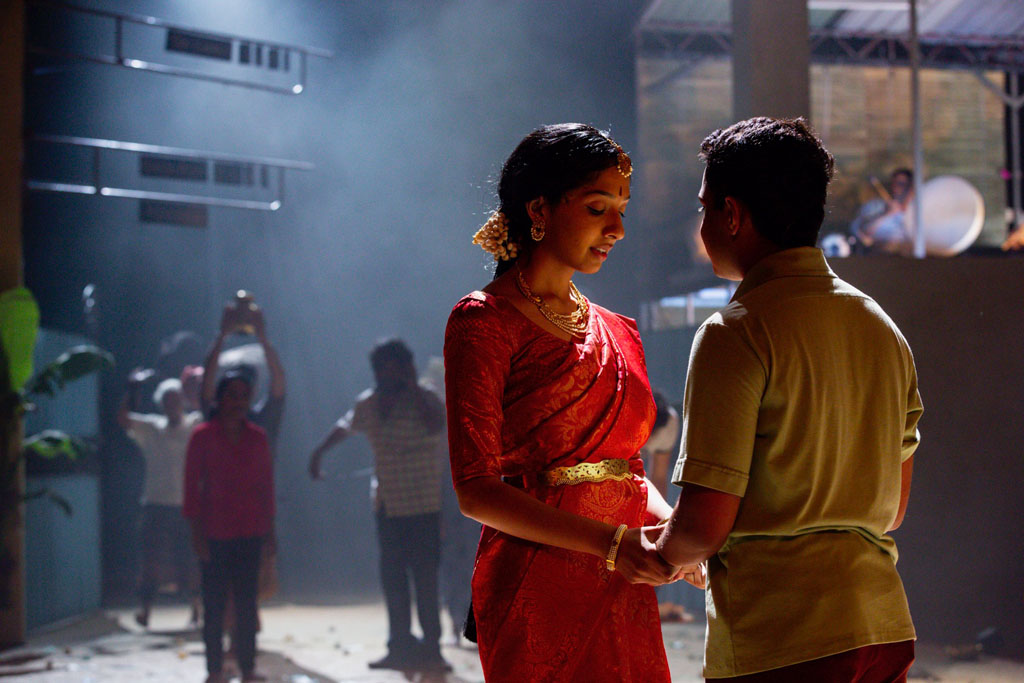
“I’m working on a show with Opera Australia this year (The Merry Widow) and there are 150 moving lights in the rig. When I first started, there were none, every fixture was focused by hand and adjusted between performances. Now, much of that is automated, with moving lights and follow-spot systems tracking performers across the stage. The craft has evolved, but the intension behind it remains the same.”
The future remains bright for Cooper with upcoming productions including The River and Doubt for Sydney Theatre Company, The Merry Widow for Opera Australia, Engine for Sydney Dance Company, Horizon for the Australian Chamber Orchestra and a new staging of The Nutcracker for Queensland Ballet. He continues to shape the invisible art that guides an audience’s experience, often without them ever noticing.
For more reviews and artist insights, head to Bacchus at the Theatre – https://bacchusatthetheatre.com/
Subscribe
Published monthly since 1991, our famous AV industry magazine is free for download or pay for print. Subscribers also receive CX News, our free weekly email with the latest industry news and jobs.
Recent posts