BACKSTAGE
24 Nov 2025
Navigating the Medi-Go-Round
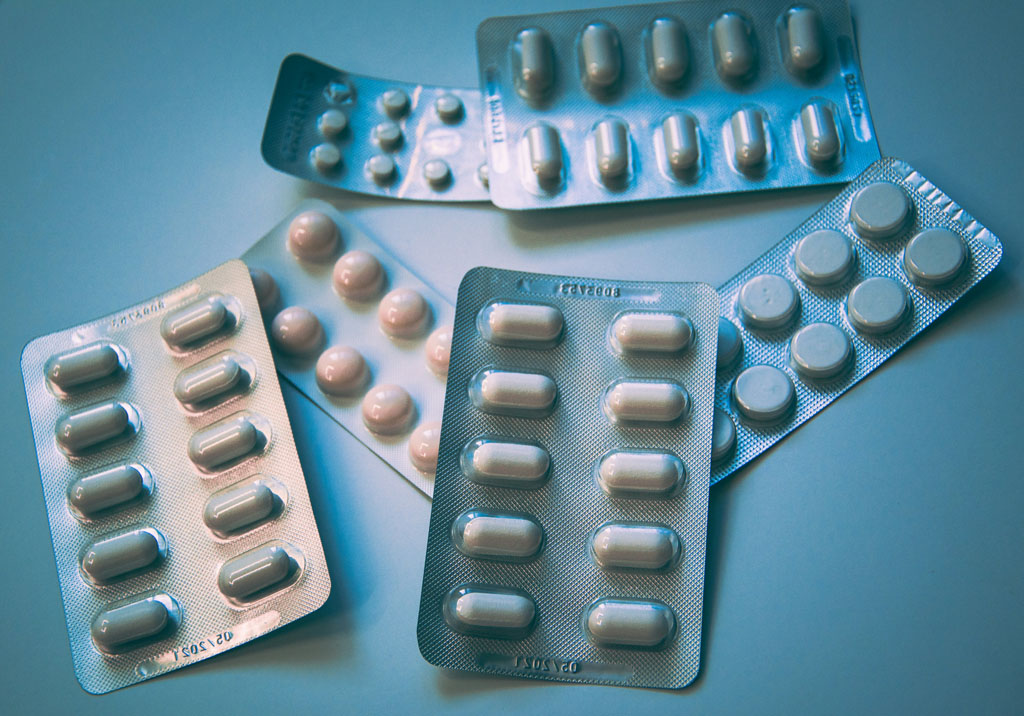
Subscribe to CX E-News
Disability is not inability
A sniffle, a cough, a scrape or a bump – these maladies we all face at some time or another. Viruses and bacteria are all around the natural world. Most we avoid but sometimes our immune systems get circumvented, and we catch a bug. Then there are physical injuries like flesh wounds, strained muscles, broken bones or worse.
Gigs and events are inherently risky endeavours. They are analogous to temporary construction sites, with all of the dangers implicit in building. Add in the fatigue from crazy long hours sustained over days, weeks and months, the mental and emotional toll of never being home and separated from loved ones, maybe even some substance issues, and it’s a hazard waiting to happen.
With all those intrinsic perils, it’s only a matter of time before you get injured, come down sick or just lose the plot. Ideally, not all at once.
Triage and diagnosis
There are ways to get through your malaise.
First step is ascertaining how serious it is and how seriously you need to take it. This is called ‘triage’ in the medical world but basically means assessing the urgency of your ailment and prioritising treatment options towards the best outcome.
Dr Google is both your friend and foe. While it can provide some decent answers if you ask the right questions, it is also risky to then assume you have condition XYZ because a few symptoms match up. From there, it’s a slippery slope into hypochondria and unnecessary angst.
There’s a reason why doctors have such lengthy and rigorous training. It’s because they have to understand so many different biologies, pharmacies, and conditions, then use that knowledge to make an instant judgement on 3-5 minutes of consultation. I’d rather trust that process than a tech titan caring more for clicks than facts.
So, stop being a hero and go to the docs before you end up in an ambulance.
Why does it hurt when I pee?
Correct diagnosis relies on accurate representation of symptoms. Just as it really helps to get a little more detail than ‘my monitors sound like crap’ from the performer, it really aids the medicos if you can describe what you are experiencing, both clearly and concisely.
Understanding the lingo helps in dealing with any industry. Now that managing my health, medications and their contra-indications is my full-time job, it is little surprise that I am getting good at it. But the pay is lousy (i.e. negative), so I keep scribbling for you to cover my bills.
What’s your pain level (on a scale of 1 to 10)?
This question gets asked by every practitioner for every separate affliction. I’ve heard it so many times that I feel like replying ‘this one goes up to 11′. It is a fair question, but I personally perceive pain logarithmically and the system expects a linear answer. Pain is such a subjective matter anyway. Two people can have the exact same injury and completely different pain responses. Smart science nerds are still trying to understand exactly how this proprioceptive loop plays out so differently for some people.
Neurologically, it’s all about the relationship between nerves and the brain. This is relatively easy to cater for with injury, whether traumatic or not, but that relationship gets muddied when the pain subsists and becomes chronic. The body builds coping mechanisms to protect the affected area/organ and the mind accepts this as the new normal, even when initial symptoms may have subsided.
This is where being clear and concise helps as a patient. Patience as the medicos go through their routines is another virtue. Do it often enough and you already know what question is coming next and prepare your answer in advance.
Getting specialist help
My rheumatologist has a laser sharp mind and can cut through any ramblings or inconsistencies in what I report. She is also the most efficient and diligent medical specialist that I have ever encountered. She often sees answers to problems outside of her scope (my aching joints) well before the relevant specialists do. She sends follow up reports to me and my GP within 24 hours of consultation. Unprompted. Most other consultants give you little but a bill, and certainly never follow up unless explicitly requested to.
Thank you, Sharon.
If all medicos were this good, my job as a patient would be so very much easier. With a good team of professionals taking care of the ‘keeping my body ticking’ aspects, I could focus more on dealing with the mental and emotional aspects of chronic ailments.
When you get a good doc, do your best to hang on to them.
Preventative Maintenance
You can do the ‘body as temple’ thing. There are a lot of benefits to this approach, not the least being feeling good on a daily basis. Eating well, getting regular exercise and not being too stressed are all good aims.
But, as we age and our once bullet proof bodies fail, it’s still worth getting a regular checkup, no matter how well you look after yourself. Just like an oil change at 30,000km on your car, you should test your poo at 50 years of age. If you’re also a bloke, you should get a PSA (prostate specific antigen) blood test to check for prostate cancer – no dropping pants and bending over required anymore! Catching a treatable anomaly early is far preferable to long and painful sessions in an oncology ward.
Our publicly available medical system is not perfect. but it is a whole lot better than in most countries. That doesn’t always mean the absolute best or most timely treatments though.
If you can afford it, private health insurance sure has benefits. I cannot afford it and have been rejected by several surgical specialists who will not touch anyone without private cover (regardless of their ability to pay). Instead, I languish forever on public waiting lists.
Organisation
One of the biggest chores as a permanent patient is managing appointments and medications. Families, carers, doctors, pharmacists, pathologists, nurses and specialists all need scheduling. Transport also needs arranging and scheduling. Without centralising this information somewhere accessible to all who need it, this can be a real grind. Our household calendar gets regular updates for this reason.
Webster packs can help with organising medications. These work OK when the scripts are regular but a nightmare when dosages and/or treatments are often changing. I have my own method of three bags: one for a.m. meds, one for p.m. meds and one for pills both morn and eve, as well as pro re nata (unscheduled) meds.
I’m a spreadsheet nerd at the best of times, and my meds list is no different. It assists immensely to keep track of dosage, frequency and scripts. Many entrust this to a pharmacy, but I’ve had mixed results with that, so opt to manage it myself. I try to keep a current printed copy on hand as well.
Lessons from the sick bed
You can’t change history, just learn from it. You can influence the future, but only by your actions in the present. In that presence, a combination of hope, patience and persistence is a valuable ally in all of our circumstances. It is particularly poignant when confronted with life changing health issues. A sense of humour does help to lessen the emotional injury.
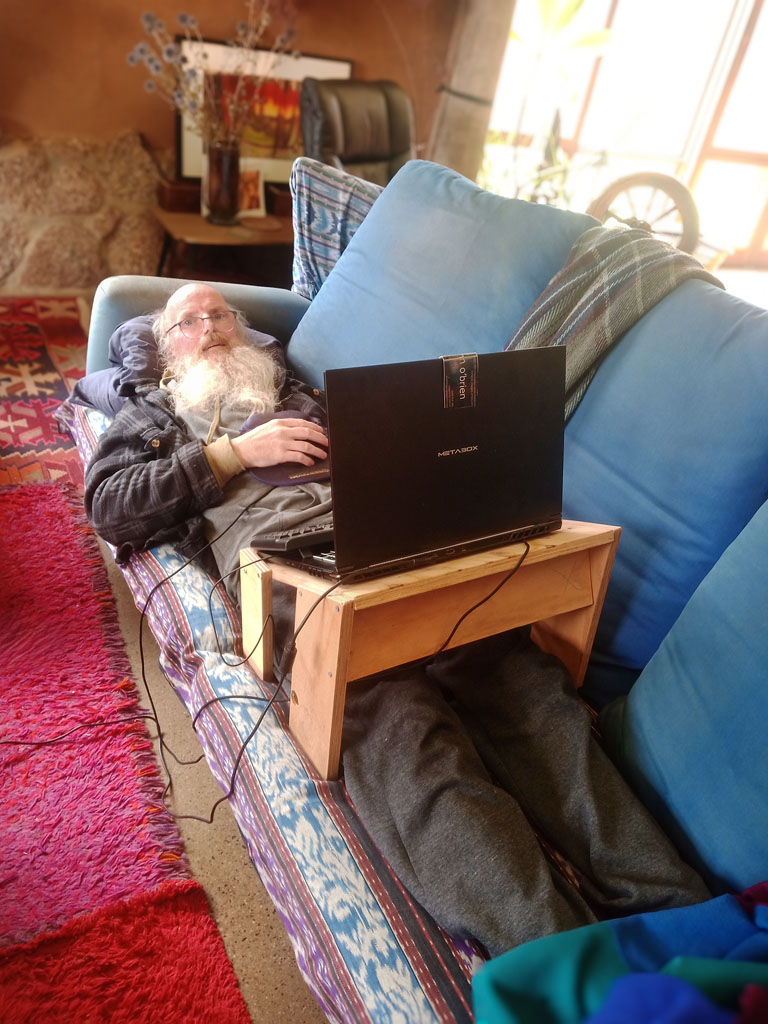
Next time you are poorly, try and see your sorry self from the outside and do your best to laugh at that. It works wonders for healing.
Subscribe
Published monthly since 1991, our famous AV industry magazine is free for download or pay for print. Subscribers also receive CX News, our free weekly email with the latest industry news and jobs.



Latest jobs