BACKSTAGE
30 Mar 2026
Stagecraft, The Artform
Subscribe to CX E-News
Ugg and Dugg swept a patch in the dirt. Ugg transcribed an arc in the ground with a sharp stick. On one side, an audience; on the other, a performance space. Dugg stood tall and made the first moves of re-enacting today’s hunt. They had spears for props, feathers and leaves for costumes and a hide on a stick for the quarry.
Viewers were transfixed as Ugg, Dugg, and assistant Zog used that space to convey not just the mechanical motions of that day’s adventure, but the waiting, the tension, the careful pacing and placement of each step, culminating in the almighty rush of the final chase. A performance highlighting success for the hunters and awe from the gallery.
These cave-dwelling proto-humans had built a stage from scratch, using what they could, to define that area and using craft to add to the drama of their story.
Back to the future
Millenia later, a dishevelled black clad roadie, eyes crusty from lack of sleep, guts gurgling from rubbish road food and cheap coffee, pulls the truck into the venue lot. The rest of the crew start rolling up, looking no more salubrious but ready for action anyway.
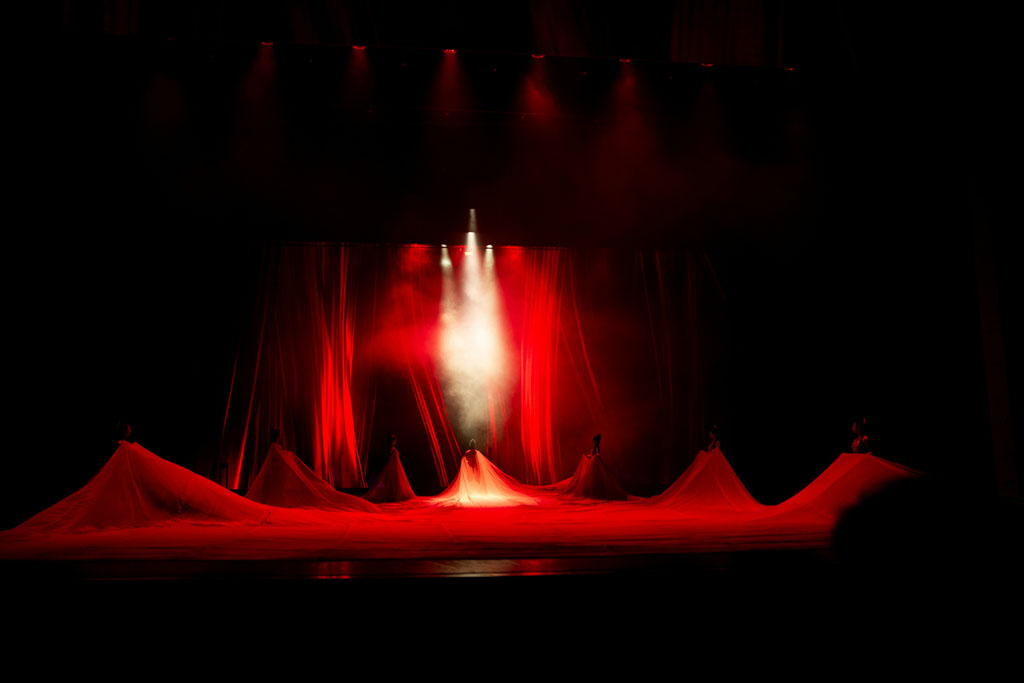
Cracking the doors to the club, they wander into the gloom and quickly size up the space. Where is the main stage area, and will the act fit? If so, is the stage robust enough? No on either count – then dig the risers from the truck and start cobbling together a space to play for the day. Gaffa tape, tek screws and even 6″ nails are your friends here. Pallets, roadcases, random crap from the venue junk heap – if they fit and will be strong enough, they are all valid additions to the construction of a sturdy performance platform.
Around this, each tech/dept looks at where they can hang/stack the PA; whether it’s worth a full lightshow today or a stripped-down version to deal with lack of height or floor space? Power – how much and where? Monitor land VS stage techs – who gets L or R? FoH – where is safe, with good sound and sight lines?
Good venues have all this sorted in advance, leaving crew to easily and efficiently go through their normal setup routines. That’s when they have the time and energy to execute the full breadth of their stagecraft expertise.


What is stagecraft?
Many people see stagecraft as an umbrella term for the technical aspects of producing an entertainment event. Scenery, wardrobe, props and makeup predate lighting, sound and video by eras, but all are regularly defined as part of stagecraft. As such, these are rightly considered trades or crafts.
I see it is as much more than just a collection of technical disciplines. To me, true stagecraft is an artform. Like all arts, basic technique and procedure need practice before competency. It then takes much longer to achieve mastery, but when this prowess shines it is a joy to watch.
I had the great pleasure of touring Australia with Peter Gabriel in 1994, and he spent hours every day refining all sorts of aspects of the show. One day, a tweak to a musical arrangement; the next day moving a floor light by inches at a time until it was ‘just so’. A perfectionist, for sure, but it showed in the slickness of the final product. Even 10 months into a tour, he was still polishing the gem on a daily basis.
Elevated stagecraft is found in attention to detail, in taking great pride in what you do, and care with all your actions as you practice your craft. If you make everything you do about enhancing the show, you become an integral part of it.
Knowing your craft intimately, you can anticipate many problems before they arise. Some you can’t, but stagecraft mastery will help you to make quick decisions and solve issues efficiently when they do occur. Ideally, doing so in a way that the audience is either none the wiser, or thinks it’s a part of the act.
Check the fine print
After testing all lines, cleaning up the cables doesn’t take long and can save you crucial seconds when something goes wrong during showtime.
Taking a few moments to tram-track all exposed lines, coil excess cable neatly, cover and tape trip hazards makes your work look professional. It also saves valuable seconds during an emergency troubleshoot.
Another critical factor is knowing what goes where. You will know this because you did label EVERYTHING way before showtime. Right? Any time saved up front by not doing this, now gets multiplied and amplified just when stress levels are at their peak.
Stagecraft means:
Audio has to sound good, lights and video need to look good, and instruments need to be in tune, but it is the physical set that audiences first experience. The room and stage environment establish the vibe as soon as doors are thrown open. It doesn’t take much to pull riser dressings sharp and tight or throw a drape over some visual eyesore. Those little 1%-ers all add up.
Apart from basic aesthetics, the main reason to hide or obfuscate the mechanics behind a show is to maintain an illusion for the audience. Not every show has elaborate kabuki drops or grand reveals but there is art in hiding special effects until they are needed. Disguising distracting mechanics also keeps audience focus on the act, not the strings being pulled behind it.
Performers get the sneak peek behind the curtain before the punters, but it is their domain after all. Good tech crew understand this and make every effort to know exactly how their artists like their performance space laid out. The top tier crew go one further, endlessly finding ways to improve on this.
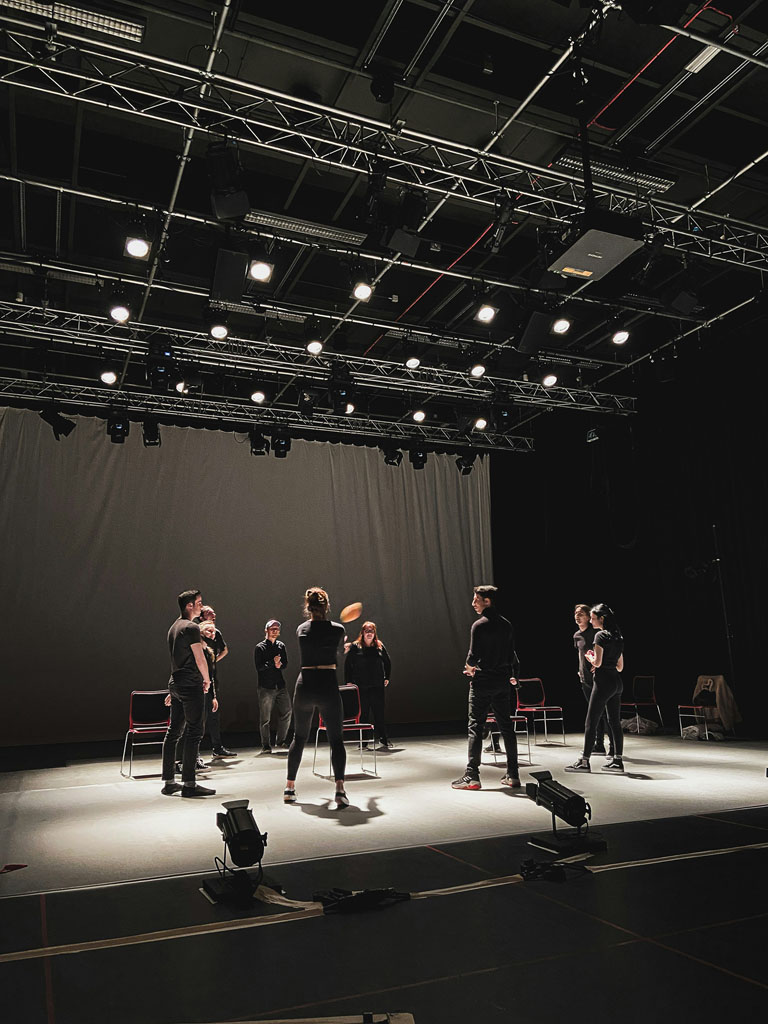
An authentic sign of stagecraft success is having the artist wander in at soundcheck and go “Wow, that looks really sharp. I can feel a good night coming on.” This one happened to me at the Ettamogah Pub (also ’90s). I can’t remember how I ended up there, or whose production employed me to run the lights and set the stage, but I vividly remember those words from Matt Moffit (solo or Matt Finish – I remember not) when he walked into the room.
After the show, he sought me out to again complement my level of proficiency. Something along the lines of: “Your control of stagecraft is sublime. Thank you for taking the care to do things so well.” Coming from someone who also showed obvious care in honing his craft, this was high praise indeed.
Matt passed suddenly in 2003. We only did the one gig together and it was a mutual joy. I don’t know what he would have thought of the prehistoric analogies above, but I’m sure he would have appreciated their dedication to stagecraft.
The size of the stage is unimportant compared to the attitude of an artist truly in control of their craft.
Subscribe
Published monthly since 1991, our famous AV industry magazine is free for download or pay for print. Subscribers also receive CX News, our free weekly email with the latest industry news and jobs.
Recent posts



Latest jobs