BOOK REVIEW
22 May 2026
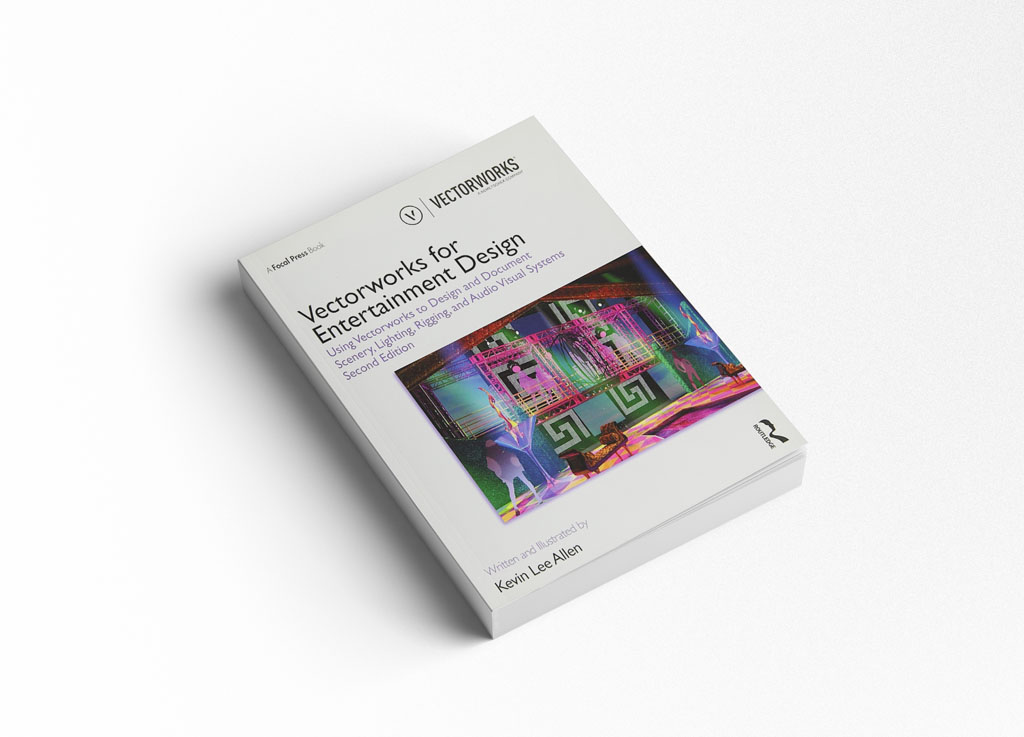
Vectorworks For Entertainment Design
Subscribe to CX E-News
Using Vectorworks to Design and Document Scenery, Lighting, Rigging and Audio Visual Systems
About the book
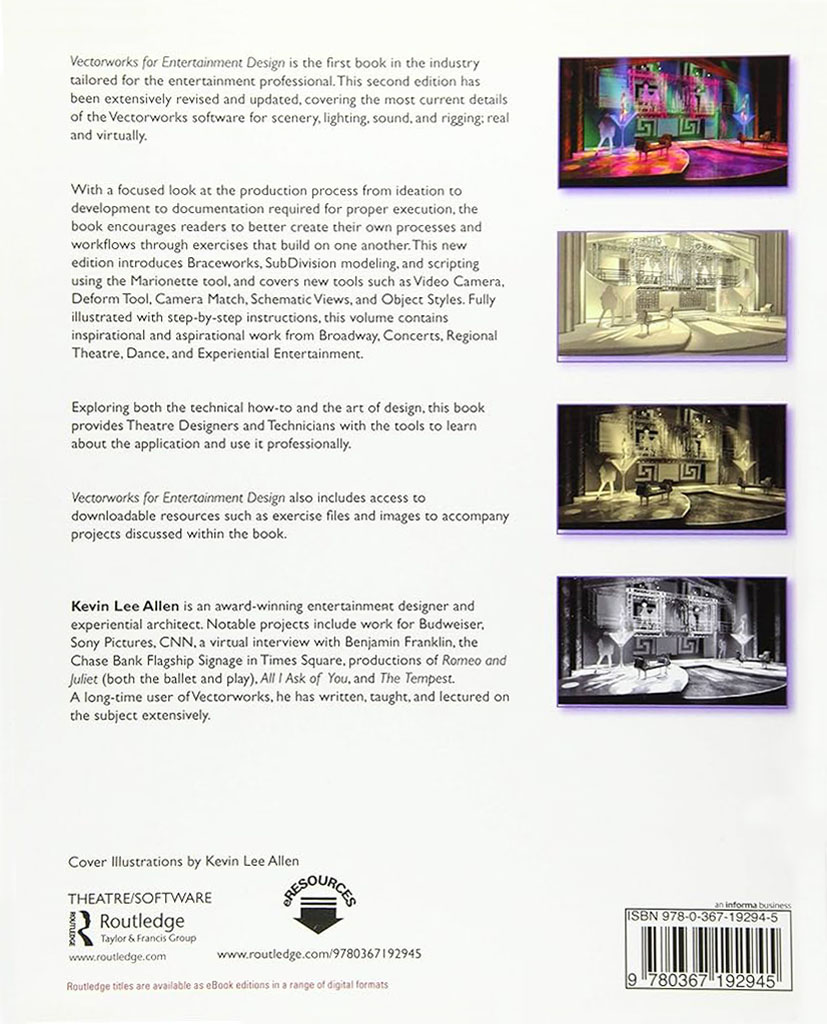
Vectorworks for Entertainment Design covers the complete design process for using Vectorworks within the entertainment industry, from developing and visualising ideas through to refining them for execution. This second edition has been extensively revised and updated, incorporating the most current features of Vectorworks software across scenery, lighting, sound, and rigging – both physical and virtual.
Who is the book for?
Vectorworks for Entertainment Design is suited to anyone looking to become involved – or who is already involved – in the technical pre-planning of live events. Vectorworks is the industry-standard 3D technical drawing platform in this field, and developing proficiency with it is a valuable skill that can open doors across the industry.
The book is equally useful for existing Vectorworks users who want to consolidate or refine their current skill set.
Who might benefit from reading this book?
Production Managers, Technical Managers, Technical Directors, Lighting Designers, Set Designers, and Logistics Coordinators would all benefit – essentially anyone involved in pre-production.
Students, in particular, will find this resource valuable, as Vectorworks is increasingly considered a core competency within the industry.
It will also appeal to users familiar with AutoCAD or similar software who are looking to transition to Vectorworks. For those with an AutoCAD background, the shift is relatively straightforward, requiring mainly an understanding of a different interface and terminology.
Who is this book not for?
This book is not aimed at show operators or setup crew – that is clear. Most Vectorworks work is completed – and ideally finalised – prior to the event bump-in, so it offers limited value to those working exclusively on-site during delivery.
The focus is on creating and drafting within Vectorworks, rather than interpreting or working from completed plans.
What I liked about the book
Vectorworks for Entertainment Design is clearly written and easy to follow. While prior experience with Vectorworks was helpful, I still gained a great deal from the book and found my overall proficiency improved by the end.
Without doubt, the book is best approached with Vectorworks software open alongside you. Moving between the book and the software to test concepts in real time proved to be a very effective way to absorb the material. Without this interactive approach, the content can feel quite dense.
I also appreciated the book’s clear focus on entertainment design. Vectorworks has a wide range of applications – including construction, landscaping, and interior design – but those areas are deliberately excluded. That focus strengthens this book immensely; what it omits is just as valuable as what it includes.
How I think the book could have been better
The inclusion of practical exercises throughout is a strong point. However, Vectorworks for Entertainment Design might have benefited from a single, cohesive project – such as a full stage build incorporating truss, motors, lighting, and audio – developed progressively across chapters.
Vectorworks is a complex platform, and it’s easy to lose direction when exploring its capabilities. There were a few areas where I would have appreciated greater depth, while others felt slightly overemphasised. That said, achieving the right balance in a program of this scope is inherently challenging.
About the Author
Kevin Lee Allen is a Scenic and Lighting Designer and an EMMY Award winner who works in live theatre, television, film, special events, exhibitions and themed architecture.
Recent projects include; the Montclair Center Stage, Chase Bank Flagship Signage in Times Square, the Univision 41 Weather Center, Benjamin Franklin’s Ghost and Democracy Now Studios.
Verdict
You won’t become a fully competent Vectorworks user from reading a single book, but Vectorworks for Entertainment Design will significantly shorten the learning curve. It’s a strong resource and a worthwhile investment.
Ratings
Readability: 7/10 – This is not a book to be read passively, nor is it intended to be. I worked through it over several sessions with the Vectorworks software open, moving between the two as required. This approach felt essential to properly engage with the material.
The writing is clear and accessible, particularly given the complexity of the subject matter, and it avoids the dryness of a traditional instruction manual.
One minor note: the glossy paper stock was not to my personal preference. It does not impact the rating, but it is worth mentioning.
Supporting materials: 7/10 – The screenshots and visual references throughout are highly effective. They serve not only as guidance but also as confirmation that you are progressing correctly within the software. Without them, the material would be considerably more difficult to follow.
Relevance: 7/10 – Although published in 2020 and now somewhat dated relative to Vectorworks 2026, the book remains highly relevant. Most updates since publication have been incremental rather than fundamental changes.
Vectorworks is an intuitive platform once the initial learning curve is overcome, and this book functions both as a structured introduction and a practical reference. Despite the prevalence of online resources, there is still clear value in a well-structured physical guide.
Usefulness: 9/10 – Incredibly useful. If your current or intended role requires Vectorworks, this book is a valuable addition to your toolkit.
It’s not a complete solution for self-training – very few books are – but it provides a strong foundation. The Vectorworks forum is a useful complementary resource too – active, well-informed, and with many users worldwide, it contains solutions to most common issues.
Value for money: 9/10 – I paid a tick over $80 for this book. If applied effectively, the knowledge it provides could easily translate into work worth far more than that per hour!
It represents excellent value for money and should be viewed as an investment in your career. The return on that investment could be many times the initial cost. From that perspective, it’s a total bargain!
Cost $82.68
Total: 39/50: 4 Stars

Subscribe
Published monthly since 1991, our famous AV industry magazine is free for download or pay for print. Subscribers also receive CX News, our free weekly email with the latest industry news and jobs.
Recent posts