THE GAFFA TAPES
26 Aug 2025
ECHOES FROM ICONIC CONCERT VENUES
Subscribe to CX E-News
Snippets from the archives of a bygone era
The Bankstown Capital Ballroom was a 25-minute walk from my home. It was the venue where, as a youth in 1965, I first saw bands like Billy Thorpe and the Aztecs and Ray Brown and the Whispers. It was an era when I’d decided to leave the Brylcreem off my hair and adopt the fashion of stovepipe pants, tab collar shirts with cufflinks, and pointed-toe shoes. Events at the Capital weren’t concerts but rather dances, where the girls sat around the perimeter on one side of the room with the guys on the other, and you had to awkwardly walk across the floor to ask a girl to dance; if they declined, there was that embarrassing walk of shame back across the room.
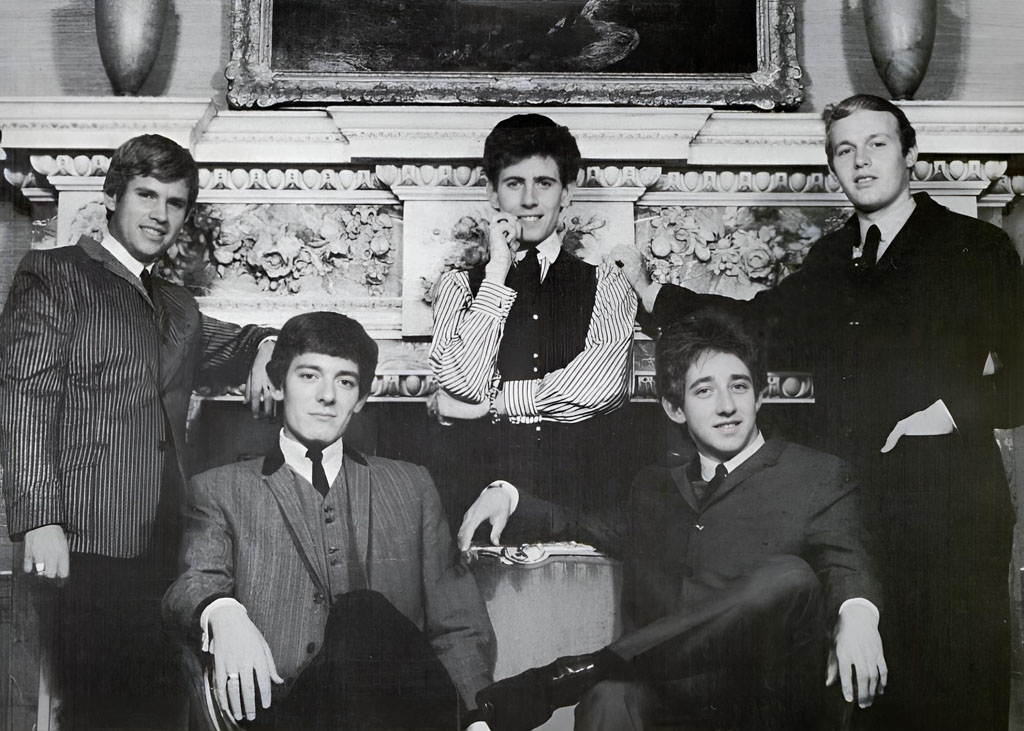
It would not be until January 1970 that I would see my first international act, The Hollies, in concert at Chequers nightclub. Chequers was Sydney’s premier nightclub, featuring overseas acts, including Shirley Bassey, Liza Minnelli, Dionne Warwick, and Matt Monroe, and it was also a haunt for famous and notorious clientele, including underworld figures. I was working shifts as a freezer hand at the time in temperatures of 20 degrees below zero; the job paid good money, so I was able to splurge.
Somehow, my girlfriend and I landed a table near to the stage with an uninterrupted view of the Hollies. This was just over a year after Graham Nash left the band, and they were now doing a cabaret act complete with comedy skits; however, they didn’t disappoint and performed their hits with chemically sharpened harmonies. The drinks were a pay-as-you-go deal; however, the waitress didn’t appreciate my 40-cent tip for the wine, and she tipped it off the saucer back onto our table. Considering that Chequers was named by Variety Magazine at the time as one of the top 10 nightclubs in the world and was known for attracting both famous and underworld figures, it was probably beneath the waitress’ dignity to accept a tip, which was analogous to the cost of a pack of cigarettes.
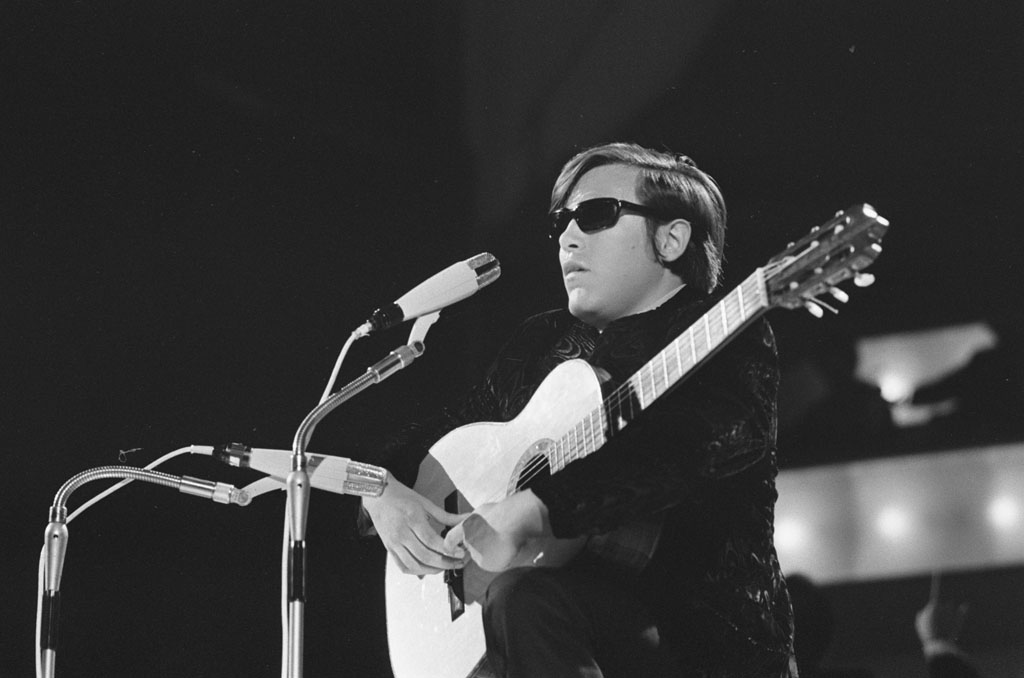
Some months later, I was again digging deep to see José Feliciano at the Chevron Hotel’s plush Silver Spade Room, Potts Point, Sydney. I had to borrow a suit coat to comply with the dress regulations, and, as I was in-between reliable vehicles, I forked out $120 for a blue, paint-faded 1959 Ford Prefect with a blown head gasket, which made it sound like a putt-putt boat engine. Australia’s newly purchased F-111 fighter jets were constantly in the news in those days, as was the Vietnam War and conscription. So, I wired a toy plastic fighter jet to the bonnet of my tin lizzy as a satirical mascot, and the mockery was highlighted when, on arrival at the Chevron Hotel, I discovered that it was valet parking. Fortunately, the valet treated me with the same courtesy he showed to the Mercedes, Jaguar, and BMW customers.
Inside the Silver Spade, we were seated uncomfortably at a bench table with a horde of strangers, which brought to mind pigs at a trough. When the waiter brought the wine, I was annoyed that he had scattered all my change over the drinks tray in the hope that I would leave all or part as a tip. I’d had enough of tipping after the Chequers incident, so I just scooped up all the change. He sarcastically bowed, saying, “Thank you, sir,” and he repeated this gesture three times as he exited the table. Those tipping scars remain today, and if you were to add up all the tips I’ve left since then, you wouldn’t have the equivalent of the price I paid for the 1959 Ford Prefect.
José Feliciano is one of the greatest entertainers I have ever seen; his soulful voice and brilliant guitar playing captivated the entire Silver Spade audience. Exiting the Hilton after the show, I approached the parking valet with my parking ticket in hand. “Could you get my little blue F-111, please?” The valet didn’t bother to ask for the ticket, nor did he wait for a tip when he returned the vehicle.
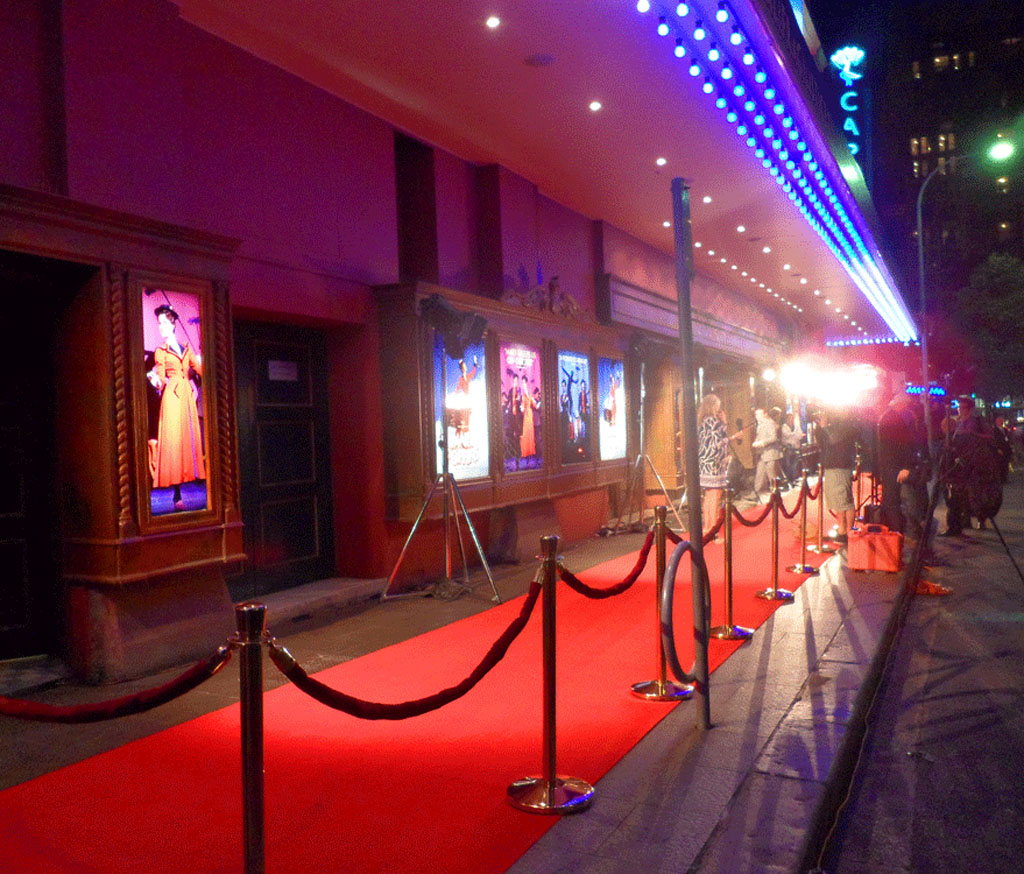
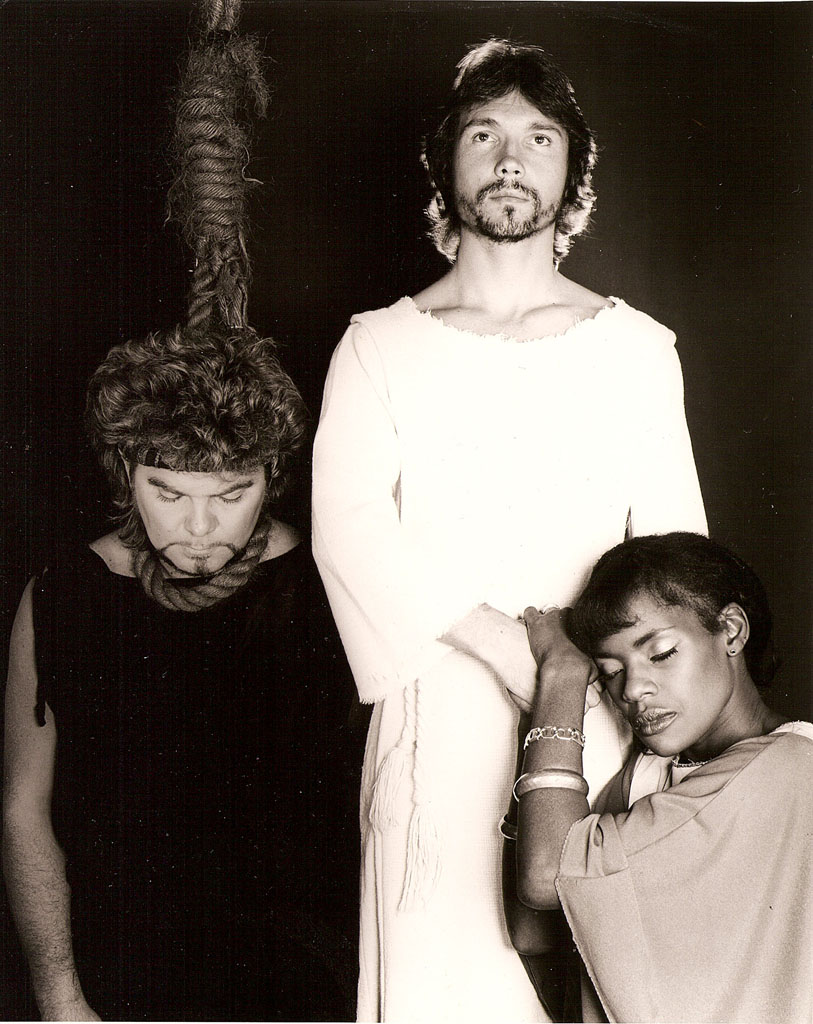
The Capitol Theatre, Sydney, was the venue for the rock opera Jesus Christ Superstar. A Qantas employee, who lived in my girlfriend’s apartment block, couldn’t dispense with all the tickets he had purchased for a large party booking. He was selling off what he thought were the worst seats in the house to anyone who’d buy them, and he inadvertently thought that the front row seats in a theatre were akin to front stalls at the cinema. The year was 1973, and 19-year-old Marcia Hines was the first black woman to play Mary Magdalene in the epic production, with 22-year-old Jon English playing Judas. We had front row seats where we sat enshrouded in theatrical fog as the curtains opened. When Marcia Hines sang ‘I Don’t Know How To Love Him’, I was mesmerised, and I had a close-up view of a tear that rolled down her cheek. When Jon English flung the purse containing the thirty pieces of silver that he betrayed Jesus for, two of them (aluminium slugs) landed in my lap.
Sydney’s historic venue, the Hordern Pavilion, turned 100 years old last year, and although not noted in the 70s for its opulence or comfort, it hosted some of the world’s most iconic bands. I first saw Chicago play there in 1972, just six years before legendary guitarist Terry Kath pointed a 9mm pistol to his head as a stunt and, not realising that despite the empty magazine there was a round in the chamber, pulled the trigger, which ended his life.
In November 1975, the Hordern Pavilion hosted Paul McCartney and Wings, and I queued from 4:30 am outside the venue to secure tickets that were close to the stage. However, the seats, which were to the performer’s stage-left, were behind the huge speaker stacks, which completely blocked all vision of the stage. I rose to my feet and said to my mate, “We’re not sitting here!” I didn’t realise how loud my voice must have resonated, and the whole audience section arose collectively and followed us down to the pit, where, after a short discussion with security, we were allowed to stand.
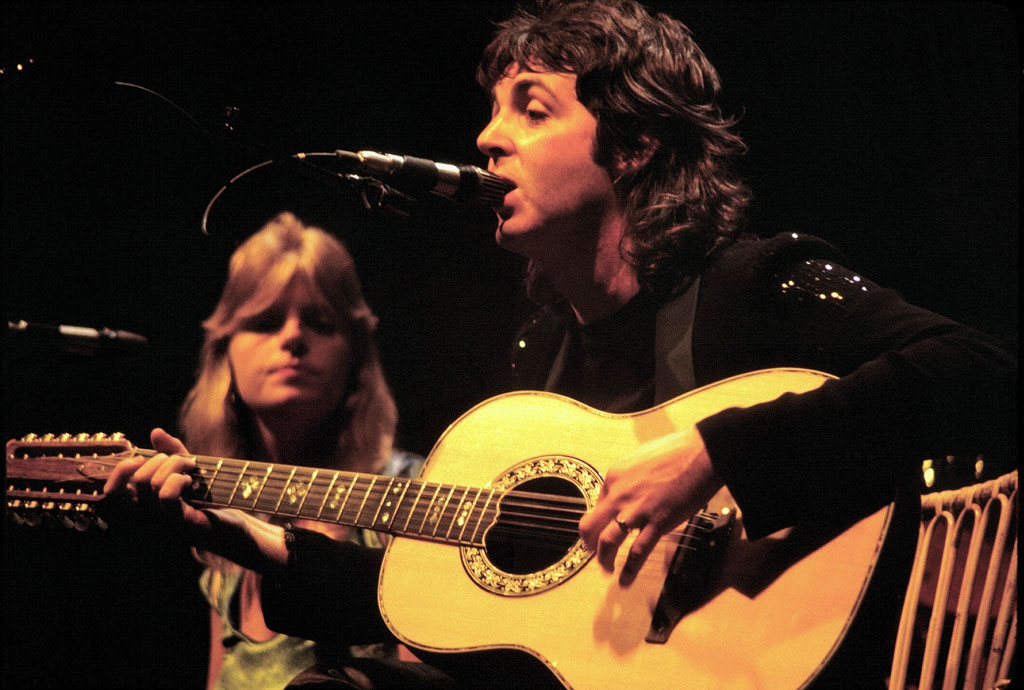
When Paul and Linda McCartney and Denny Laine came down to the edge of the stage for their acoustic performance, we were only metres away, which was a magical experience.
In April 1976, I attended Queen’s concert at the Hordern Pavilion. Freddy Mercury got the lion’s share of Queen’s press in those days, but for me, guitarist Brian May and drummer Roger Meddows Taylor were the standouts. Of course, Freddie was good, but he didn’t hit the high notes on the night.
Some seven months later, in November 1976, I saw Ritchie Blackmore’s Rainbow at the same venue.
The line-up was Ritchie Blackmore (guitar), Ronnie James Dio (vocals), Jimmy Bain (bass), Tony Carey (keyboards), and Cozy Powell (drums). I was a massive Ritchie Blackmore fan from the Deep Purple days, and he didn’t disappoint. Ronnie James Dio, who later fronted for Black Sabbath (1979–1982 and 1991–1992), still firmly remains as my favourite metal singer of all time. During the encore, Blackmore performed his guitar-smashing antics, which included setting fire to his guitar and whirling it wildly before sending it up to the roof of the audience section of the Pavilion, where it pushed through a ceiling tile and didn’t come down.
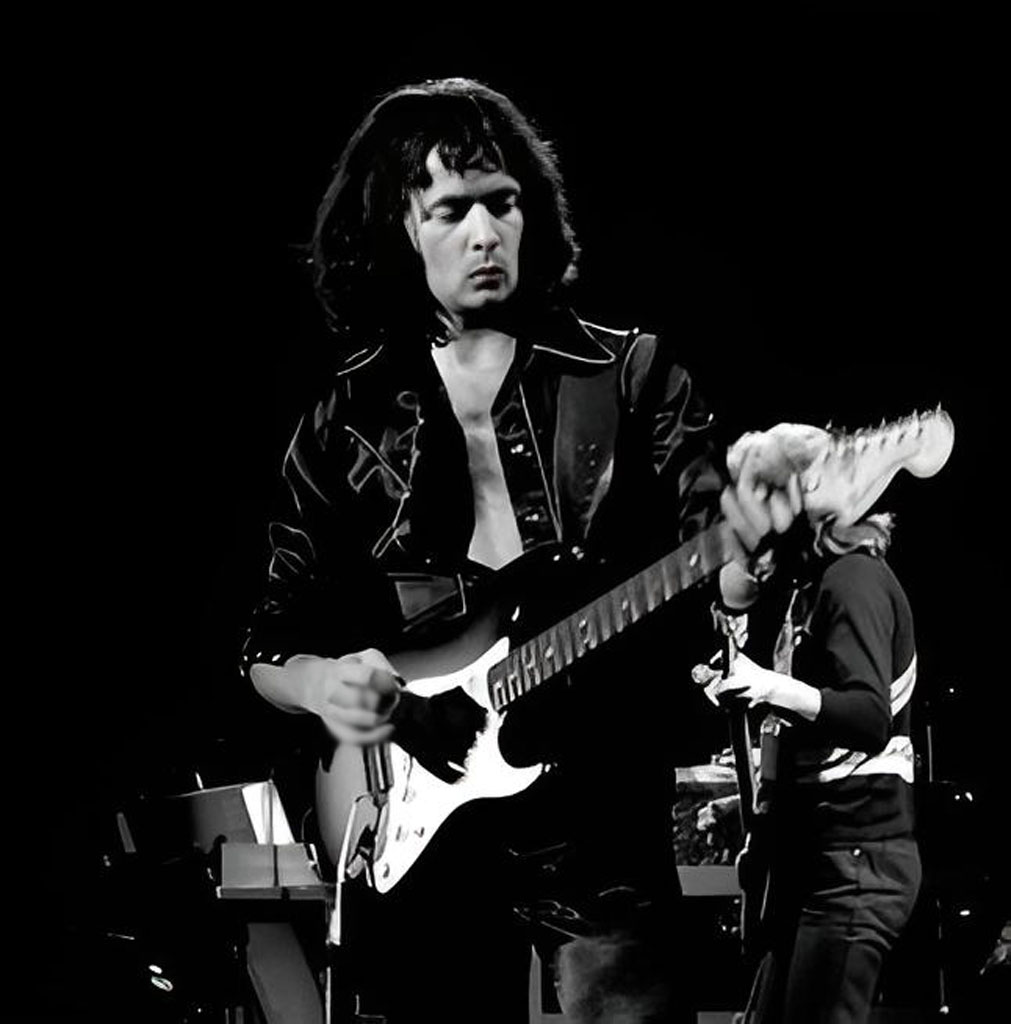
Rainbow did two consecutive concerts at the Hordern Pavilion, and I attended both. However, at the second concert, Blackmore didn’t return for an encore, nor did he set fire to his guitar, blaming the petrol strike in NSW for his inability to get fuel. I was a huge metal fan at the time, and my big three were Deep Purple, Led Zeppelin, and Black Sabbath. After seeing Rainbow, I distinctly remember thinking, “It just can’t get any better than this,” and in my opinion, it didn’t!
Main Pic: The Hollies – Imperial Records (Public domain, Wikimedia Commons)
Subscribe
Published monthly since 1991, our famous AV industry magazine is free for download or pay for print. Subscribers also receive CX News, our free weekly email with the latest industry news and jobs.
Recent posts